

ကူးယူချက် 🔗
WEBVTT
00:07.085 --> 00:08.327
[SPEAKER_02]: Axis Mooney.
00:12.713 --> 00:17.961
[SPEAKER_02]: One million neighbors is brought to you by a party, the Asian Pacific American Religions Research Initiative.
00:18.722 --> 00:27.355
[SPEAKER_02]: It's part of the Under God's Project funded by the Henry loose foundation, and the AAPI stories of faith in life project funded by the Lillian Downman Incorporated.
00:27.956 --> 00:30.780
[SPEAKER_11]: Any time, I entered conversations where I could
00:30.946 --> 00:40.997
[SPEAKER_11]: had heard them, their names taken in vain, the name of the people being taken in vain, by people who didn't understand who they were, and what they had done for this country.
00:42.459 --> 00:44.961
[SPEAKER_11]: In terms of giving their lives when they flew with our fighters.
00:45.983 --> 00:53.891
[SPEAKER_14]: Mary Mergenthall, a Lutheran resettlement volunteer in St. Paul, witnessed public hostility unfairly directed at refugees.
00:54.772 --> 01:00.919
[SPEAKER_14]: It frustrated her, especially since these refugees
01:02.519 --> 01:15.162
[SPEAKER_14]: amid these conflicts, churches found themselves on the front lines of anti-refugee battles, because they were the ones who played a key role in bringing refugees to the United States and supporting them in their resettlement.
01:15.983 --> 01:23.717
[SPEAKER_14]: The story of Hayo Watha Valley Farm Cooperative offers one example of how churches confronted the opponents to refugees.
01:25.081 --> 01:39.840
[SPEAKER_14]: Church World Service, a resettlement agency associated with the National Council of Churches, decided to establish a farm, where Southeast Asian refugees could learn valuable agricultural job skills, like how to raise hogs and specialty crops.
01:40.882 --> 01:54.700
[SPEAKER_14]: An Episcopalian priest named Reverend Joseph Minis offered some of his land near Winona, to create the high-wath of Valley Farm Cooperative, and around a dozen monk families planned
01:56.975 --> 01:59.118
[SPEAKER_14]: local residents protested the farm.
01:59.959 --> 02:12.277
[SPEAKER_14]: In February, March 1983, hundreds of people from around the region crowded into public meetings to voice their concerns about the project and their fears about the arrival of Mung Refugees.
02:13.339 --> 02:19.267
[SPEAKER_14]: Opponents of the high-oath of Valley Farm Cooperative said that they were not motivated by racial animists.
02:19.908 --> 02:25.176
[SPEAKER_14]: However, the local press described their protests
02:25.713 --> 02:31.044
[SPEAKER_14]: One newspaper quoted a farmer in Winona who was pretty blunt about what he thought about Mung Refugees.
02:32.407 --> 02:35.113
[SPEAKER_14]: The question is not whether we want them, he said.
02:35.794 --> 02:46.557
[SPEAKER_14]: The question is just very simple, we don't want them, and if that's going to get me to the gates of hell, I'll go, because I'm going to be with a lot of nice, good people.
02:48.072 --> 02:53.941
[SPEAKER_14]:
Load full transcript
opponents to the farming project even targeted their anger at the religious groups supporting refugees.
02:54.922 --> 03:01.572
[SPEAKER_14]: One resident complained to the Minneapolis Star Tribune that there's too much government and churches backing these things up.
03:03.875 --> 03:13.810
[SPEAKER_14]: But churches and community members who backed the farm project face down their opposition and rallied the public to support the refugees coming to Winona.
03:14.448 --> 03:26.653
[SPEAKER_14]: at one event at a Homer United Methodist Church, 30 opponents of the farm picketed outside, but a whopping 450 people gathered inside the church to hear the plans for the farm.
03:27.736 --> 03:33.688
[SPEAKER_14]: The vast majority of these attendees supported the farm and greeted the project's leaders with applause.
03:34.698 --> 03:47.057
[SPEAKER_14]: Reverend John Darlington, a Methodist pastor in Winona, emphasized that the idea for the project came from among refugees themselves, who were eager to develop skills to build careers in agriculture.
03:48.139 --> 03:58.815
[SPEAKER_14]: And Reverend Minnes, the Episcopalian priest, who planned to sell a portion of his land to church world service for the farm cooperative, framed the enterprise in religious terms.
03:59.200 --> 04:08.955
[SPEAKER_14]: In front of a crowd of a hundred people gathered for a town board meeting, he said, let me ask, what does our Lord's great commandments mean?
04:09.796 --> 04:11.759
[SPEAKER_14]: Love thy neighbor as thy self.
04:12.540 --> 04:18.930
[SPEAKER_14]: Does it only mean that we have to consider those that look like us, speak like us, and live like we do?
04:18.970 --> 04:26.001
[SPEAKER_14]: He believed that divine intervention had created the conditions for among people to farm in Winona.
04:26.926 --> 04:31.212
[SPEAKER_14]: I feel in many ways the hand of God is involved in this, he said.
04:32.214 --> 04:36.140
[SPEAKER_14]: But he also acknowledged the real fear that animated the opposition.
04:36.180 --> 04:40.947
[SPEAKER_14]: It's just a matter of getting to know these people, he said.
04:40.987 --> 04:44.192
[SPEAKER_14]: But how do we get to know each other?
04:54.500 --> 05:01.246
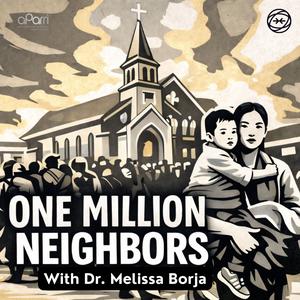
[SPEAKER_14]: From the Institute for Religion, Media, and Civic Engagement and Access Mundi Media, this is 1 million neighbors.
05:01.847 --> 05:03.128
[SPEAKER_14]: I'm Dr. Melissa Borhoff.
05:04.349 --> 05:17.662
[SPEAKER_14]: This limited podcast series is about one time American faith communities mobilized to do the impossible, resettling more than a million Southeast Asian refugees in the phase of widespread hostility towards migrants.
05:18.522 --> 05:21.385
[SPEAKER_14]: This is episode five, Bridges.
05:39.337 --> 05:45.624
[SPEAKER_14]: When references said that it was just a matter of getting to know people, he was highlighting an important problem.
05:46.424 --> 05:50.369
[SPEAKER_14]: Many Americans didn't know anything about Southeast Asian refugees.
05:51.190 --> 05:54.994
[SPEAKER_14]: They didn't know their culture, their religion, their history.
05:55.034 --> 06:00.940
[SPEAKER_14]: They sometimes didn't even know why refugees had come to the United States in the first place.
06:01.621 --> 06:08.668
[SPEAKER_14]: The people involved with resettlement efforts on the ground recognized that they needed
06:08.969 --> 06:16.919
[SPEAKER_14]: It allowed for the proliferation of harmful stereotypes, but the ideas that refugees are primitive and unsuited to American life.
06:17.840 --> 06:23.828
[SPEAKER_14]: Most importantly, it disrupted the important work, the holy work of welcoming the stranger.
06:23.888 --> 06:30.036
[SPEAKER_14]: Here's Tom Guzau, a Catholic menisotin who was involved in refugee resettlement in this era.
06:30.636 --> 06:36.664
[SPEAKER_03]: Well, as one refugee said to me last week, what he needs most of all right now,
06:37.420 --> 06:57.184
[SPEAKER_03]: is to not be looked at as such a freak and such an outsider and just to be looked at as just one more in a long wave of immigrants to America who have come seeking liberty and a new homeland.
06:57.468 --> 07:06.300
[SPEAKER_14]: In their effort to help the American public better understand refugees, voluntary agencies and churches, first began by educating themselves.
07:07.141 --> 07:21.079
[SPEAKER_14]: To help congregational sponsors, voluntary agencies created guides that contain information about refugees, religious, and cultural backgrounds, as well as practical guidance for how to respect religious and cultural differences.
07:21.127 --> 07:34.022
[SPEAKER_08]: But the resettlement agencies had written material that they put out about different cultural beliefs and to the backgrounds of the various ethnic groups ever coming.
07:34.188 --> 07:35.349
[SPEAKER_14]: These guides weren't perfect.
07:35.890 --> 07:39.634
[SPEAKER_14]: They sometimes had a dismissive view of refugees beliefs and practices.
07:40.355 --> 07:41.036
[SPEAKER_14]: But they helped.
07:41.476 --> 07:47.884
[SPEAKER_14]: Church is also tried to understand refugees in relation to some communities they already knew, like Native Americans.
07:48.304 --> 07:57.836
[SPEAKER_08]: And if you take a look at some of the Native American practices, they can seem pretty similar to some of the among practices.
07:58.536 --> 08:02.541
[SPEAKER_08]: That was one of the first things
08:03.517 --> 08:10.971
[SPEAKER_08]: that comparison or that similarity was something that helped people to understand the monk culture a little bit more.
08:11.432 --> 08:18.225
[SPEAKER_14]: Most of all, they tried to foster more human connection between refugees and the church people who sponsored them.
08:18.826 --> 08:21.812
[SPEAKER_08]: The other most important way is simply to
08:22.180 --> 08:30.775
[SPEAKER_08]: be able to sit down and learn from the people themselves, what their practices are and why they do things the way they do.
08:31.316 --> 08:37.107
[SPEAKER_08]: You
learn it by being part of it and being with the people.
08:37.127 --> 08:44.039
[SPEAKER_14]: Tom said that using congregational sponsors to ease refugees into life in America allows this understanding to develop.
08:44.199 --> 08:45.842
[SPEAKER_08]: You do get people together.
08:46.413 --> 08:54.267
[SPEAKER_08]: and they do have a chance to talk about what things in their lives are done differently in one culture or another.
08:54.808 --> 08:59.978
[SPEAKER_08]: You can't just sit from the outside and throw a blanket over and say this is the way we do it.
09:01.020 --> 09:05.468
[SPEAKER_08]: You have to be with people and talk it over.
09:06.511 --> 09:10.178
[SPEAKER_08]: try to understand it by talking it through.
09:10.639 --> 09:12.884
[SPEAKER_14]: Some churches didn't stop it understanding.
09:13.545 --> 09:21.381
[SPEAKER_14]: They committed to accommodating these differences and actively supporting refugees in the practice of their own religions and cultures.
09:24.820 --> 09:31.469
[SPEAKER_14]: For example, Lutheran churches sometimes made active efforts to support the Buddhist practices of Vietnamese refugees.
09:32.210 --> 09:33.572
[SPEAKER_14]: It was a principal decision.
09:34.393 --> 09:46.609
[SPEAKER_14]: In the guidelines it shared with congregational sponsors, Lutheran Immigration and Refugees Service, emphasize that respecting refugees as human beings means respecting their beliefs as well.
09:47.045 --> 09:56.583
[SPEAKER_14]: and two Lutheran congregations in Oregon chose to demonstrate this respect by arranging for Buddhist monks to visit the Vietnamese families they had sponsored.
09:57.785 --> 10:01.773
[SPEAKER_14]: Lutheran leaders talked about these efforts and report they shared with Congress in 1975.
10:02.014 --> 10:09.087
[SPEAKER_14]: They noted that bringing in the Buddhist monks was good for the refugees and also good for the church.
10:09.893 --> 10:18.207
[SPEAKER_14]: As they put it, it was a great experience for their congregation, teaching them that there are more people in the world than Belont Lutherans.
10:20.491 --> 10:28.645
[SPEAKER_14]: Other church people involved in resettlement participated in Mung animist rituals, a gesture that expressed their care and concern.
10:29.047 --> 10:35.377
[SPEAKER_14]: Here's Dorothy Knight, a Lutheran woman in St. Paul who has involved in her church's recediment work with Mung Refugees.
10:35.837 --> 10:37.860
[SPEAKER_14]: They didn't come from a Christian background.
10:38.541 --> 10:41.426
[SPEAKER_13]: In their culture, the shaman is very important.
10:42.067 --> 10:45.512
[SPEAKER_13]: I know there were people in the relationship that were shaman's.
10:45.532 --> 10:50.700
[SPEAKER_13]: Later on, the mother became pregnant and had a baby girl.
10:50.950 --> 10:57.859
[SPEAKER_14]: The mother found that the hospital wasn't in the easy place to conduct the traditional rituals associated with the birth of a new baby.
10:58.139 --> 11:14.359
[SPEAKER_13]: When they were going to have the birthing ceremony at home, they invited me, a chicken was killed in the kitchen, a part of the traditional celebration, lots of food and lots of different flavors for me and it was it was a wonderful
11:14.980 --> 11:21.288
[SPEAKER_13]: think to, you know, to be included in the celebrating because everybody was very happy.
11:21.628 --> 11:26.974
[SPEAKER_14]: Dorothy recognized that some Christians might criticize her decision to attend this long ritual.
11:27.775 --> 11:34.343
[SPEAKER_14]: But she considered her participation to be a legitimately Christian way to show love for God's creation.
11:34.944 --> 11:43.975
[SPEAKER_13]: I believe the God created the world, not just the people in one kind of vacation and one particular place.
11:44.798 --> 11:47.363
[SPEAKER_13]: And if you're in the world, you're part of the creation.
11:48.445 --> 11:52.734
[SPEAKER_13]: And there are different ways that people do that, I think.
11:54.899 --> 11:59.989
[SPEAKER_13]: We know so little about the love of God, that too.
12:00.830 --> 12:19.868
[SPEAKER_13]: to differentiate who God loves and who doesn't God love and what you should do at a certain time and what you should not do is so culturally oriented that it doesn't really, I mean, there's a book, your God is too small and I think, you know, it's
12:20.472 --> 12:23.495
[SPEAKER_13]: If you're in that kind of a prison, that's your problem.
12:23.515 --> 12:25.077
[SPEAKER_13]: That's not my problem.
12:25.097 --> 12:32.065
[SPEAKER_14]: In fact, she criticized those who refuse to engage with refugees of different religious and cultural backgrounds.
12:32.566 --> 12:35.969
[SPEAKER_13]: People really miss the vote.
12:36.730 --> 12:41.836
[SPEAKER_13]: If they think it's this little on-clade, I mean, God really loves us.
12:42.977 --> 12:44.759
[SPEAKER_13]: And God doesn't care about the rest of them.
12:45.500 --> 12:49.905
[SPEAKER_13]: Wouldn't that be a strange kind of thing?
12:50.982 --> 12:52.985
[SPEAKER_13]: kind of take, not it.
13:07.727 --> 13:14.897
[SPEAKER_14]: The effort by resettlement workers to find ways to understand and connect with refugees didn't always go smoothly.
13:15.687 --> 13:18.571
[SPEAKER_14]: People phone getting to know refugees to be uncomfortable.
13:19.312 --> 13:22.517
[SPEAKER_14]: Their efforts were sometimes clumsy or outright failures.
13:23.338 --> 13:29.527
[SPEAKER_14]: Here's one community member in Southern California describing his stalled efforts to befriend his Vietnamese neighbors.
13:30.328 --> 13:44.007
[SPEAKER_04]: We have talked about having the people come in and sit down at the dinner table and buy them over for dinner and get acquainted with the Vietnamese.
13:44.273 --> 13:52.301
[SPEAKER_04]: A Vietnamese gentleman came, I can't remember his name, but he spoke in front of the council and the people and his concern.
13:52.381 --> 13:57.005
[SPEAKER_04]: He was very much concerned about his children, the
way we were concerned about ours.
13:57.706 --> 14:08.195
[SPEAKER_04]: And we talked to him afterwards, and this is what we were going to try to do is, is have meetings, have him over and invite him into our homes, but it was never brought about.
14:08.336 --> 14:12.019
[SPEAKER_04]: Now I don't know if we could have done anything about that.
14:13.957 --> 14:16.740
[SPEAKER_14]: But for every stumble, there was also a success.
14:17.480 --> 14:26.249
[SPEAKER_14]: And resettlement often facilitated relationships between sponsors and refugees that led to genuine interreligious and interracial understanding.
14:27.110 --> 14:29.692
[SPEAKER_14]: And people were truly changed by the experience.
14:30.573 --> 14:31.835
[SPEAKER_14]: Here's Tom Kosal again.
14:32.215 --> 14:35.038
[SPEAKER_08]: I think that was one of the good things that happened.
14:35.458 --> 14:40.403
[SPEAKER_08]: People learned that there's more than one way of looking at things.
14:41.092 --> 14:44.979
[SPEAKER_08]: And like I said before, it would broaden people's horizons.
14:45.100 --> 14:51.973
[SPEAKER_08]: They understood why they would do things this way rather than that way.
14:53.375 --> 15:00.028
[SPEAKER_08]: And it did help people to be a little more accepting of other ways of living.
15:06.168 --> 15:18.068
[SPEAKER_14]: The first Lutheran Church is a historic church, older than the state of Minnesota itself, located on the east side of St. Paul and the neighborhood of Dayton's Bluff, right by Sweet Hollow Park.
15:18.436 --> 15:23.486
[SPEAKER_14]: In a state famous for its Scandinavian roots, first Lutheran holds a special place.
15:24.107 --> 15:28.375
[SPEAKER_12]: First Lutheran Church is the oldest Lutheran congregation in the state of Minnesota.
15:29.076 --> 15:35.148
[SPEAKER_12]: It was established in 1854 and Minnesota didn't become a state until 1858.
15:35.308 --> 15:39.837
[SPEAKER_12]: It was started by Swedish immigrants.
15:40.559 --> 15:41.800
[SPEAKER_14]: That's Diane Anderson.
15:42.341 --> 15:45.604
[SPEAKER_14]: She's a longtime member of this church and resident, some Saint Paul.
15:46.284 --> 15:50.588
[SPEAKER_14]: And over the course of her lifetime, she's seen a lot of changes in her community.
15:51.429 --> 15:59.776
[SPEAKER_14]: For decades, immigrants from around the world gravitated to this part of the city where they found work in the flower and lumber mills and the nearby brewery.
16:00.157 --> 16:09.385
[SPEAKER_12]: They're used to be in the Italian neighborhood, a Polish neighborhood, Scandinavian, mixed neighborhood, a Mexican, a small group of Mexican community.
16:09.365 --> 16:14.953
[SPEAKER_14]: And then, in the decades after the Second World War, the city's demographics began to shift.
16:15.313 --> 16:21.022
[SPEAKER_12]: Well, I would guess maybe in the 60s, 70s, the suburbs started growing.
16:21.082 --> 16:26.229
[SPEAKER_12]: And of course, many people wanted to move to the suburbs so that that was the place to live.
16:27.070 --> 16:28.993
[SPEAKER_12]: And so people will begin,
16:28.973 --> 16:30.515
[SPEAKER_12]: leaving the city.
16:30.935 --> 16:39.205
[SPEAKER_14]: Diane and the other members of First Lutheran Church wondered how they should respond to the changing neighborhood and the new neighbors who called it home.
16:39.765 --> 16:48.915
[SPEAKER_12]: In the mid-60s we had a wonderful pastor who felt the church should be moved to the suburbs because that's where people were going.
16:48.996 --> 16:57.445
[SPEAKER_12]: That's where people were living and the congregation after much discussion decided no
16:57.425 --> 17:01.510
[SPEAKER_12]: serving the people of the East side and Dayton's bluff community.
17:02.331 --> 17:06.457
[SPEAKER_12]: By not moving, the church turned in to something different.
17:07.097 --> 17:15.428
[SPEAKER_12]: So we are now considered an inner city church, still serving and being a welcoming place for our neighbors and those in need.
17:15.929 --> 17:22.437
[SPEAKER_14]: As it turns out, the population changes Diane witnessed in the 1960s for only the beginning.
17:22.417 --> 17:28.088
[SPEAKER_14]: In the 1970s and 1980s, a new group of neighbors also began to resettle in St. Paul.
17:28.950 --> 17:33.640
[SPEAKER_14]: South East Asian refugees, especially Mung Refugees from Louss.
17:35.163 --> 17:42.838
[SPEAKER_14]: Lots of people in Minnesota were unhappy about these new neighbors, who were the target of violence, harassment, and discrimination.
17:43.173 --> 17:46.800
[SPEAKER_14]: For example, in 1982, a Southeast Asian man in St.
17:46.840 --> 17:52.310
[SPEAKER_14]: Cloud, Minnesota, was run over by a car in a suspected act of anti-refugee hate.
17:53.312 --> 17:57.520
[SPEAKER_14]: The incident left him a quadriplegic and scarred him psychologically.
17:57.972 --> 18:17.905
[SPEAKER_14]: And in St. Paul, teachers at Johnson High School told the local newspaper that The Asian students won't go to the bathroom between classes because they're afraid And that They're called names spit on, pushed and shoved, and even hit Local residents wrote letters to the editor to complain that the newcomers were dumped on the city
18:17.885 --> 18:21.154
[SPEAKER_14]: and they tried to prevent more refugees from moving in.
18:21.174 --> 18:28.394
[SPEAKER_14]: In 1984, St. Paul residents organized to object to the building of a among Methodist church in their neighborhood.
18:29.016 --> 18:32.907
[SPEAKER_14]: They worried that the church would draw more among people to settle in the city.
18:33.697 --> 18:35.940
[SPEAKER_14]: But Diane Anderson was different.
18:36.942 --> 18:41.649
[SPEAKER_14]: She didn't harbor resentment or fear or anger at the Southeast Asian refugees.
18:42.731 --> 18:46.857
[SPEAKER_14]: Instead, she was curious about them, and so were the people at her church.
18:47.719 --> 18:55.030
[SPEAKER_14]: In fact, after seeing refugees around town and in their neighborhood, they were even interested in
reaching out to them.
18:55.010 --> 18:56.893
[SPEAKER_14]: But they weren't sure how to get started.
18:57.614 --> 19:14.116
[SPEAKER_12]: Many of the volunteers commented when we first had our workshop that they had new neighbors who were among, or they see them in the doctor's office, or they see them, you know, and sometimes they see, maybe they'd like to help them, but they don't know how.
19:14.617 --> 19:18.142
[SPEAKER_14]: Diane and the members of First Lutheran Church had lots of questions.
19:18.863 --> 19:20.005
[SPEAKER_14]: Who were these new neighbors?
19:20.706 --> 19:22.007
[SPEAKER_14]: How will we get along with them?
19:22.688 --> 19:23.970
[SPEAKER_14]: Can we get along with them?
19:25.115 --> 19:29.821
[SPEAKER_14]: Lots of Americans, especially people of faith, were wondering the same things.
19:30.641 --> 19:39.272
[SPEAKER_14]: After working so hard to help refugees find a new home in the United States, voluntary agencies and congregations faced another daunting challenge.
19:39.792 --> 19:46.921
[SPEAKER_14]: They had to help their communities overcome their uncertainties, fears, and prejudices and learn to accept these new refugees.
19:47.521 --> 19:49.924
[SPEAKER_14]: And maybe even become friends with them.
19:50.528 --> 19:54.774
[SPEAKER_14]: After all, refugee resettlement was supposed to be about loving thy neighbor.
19:55.676 --> 20:07.373
[SPEAKER_14]: But as Southeast Asian refugees were targeted by horrific acts of violence and hate, people wondered, was getting Americans to love their refugee neighbors even possible?
20:09.396 --> 20:14.443
[SPEAKER_14]: In the 1970s, Americans found that they had a lot of new neighbors.
20:14.761 --> 20:16.704
[SPEAKER_14]: The rules on immigration had changed.
20:17.466 --> 20:26.241
[SPEAKER_14]: Laws like the 1965 Heart Sallar Act opened the door to more diverse immigrants, especially immigrants from Asia, the Middle East, and Africa.
20:27.303 --> 20:33.394
[SPEAKER_14]: More and more people were moving due to shifting economic, political, and social conditions around the world.
20:34.690 --> 20:40.579
[SPEAKER_14]: Beyond immigrants were able to choose to move that were also refugees who were forced to migrate.
20:41.601 --> 20:46.849
[SPEAKER_14]: And the demographics of refugees who resettled in the United States also changed the 1970s.
20:46.889 --> 20:51.276
[SPEAKER_14]: In the previous three decades, most of the refugees were from Europe.
20:51.857 --> 21:01.272
[SPEAKER_14]: For example, displaced persons uprooted by World War II in the 1940s, and Hungarian freedom fighters who resisted communism in the 1950s.
21:01.825 --> 21:08.312
[SPEAKER_14]: These refugees fled their homes because of war and persecution, and they were typically white and Christian or Jewish.
21:09.674 --> 21:17.983
[SPEAKER_14]: And then, after the fall of Saigon in 1975, hundreds of thousands of refugees from Vietnam lost in Cambodia began to arrive.
21:18.804 --> 21:26.432
[SPEAKER_14]:
They resettled in such large numbers and sometimes so rapidly that they transformed communities seemingly overnight.
21:26.412 --> 21:32.381
[SPEAKER_14]: One vocational school in Southern California saw their student population shift dramatically during these years.
21:32.501 --> 21:50.327
[SPEAKER_06]: In 1975, we started out with a majority white followed by a Chicano population.
21:50.594 --> 21:57.761
[SPEAKER_06]: In the 7677, the Asian population shifted to the majority of position here.
21:58.382 --> 22:20.263
[SPEAKER_06]: Today, we're running nearly 80 percent Pacific Asians again composed mostly of the Indochina refugees.
22:22.117 --> 22:24.760
[SPEAKER_14]: Resublement was complicated for these refugees.
22:25.541 --> 22:28.164
[SPEAKER_14]: Southeast Asian refugees arrived a middle recession.
22:28.744 --> 22:32.809
[SPEAKER_14]: And Americans were anxious about scarce resources and job opportunities.
22:33.830 --> 22:39.116
[SPEAKER_14]: Southeast Asian refugees also looked different for more than 99% of Americans.
22:40.037 --> 22:44.782
[SPEAKER_14]: In 1970, Asian Americans were less than 1% of the American population.
22:45.503 --> 22:48.867
[SPEAKER_14]: Most Americans didn't know anybody who was of Asian descent.
22:50.062 --> 22:51.764
[SPEAKER_14]: they also worshipped differently.
22:51.804 --> 22:58.850
[SPEAKER_14]: The United States is a predominantly Christian country and was even more so in the 1970s.
22:59.891 --> 23:02.033
[SPEAKER_14]: Some Southeast Asian refugees were Christian.
23:02.374 --> 23:10.821
[SPEAKER_14]: However, a lot, if not most of the Southeast Asian refugees are resettled in America, or practicing Buddhists, ancestor worshippers, and animists.
23:12.383 --> 23:17.908
[SPEAKER_01]: From the beginning, there were cultural distinctions that plagued all understanding between Americans and Vietnamese,
23:18.327 --> 23:23.152
[SPEAKER_14]: Local news media made a point of reporting on the religious diversity of these refugees.
23:23.933 --> 23:28.318
[SPEAKER_14]: Here's a PBS documentary about Vietnamese refugees from southern California.
23:28.858 --> 23:32.502
[SPEAKER_01]: For example, the big majority of Indo-Chinese are Buddhists.
23:32.522 --> 23:36.226
[SPEAKER_01]: But most of the leaders and the educated elite of the old regimes were Catholic.
23:36.686 --> 23:38.148
[SPEAKER_01]: Result of French colonial rule.
23:38.649 --> 23:46.697
[SPEAKER_01]: Many ordinary people were Catholic too, and what that gave them in contrast to the Buddhists was at least a tenuous connection to our Western culture.
23:46.863 --> 23:53.891
[SPEAKER_14]: South East Asian refugees were so different that sometimes the people who were involved in resettlement had never even heard of them.
23:53.931 --> 24:07.448
[SPEAKER_14]: This was especially true for refugee groups like the Mung, who were an ethnic group displaced from Alas, who didn't have a country of their own, and who were involved in a war that was often described as secret.
24:08.229 --> 24:16.178
[SPEAKER_08]: Well, at the beginning, people had a hard time understanding that there's a difference
24:16.343 --> 24:17.525
[SPEAKER_14]: Here's Tom Cousall again.
24:17.585 --> 24:24.074
[SPEAKER_14]: He ran employment program for refugees and was deeply involved in Catholic resettlement efforts in Minnesota.
24:24.795 --> 24:30.924
[SPEAKER_08]: I mean, because it was the Vietnam War, most people thought, well, everyone was coming as Vietnamese.
24:31.144 --> 24:35.430
[SPEAKER_08]: It took a while for people to understand that the longer not Vietnamese.
24:35.811 --> 24:40.658
[SPEAKER_08]: And you know, that was a stumbling block for a lot of people.
24:40.718 --> 24:45.625
[SPEAKER_14]: He recalled that people were just confused when they heard about Mung Refugees.
24:45.892 --> 24:49.758
[SPEAKER_08]: just that people have never had heard of them before.
24:51.340 --> 24:52.802
[SPEAKER_08]: What is this homong stuff?
24:53.403 --> 24:57.349
[SPEAKER_14]: Even people like Joanne Carvenon found that they had a lot to learn.
24:58.310 --> 25:06.482
[SPEAKER_14]: She had been following the developments in Asia closely and was deeply involved in refugee work, but the monk community was completely new to her.
25:06.631 --> 25:15.683
[SPEAKER_07]: I had never heard of Mon people until, you know, shortly before we got the first family here.
25:16.144 --> 25:19.148
[SPEAKER_07]: That was not a word that I was even familiar with.
25:20.290 --> 25:25.517
[SPEAKER_07]: And I traveled quite a bit, but I did not know.
25:26.577 --> 25:31.202
[SPEAKER_07]: I had heard of law, of course, but I hadn't heard about the mong tribes.
25:32.103 --> 25:36.607
[SPEAKER_07]: So that in itself was just a tremendous revelation.
25:37.368 --> 25:47.358
[SPEAKER_14]: Given the fact that the general public had very little knowledge about their new neighbors, it didn't help that news media sometimes portrayed Southeast Asian refugees very negatively.
25:47.398 --> 25:51.522
[SPEAKER_14]: Mung people in particular were portrayed as primitive.
25:52.244 --> 25:56.113
[SPEAKER_14]: Take, for example, the reporting from the Associated Press in 1984.
25:57.536 --> 26:09.342
[SPEAKER_00]: It has been an Odyssey through time as well as through miles from attached roofs to skyscrapers, from pre-literacy to computers, from the Stone Age to the Space Age.
26:09.322 --> 26:19.698
[SPEAKER_00]: 50,000 mong have made the journey since the mid-1970s, from refugee camps in Thailand, to the cities, suburbs, and valleys of the United States.
26:20.679 --> 26:32.477
[SPEAKER_00]: No other newcomers to the United States suffered greater culture shock than these primitive tribesmen who suddenly crash landed in a society light years away from their own.
26:32.457 --> 26:38.995
[SPEAKER_14]: Resettlement officials echoed these claims that Southeast Asian refugees were primitive and unsuited to modern life.
26:39.717 --> 26:48.441
[SPEAKER_14]:
John Think, a resettlement specialist in Rhode Island, described among refugees as emerging from the mists of time.
26:48.421 --> 26:49.602
[SPEAKER_14]: those were his words.
26:50.303 --> 26:59.254
[SPEAKER_14]: And Jane Henry, a refugee assistance program officer in Kansas City, saw these refugees as being ill-equipped to adjust to American ways.
26:59.755 --> 27:11.490
[SPEAKER_10]: They are not used to learning, they have no skills, all they know how to do is farm, and it's been very difficult for them to adjust to such an urban sophisticated culture.
27:11.510 --> 27:16.656
[SPEAKER_10]: It's the United States, more so probably than any
27:16.636 --> 27:20.061
[SPEAKER_14]: given the degree of racial, religious, and cultural difference.
27:20.641 --> 27:25.949
[SPEAKER_14]: Government officials acknowledged that Southeast Asian refugee resettlement would be a challenge.
27:26.830 --> 27:29.413
[SPEAKER_14]: This is something they discussed directly with Congress.
27:30.354 --> 27:39.707
[SPEAKER_14]: Julie attacked the director of the Interagency Task Force for Indo-China refugees, said this when she testified before the Senate in 1975.
27:40.582 --> 27:53.460
[SPEAKER_14]: Never before in the history of this country, Mr. Chairman, have so many people from such different cultures, ethnic and religious backgrounds, been introduced into American society in such a short time.
27:55.415 --> 28:03.671
[SPEAKER_14]: The task force knew it would be a heavy lift, and they worried about asking Christian churches to sponsor refugees who were Buddhists or animists.
28:04.493 --> 28:14.031
[SPEAKER_14]: Frank Wisner, another task force member, said, it was very hard to ask a parish to be responsible for somebody of another faith or no faith at all.
28:15.361 --> 28:25.471
[SPEAKER_14]: American Christians also tried to promote understanding, changed the hearts and minds of the broader public, and built bridges across religious, racial, and cultural differences.
28:26.572 --> 28:38.283
[SPEAKER_14]: Christian colleges and churches hosted seminars to educate the public about Southeast Asian refugees, Christian leaders publicly rebuked Zinofobia and championed refugees when hateful incidents occurred.
28:39.144 --> 28:45.030
[SPEAKER_14]: And sometimes they chose simply and most profoundly to be caring
28:46.985 --> 28:50.853
[SPEAKER_14]: On this note, let's return to Diane Anderson in St. Paul, Minnesota.
28:51.856 --> 29:03.441
[SPEAKER_14]: She's the member of First Lutheran Church, the historically sweetest church in Dayton Bluff, a part of the city that eventually became home to more black and brown residents, including Southeast Asian refugees.
29:04.028 --> 29:08.793
[SPEAKER_14]: Diane was at a turning point in her life and she wanted to do something good.
29:09.214 --> 29:22.950
[SPEAKER_12]: I thought about, well, maybe I could do something with refugees that interested me, how to make their life a little easier in something that would just my
contribution, probably more for me than for them.
29:23.010 --> 29:30.238
[SPEAKER_12]: And I thought, well, maybe I could drive among refugees to their appointments or things like that.
29:30.218 --> 29:32.943
[SPEAKER_12]: It was also a turning point for her church.
29:33.383 --> 29:37.290
[SPEAKER_12]: And then at the same time, our church was kind of thinking, where do we go?
29:37.370 --> 29:38.752
[SPEAKER_12]: Where does first church go?
29:38.792 --> 29:40.255
[SPEAKER_12]: We are in this neighborhood.
29:40.275 --> 29:42.859
[SPEAKER_12]: We are seeing changes in this neighborhood.
29:43.701 --> 29:48.008
[SPEAKER_12]: And what does God want us to do in this place?
29:47.988 --> 29:54.646
[SPEAKER_12]: And one of the things was we had several key statements and one of them was welcoming our neighbors.
29:55.408 --> 29:59.619
[SPEAKER_12]: So I had said when I was going to retire, I mentioned to someone on the church council.
30:00.281 --> 30:04.292
[SPEAKER_12]: Well, I'd be willing to be on a committee or something to do with.
30:04.272 --> 30:05.254
[SPEAKER_12]: with refugees.
30:05.494 --> 30:16.672
[SPEAKER_12]: Well, within a week, I had a call from Southeast Asian ministry wondering if I was interested in doing something with with them.
30:16.692 --> 30:19.036
[SPEAKER_12]: And I said, sure, I would think about that.
30:19.056 --> 30:25.807
[SPEAKER_14]: Through Southeast Asian ministry, a local Lutheran initiative, she learned that refugee elders really struggled.
30:26.027 --> 30:31.596
[SPEAKER_12]: One of the things they said was they felt there was a need for a
30:31.576 --> 30:48.242
[SPEAKER_12]: Many of the elders were isolated, were depressed, about being here, about the life they left, and how they couldn't do their gardening, and just to frighten to be out in their communities.
30:48.662 --> 30:53.850
[SPEAKER_14]: The struggles of refugee elders wasn't just a mung problem or a St. Paul problem.
30:54.331 --> 30:56.875
[SPEAKER_14]: It was a problem all across the country.
30:57.074 --> 31:07.813
[SPEAKER_10]: One, one, two, three, four, five, six, seven, eight, nine, nine.
31:07.833 --> 31:10.759
[SPEAKER_05]: The only people on the first one got here and they really depressed.
31:11.460 --> 31:15.387
[SPEAKER_05]: The reason they missed their relatives to remain in Vietnam.
31:15.535 --> 31:22.671
[SPEAKER_14]: So in Minnesota, Diane wanted to address this issue, focusing on her neighbors, the Mung in St. Paul.
31:23.333 --> 31:31.090
[SPEAKER_12]: So we begin a conversation with Southeast Asian Ministry and first church about a Mung Elder program.
31:31.411 --> 31:34.438
[SPEAKER_12]: I think many of us have the false assumption.
31:34.418 --> 31:59.992
[SPEAKER_12]: that every Mung family was a multi-generational family and grandparents lived with grandchildren that that was how it was, but there were many Mung elders who were isolated in large apartment houses, apartment buildings for the elders, not even leaving their apartments, and let's say new someone else who was Mung, who they could speak with.
32:00.673 --> 32:04.138
[SPEAKER_12]: So we decided we would try,
32:04.726 --> 32:10.574
[SPEAKER_14]: With the partnership of a Mung Lutheran Volunteer from Southeast Asian Ministry, Diane set to work.
32:11.295 --> 32:29.299
[SPEAKER_12]: So she and I spent several months developing a program looking at the neighborhood we wanted to serve primarily the east side of St. Paul as that is our our neighborhood and the Dayton's bluff area and there were many refugee families in that area.
32:30.157 --> 32:32.560
[SPEAKER_12]: So we thought we had everything together.
32:32.621 --> 32:33.942
[SPEAKER_12]: We put out flyers.
32:34.063 --> 32:39.611
[SPEAKER_12]: We went to various agencies that were serving among refugees.
32:40.372 --> 32:42.615
[SPEAKER_12]: And we were ready for people to come.
32:43.116 --> 32:45.760
[SPEAKER_14]: Diane never organized a project like this before.
32:46.180 --> 32:47.582
[SPEAKER_14]: And she called her volunteers.
32:48.363 --> 32:50.787
[SPEAKER_14]: She wasn't sure how many people would sign up to help.
32:51.628 --> 32:55.033
[SPEAKER_14]: She was delighted when 12 people volunteered.
32:55.250 --> 33:00.094
[SPEAKER_14]: She knew what would be important for her volunteers to have some cultural literacy about the Mung Elders.
33:00.134 --> 33:00.935
[SPEAKER_14]: They would be serving.
33:01.476 --> 33:06.560
[SPEAKER_12]: So we had an all-day workshop on the Mung Refugees.
33:06.780 --> 33:25.257
[SPEAKER_12]: We had a mung nurse who would be our parish nurse through Southeast Asian ministry talk and then our Lutheran volunteer talk about the Mung people and their lives and what we
33:25.237 --> 33:26.643
[SPEAKER_12]: and then the day came.
33:27.246 --> 33:28.632
[SPEAKER_12]: The program launched.
33:29.375 --> 33:31.163
[SPEAKER_14]: It kind of had a rough start.
33:31.328 --> 33:42.545
[SPEAKER_12]: Well, the first day came, we had one elderly lady come who was not well, and she was dropped off and spoke no English at all.
33:43.366 --> 33:47.953
[SPEAKER_12]: So thankfully our Lutheran volunteer was able to spend the day with her.
33:48.393 --> 33:50.456
[SPEAKER_12]: The program started very slowly.
33:52.059 --> 33:58.348
[SPEAKER_12]: We wondered if it was worth it, should we keep on or should we just say no, it's not going to work.
33:58.328 --> 34:05.669
[SPEAKER_14]: But things picked up and soon the elder program was flourishing the added English classes.
34:06.210 --> 34:13.350
[SPEAKER_12]: And one of the things that brings them back to us is that we have English or American.
34:13.330 --> 34:17.254
[SPEAKER_12]: people here and they get them the opportunity to practice English.
34:17.774 --> 34:29.445
[SPEAKER_12]: We do have English classes which are primarily in a conversation, giving them a more of a vocabulary so they can speak to other other people.
34:29.505 --> 34:43.337
[SPEAKER_12]: We have had
them say, no, they're not afraid to go out down their hallway in their apartment building or down to the lobby because they used to just say yes, no,
34:43.317 --> 34:45.100
[SPEAKER_12]: with others.
34:45.540 --> 34:46.782
[SPEAKER_12]: And a health initiative.
34:47.463 --> 35:02.845
[SPEAKER_12]: I also want to share that our nurse, our parish nurse, who is Mong, who does health education, and blood pressure checks, and diabetes, and all those things, hypertension that are a part of a aging person's life.
35:03.331 --> 35:06.837
[SPEAKER_12]: And it became a place for inter-religious dialogue.
35:07.017 --> 35:11.784
[SPEAKER_12]: And many of our, the people that we have are not Christian.
35:11.844 --> 35:15.170
[SPEAKER_12]: We have some who are still practicing the shamanism.
35:15.410 --> 35:18.996
[SPEAKER_12]: And our translator is a retired Baptist minister.
35:19.416 --> 35:21.019
[SPEAKER_12]: So we have the whole gamut.
35:25.758 --> 35:29.947
[SPEAKER_14]: Most importantly, the program was a place for mutual friendship.
35:30.388 --> 35:41.893
[SPEAKER_12]: But I think the important thing is we are living it in our actions, even if we are not saying, you know, they see that we are welcoming place and that we love them.
35:41.873 --> 35:44.076
[SPEAKER_12]: and we are friends.
35:44.476 --> 35:52.346
[SPEAKER_12]: Another woman has told us she never thought when she before she came to America that she would have any American friends.
35:53.087 --> 36:02.178
[SPEAKER_12]: And that is so wonderful for her that she considers us her friends here, the volunteers.
36:02.979 --> 36:08.826
[SPEAKER_12]: The only reason we have lost volunteers is through death, which is another amazing thing.
36:08.806 --> 36:18.726
[SPEAKER_12]: We have kept every volunteer who started with us, and it's only been through death that we have lost, three of them, and we have picked up some other ones.
36:18.826 --> 36:25.600
[SPEAKER_12]: So the volunteers tell me too, it's as much fun for them to come here.
36:25.580 --> 36:29.812
[SPEAKER_12]: as it is for the elders, and they miss it when they don't come.
36:30.494 --> 36:40.062
[SPEAKER_12]: So, we have a great time here, and it's a program for the elders of First Church as well as for the lung population.
36:40.683 --> 36:47.974
[SPEAKER_14]: The program offered her a chance to live in deeper relationship with her new neighbors, something her church's pastor emphasizes.
36:48.415 --> 36:50.859
[SPEAKER_12]: Our pastor stresses this in her sermons.
36:51.340 --> 36:53.062
[SPEAKER_12]: It's about relationships.
36:54.004 --> 36:58.050
[SPEAKER_12]: And we just had a sermon last week, what, you know, about.
36:58.030 --> 37:20.038
[SPEAKER_12]: Make it a point to go out and meet someone, or have a conversation with someone in this church that you haven't done before, build a relationship with someone, and that that is such an important part of our ministry is to not just have our doors open for groups to use our building.
37:20.018 --> 37:32.136
[SPEAKER_12]: which a lot of places do and that's good too you know but that with that comes the relationships that you form with these other people and with other groups.
37:32.977 --> 37:37.523
[SPEAKER_14]: For Diane this project embodied what it means to be Christian.
37:38.024 --> 37:49.080
[SPEAKER_12]: We tend to be kind of live by our actions and not our words kind of
37:49.448 --> 37:51.571
[SPEAKER_14]: Of course, that's easier said than done.
37:51.631 --> 38:02.724
[SPEAKER_14]: Southeast Asian refugee resettlement required Americans to develop relationships with people who were incredibly different from themselves, racially, culturally, and religiously.
38:02.764 --> 38:16.300
[SPEAKER_14]: Refugee advocates often spoke about welcoming the stranger, and these refugees in so many ways were strangers, but they would also eventually become neighbors and friends.
38:18.085 --> 38:34.615
[SPEAKER_14]: As American Christians involved in Southeast Asian refugee resettlement made concerted efforts to put ideals of pluralism and bridge building into practice, they advanced a vision of refugee resettlement that wasn't centered on serving only members of one's own community.
38:35.316 --> 38:40.566
[SPEAKER_14]: But welcoming people who were strangers and learning to embrace them as neighbors.
38:40.546 --> 38:43.991
[SPEAKER_14]: This took hard work and good humor and humility.
38:44.812 --> 38:51.342
[SPEAKER_14]: It required being willing to make mistakes to give a control to have your minds changed and your hearts widened.
38:52.624 --> 39:01.677
[SPEAKER_14]: It was work that would shape the future, because Southeast Asian refugees were just the beginning of a new era in American refugee resettlement.
39:01.697 --> 39:10.350
[SPEAKER_14]: Americans would eventually welcome refugees from places as a far-flung, a Somalia, Afghanistan, the Congo,
39:10.330 --> 39:23.698
[SPEAKER_14]: and the experience of resettling refugees from Vietnam, Laos and Cambodia gave Americans important lessons for how to put ideals of pluralism into practice, something that would be essential in the decades to come.
39:25.585 --> 39:28.028
[SPEAKER_14]: and what lay ahead would not be easy.
39:29.050 --> 39:34.838
[SPEAKER_14]: Even more Americans would question our nation's longstanding openness to immigrants and refugees.
39:35.939 --> 39:43.169
[SPEAKER_14]: Bahaustility to migrants always existed in American culture, we later elevated leaders who campaigned on these views.
39:43.970 --> 39:52.622
[SPEAKER_14]: And once elected, these leaders built walls, separated families, and shot our country's doors to people fleeing persecution and war.
39:53.615 --> 40:05.298
[SPEAKER_14]: Throughout this process, Americans of faith would grapple with big questions about who we are as a nation and what it means to be a neighbor in a world that is complex and cruel.
40:06.681 --> 40:08.164
[SPEAKER_14]: But that's for next time.
40:17.476 --> 40:18.077
[SPEAKER_14]: That's it.
40:18.377 --> 40:20.561
[SPEAKER_14]: We're this episode of 1 Million Neighbors.
40:21.382 --> 40:22.624
[SPEAKER_14]: Thank you so much for listening.
40:23.245 --> 40:24.547
[SPEAKER_14]: I'm Dr. Melissa Borho.
40:25.248 --> 40:29.014
[SPEAKER_14]: 1 Million Neighbors was produced by Andrew Gill and Bradley O'Neighee.
40:29.795 --> 40:33.161
[SPEAKER_14]: Original music and audio engineering were by Scott O'Kamoto.
40:34.162 --> 40:36.666
[SPEAKER_14]: Carrie O'Neighee she provided production assistance.
40:37.422 --> 40:43.861
[SPEAKER_14]: One million neighbors was made possible in partnership with a parry through generous funding from the Lili Foundation.
40:44.965 --> 40:51.043
[SPEAKER_14]: Until next time, remember, radical hospitality isn't just for radicals.