
► Tell us about you and your podcast
I have been described as a walking Venn Diagram.
Every career choice I've made has ultimately rested on the ancient Greek maxim “Know Thyself,” the directive that is at the heart of every artistic, spiritual or leadership journey.
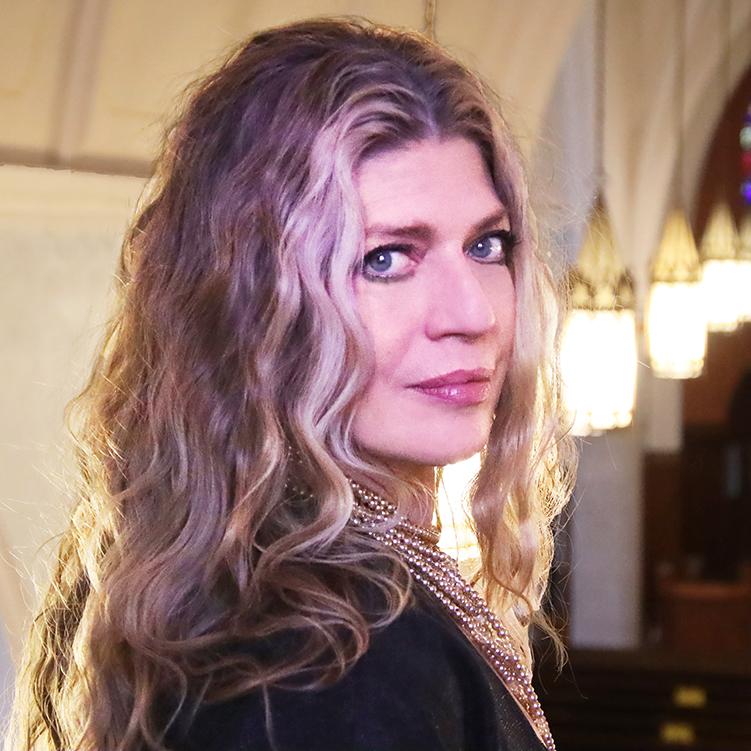
I'm Sandra Bargman, a 40+ year professional (AEA/SAG-AFTRA) actor/singer/voice artist/director and a 20 year seminary trained and ordained interspiritual minister + counselor. By weaving the skills of the actor: breath work, body work, vocal strength, diction, intention, and powerful storytelling with the skills of (SQ) spiritual intelligence: the power of silence, mindfulness, deep listening, and wisdom presence I’ve created a system called The B.I.G. Approach, to help entrepreneurs, executives, educators, lawyers, anyone, to step into B.older, more real communication, I.ntentional conversations, and G.utsier storytelling.
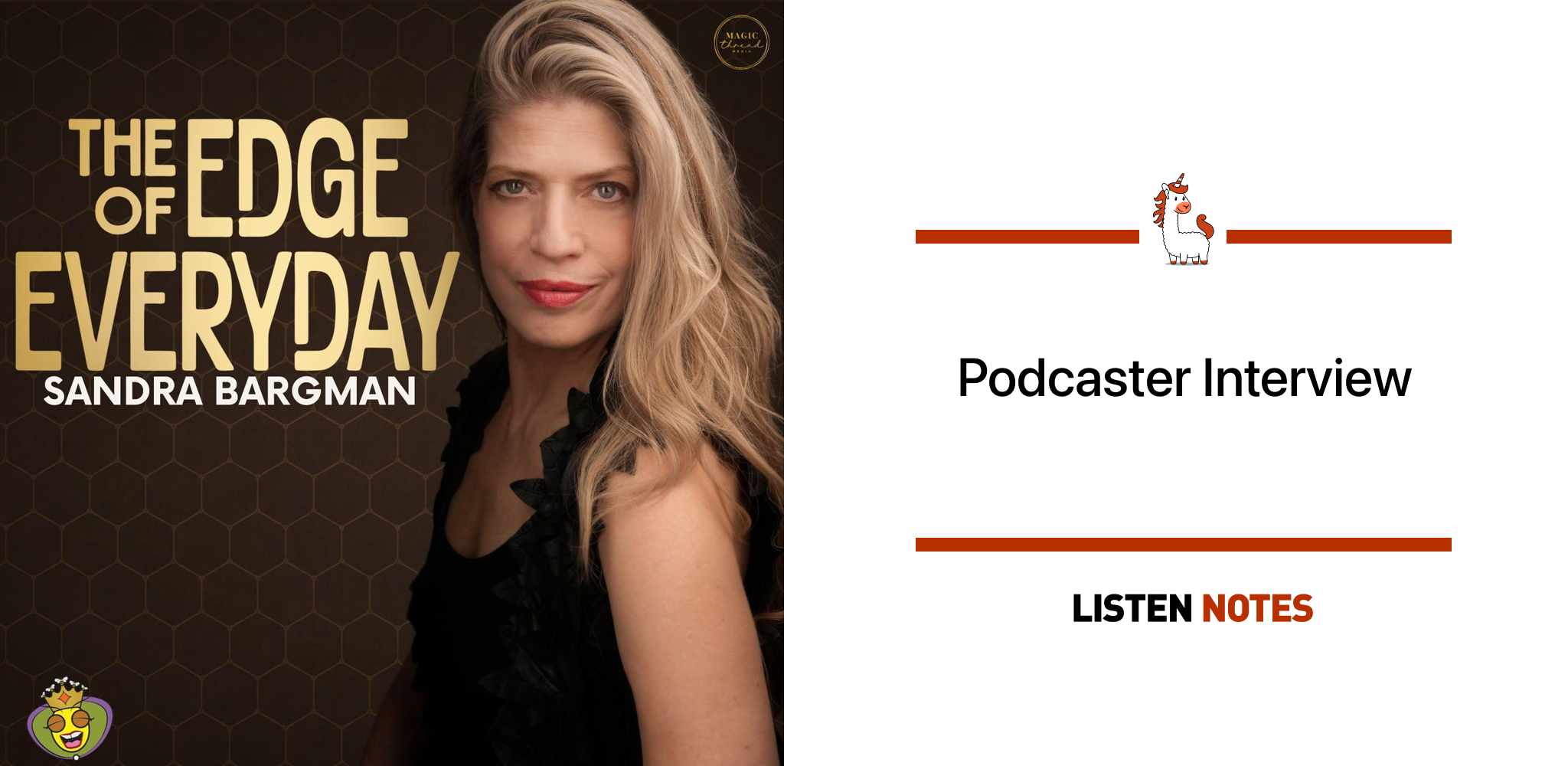
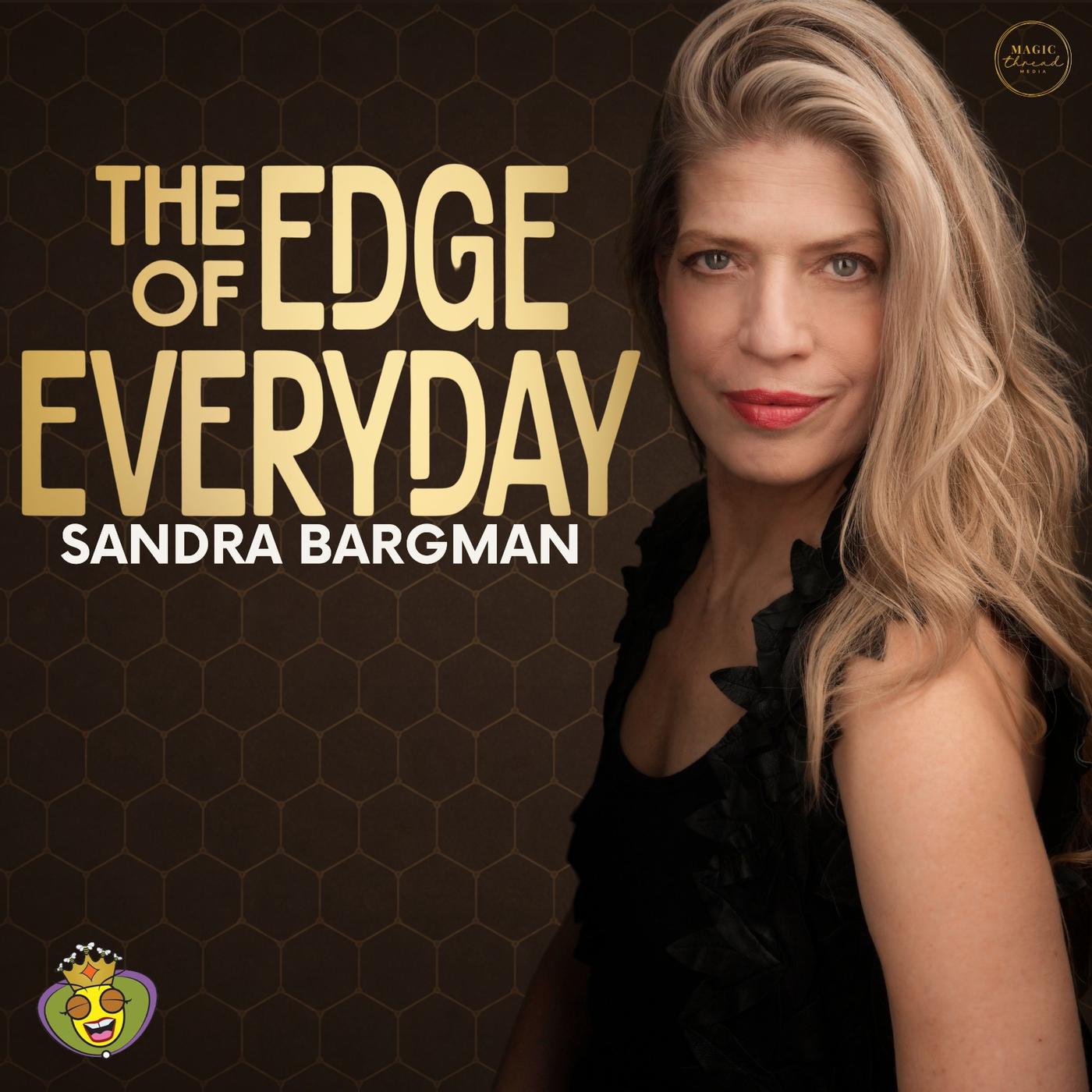
I am the host of The Edge of Everyday, a thought-provoking podcast that explores the transformative “edges” of everyday life — the moments when identity, belief, and experience are challenged and reshaped. Through intimate, deeply reflective conversations with artists, activists, spiritual seekers, and change-makers, the show examines themes of personal growth, paradox, leadership, grief, courage, and cultural change. Blending soulful inquiry with grounded real-world insight, it invites listeners to embrace complexity, expand perspective, and engage life’s uncertainties with greater presence, compassion, and authenticity.
Listeners are curious professionals, life-long learners, and industry leaders... going through real-life challenges that want raw, meaningful conversations about the complexities of identity, growth (EQ + SQ), and change.
► Why & how did you start this podcast?
What to say, how to say it, and why it matters is at the heart of everything I do and everything I teach.
The Edge of Everyday was originally a solo performance piece, performed in the cabaret rooms of New York City, which explored, through music, comedy, and ritual, the spiritual concepts I was embracing and teaching. Also at the time, the political landscape was becoming ever more polarized.
"Life isn't black or white, it's both, and I want to talk about that."
Then Covid hit and live performance stalled. A podcasting pro reached out suggesting I become a host. At the time, I didn't listen to podcasts + thought "we need another podcast host like we need a hole in the head." Thankfully, many friends + colleagues challenged that stance, urging me to step forward and share my unique perspective in a larger way. In October 2021, The Edge of Everyday debuted on TalkRadio.NYC, streaming live every week, with no editing, which worked well for me given my theatre background.
My initial intention was to expand my reach and to elevate the voices and stories of others - and myself - that explore the rough edges of life and its messy transitions, the paradoxes and complexities of who we are and how we show up in the world. Overtime, I realized that The Edge of Everyday podcast is truly a natural and highly fulfilling platform for me. The Edge of Everyday solo show perfectly blended my performance background with my spiritual teachings, + evolving those concepts into a conversational podcast allows me to explore them more deeply with my guests. I absolutely love the wide range of guests + the extraordinary stories, perspectives and rich wisdom they've shared.
The podcast also became a way for me to talk about and model my Voice, Presence and Storytelling teachings. How do breath and intention work together for stronger storytelling? How is that exemplified in my podcast conversations?
It's a space for authentic storytelling + soulful inquiry into what it means to live fully and consciously in a complex world.
► How'd you find the time and funding to do this podcast?
Initially, I started with a network (TalkRadio.NYC) that handled everything - production, marketing, etc. I funded the monthly fee that was quite costly, but it allowed me the ease to step into the process quickly and effortlessly as I learned. Given my work as a voice-over artist/actor, being behind the mic was easy. My show was recorded + live streamed once a week, so the option of pre-recording and banking episodes was not available. Because it was live, there was no editing, which is not desirable for many hosts and guests, but coming from theatre, the element of surprise and dealing with a "mistake" is exciting to me.
As I said, all aspects of production + marketing were handled. My time was spent in booking guests and doing guest research. Initially I was prone to doing a lot of guest research. As time went on I did less, relying more on my presence and ease with my guests.
My scheduled air dates were Mondays, the typical dark day (day off) in the theatre. This fit in smoothly with Voice + Presence client work, performance schedules, wedding officiating, etc. I spent a full 8 - 12 hours researching, reading a guest book when necessary, designing the focus, questions and flow of each episode. Additional time was spent in booking and scheduling guests and following up with them.
As I became more fluent with the process, I wanted to record on a more flexible schedule, bank episodes, and produce and market myself. I left my first network and moved to one where I had more control, choosing to drop episodes every 2 weeks. I still do not edit other than to add intro and outro, however with research, production, creating marketing clips, newsletters and assets, depending on the episode, production can take anywhere from 10-20 hours.
Ultimately, the personal investment of time and money has been repaid many times over having forged remarkable relationships with my guests.
► What do you gain from podcasting?
Hosting my podcast has changed my life immeasurably.
It has sharpened and honed my personal message and how I share it.
Through the wide array of voices I've featured - artists, leaders, entrepreneurs, authors, activists, spiritual practitioners - and the conversations we've shared, I have learned SO much. The books I've read as a result of booking authors have been so enriching. Many of my guests have become close friends. More have become trusted colleagues. All have expanded my networks and introduced new clients. I have grown a community of thoughtful, spiritually intelligent leaders and visionaries whose perspectives I trust and value immensely.
As a Voice, Presence + Storytelling Teacher, I am a part of the Coaching Team at Create Magic at Work, founded by Amy Lynn Durham, also the host of Create Magic at Work podcast and who has launched Magic Thread Media, the network that now hosts The Edge of Everyday. These dynamic relationships were cultivated through podcasting.
At present, I do not have sponsorship, although I am open to it.
► How does your podcasting process look like?
As a voice artist, I have engineer friends and colleagues with whom I've recorded my trailer, intro, outro and commercials in local recording studios. I record my episodes on Zoom, using a Yeti mic and Sony headphones.
I have one team member, who voice levels my audio and adds intro and outro. Magic Thread Media, the network I'm now on, uses Captivate which has great features for commercials, add ons, etc.
I have podcaster and producer friends who suggest guests. I am in networking groups and have invited some to be guests. I've created relationships with publishers who bring new authors looking to plug books to me. Some guests find the podcast and reach out to be a guest. And if I discover someone I want to interview I simply ask.
If I do not know the person, I request a pre-chat meeting via Zoom, a chemistry call, where we can get a feel for each other and our rhythms, and align our goals for the episode..
My episode prep process is creative and immersive. If they're promoting a book, I try to read it, or as much as I'm able. I watch interviews, read articles, look at social media profiles and websites. I cull the edges of their stories and decide on topic, questions, and overall flow of the episode. I never get to all my questions. While I like an overall structure in place, I want to allow the conversations to move and allow for surprise and discovery.
I always ask my guests to let me know if there is anything about which they absolutely want me to inquire, and any specific question/s to use to facilitate that. I'm always grateful if they come with a professional one sheet with a list of questions. But more often than not, I choose my own.
If a potential guest wants to control the title, topic + question list, then they are not asked onto the show.
I'm interested in live events. I have a salon venue space on my property in upstate NY - www.ThePlumTH2.com - with a stage, full sound + lighting, where I'd like to conduct live interviews with an audience that moves into Q&A.
► How do you market your show?
One of the most attractive elements of working with TalkRadio.NYC initially was a built in, established audience, and they distributed their podcasts across an enormous list of major and minor podcast platforms like Apple, Spotify, Amazon, YouTube + iHeartRadio. While my present network is new, the featured podcasts already have enormous followings and there is cross promotion of all the curated voices on Magic Thread Media. They, too, distribute to all the major podcast platforms.
I post and promote across all social media platforms: LinkedIn, FB, Insta, X, + BlueSky.
I have a newsletter with 1200plus growing subscribers.
I share specific episodes in specific on-line groups that align with the topic and content.
I've become much more energetic about requesting reviews which can boost attention and spark curiosity about the podcast. These reviews are also excellent to use in marketing.
Word of mouth from guests + listeners is always a homerun, and in that category I always request that guests share and promote the episode in which they're featured.
► What advice would you share with aspiring (new) podcasters?
Much like one of the messages of The Edge of Everyday, start before you feel "ready." A lot of people overthink gear, branding, or having the “perfect idea.” You certainly want a good mic and clear audio - and if you're also doing video, a working camera, excellent lighting and a clean, personable background - all of this to say you do not need an expensive studio set-up to start.
Be clear in your Intention for podcasting. Decide WHY you're doing it, WHAT you want from it, and HOW you envision it expanding you. These can all change over time, and no doubt they will, but this clarity will give you an excellent lift off.
Resources: there are many. If you're on social media, join podcasting groups and communities. Subscribe to podcasting newsletters. Go to YouTube and listen to webinars. Listen and learn from podcasts you enjoy.
Remember, you only get better by doing. Your first episodes probably won’t be great—and that’s normal. Hit record anyway. And have FUN!
Good luck!
► Where can we learn more about you & your podcasts?
Learn more about me, my work, and The Edge of Everyday podcast:
Website
www.SandraBargman.com
Magic Thread Media™ Podcast Network
https://magicthreadmedia.com
LinkedIn
https://www.linkedin.com/in/sandrabargman/
YouTube
https://www.youtube.com/@sandraamazon
Instagram
@SandraBargman
Voice, Presence and Storytelling Trainings
www.TheBIGApproach.com
https://magicthreadmedia.com/team