

전사 🔗
WEBVTT
00:00:00.400 --> 00:00:02.160
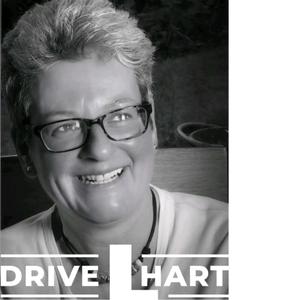
Hello, my name is Judy Clayton.
00:00:02.240 --> 00:00:04.320
I'm one of the directors of Drive Heart.
00:00:04.480 --> 00:00:16.719
And this morning we're going to talk about managing test-related stress, particularly for those PDIs who are on their route up to a part three, or ADIs who are approaching a standards check.
00:00:17.120 --> 00:00:27.280
Many people have asked what actually causes the kind of level of stress and anxiety that actually causes people to really freeze in the instructor seat.
00:00:27.519 --> 00:00:56.560
And simply there's an awful lot of academic literature which shows that when you get into that high state of anxiety and your sort of self-disbelief that you can get cognitive overload, one thing you can do to help yourself is to put together a plan well in advance of your test so that you can actually identify and work with your mind and body to actually overcome that anxiety and stress.
00:00:56.880 --> 00:00:59.759
So, what are we talking about in terms of a plan?
00:00:59.920 --> 00:01:06.799
Well, it very simply is that when you know you're coming up for a test, is start to use a reflective log.
00:01:07.280 --> 00:01:15.040
Just think what kind of physical and mental reactions do you get when you start doing mini mocks or tests?
00:01:15.120 --> 00:01:21.599
And it's identifying those early triggers that can be quite powerful in actually managing them down.
00:01:21.760 --> 00:01:25.840
So, for example, if you've got a reflective log, it only needs to be a small book.
00:01:26.079 --> 00:01:36.400
Write down if you're going to be doing it with your trainer, a mini mock or a full mock, is the night before, start your log and just write down what's going through your mind.
00:01:36.640 --> 00:01:37.760
How do you feel?
00:01:37.920 --> 00:01:39.280
And how does your body feel?
00:01:39.439 --> 00:01:40.400
Are you getting tense?
00:01:40.560 --> 00:01:42.000
Do you feel stressed?
00:01:42.239 --> 00:01:43.680
Are you getting anxiety?
00:01:43.840 --> 00:01:45.680
Are you getting short-tempered?
00:01:45.920 --> 00:01:48.560
And just writing down what the triggers are.
00:01:48.799 --> 00:02:01.599
And as you're getting towards the day of the test, the mini mock or whatever, is again use the reflective log and just note down how physically this is translating into your body and how it feels.
00:02:01.840 --> 00:02:23.599
And these are really important notes to make because it actually starts to identify what the triggers are for your anxiety or stress and how it is coming out in your body, really how it's making you feel, not just as a about the test, but actually as a person and how really start to think about well, how could I manage this differently?
00:02:23.919 --> 00:02:31.840
Because if you wait until the early cues become full-blown anxiety, then really you've left it too late.
00:02:31.919 --> 00:02:46.400
Because what we need to be doing is identifying what the triggers
Load full transcript
are, and then working our out away of how you can work yourself and your body into a less flight or flight type scenario.
00:02:47.680 --> 00:02:51.039
So keeping a reflective log is a good thing.
00:02:51.360 --> 00:03:04.000
Identifying the key triggers to your stress and how that physically and mentally relates, because that then gives us the information for us to start putting down what we call a reset plan.
00:03:04.319 --> 00:03:14.800
Physical cues that you might actually identify are things like anxiety thoughts, thoughts of failure, thoughts of what happens if I don't pass this.
00:03:15.280 --> 00:03:25.680
The other ones are physical cues, which might be you start shallow breathing, you're getting very rigid, you're very taut around the jaw, feeling stressed, even headaches and migraines.
00:03:25.919 --> 00:03:34.080
So spot your freeze loop, as it were, and then we're starting to think about how we can reset our body.
00:03:34.400 --> 00:03:40.159
Pace yourself by giving yourself a little bit, a couple of seconds whereby you take some deep breaths.
00:03:40.319 --> 00:03:43.680
So maybe two or three quiet deep breaths.
00:03:43.840 --> 00:04:00.080
And I use the the four box four system whereby I breathe in for four, breathe out for four, and I do that on a cycle of three or four just to get some oxygen into your system and try to breathe deeply during those breaths.
00:04:00.159 --> 00:04:04.560
And that really is giving yourself a little bit of a physical reset.
00:04:04.800 --> 00:04:14.560
Consciously drop your shoulders and maybe even get out of the car and do some just exercises before you're getting into this scenario where you're getting really, really tight.
00:04:14.800 --> 00:04:20.079
And then visually is do something by road that you've you've prepared.
00:04:20.240 --> 00:04:31.920
So it might be I'm going to do a visual scan and I'm going to put my hands in a particular position on my legs or my knees so that I'm not gripping or clenching.
00:04:32.240 --> 00:04:45.920
So, really, what this is is trying to say to your body, it's okay to feel stressed, but I'm just going to let you calm down for a second and try to reframe the negativity that's going through your mind and say, it's okay.
00:04:46.079 --> 00:04:56.720
I know what's happening, my body's bracing, and I'm trying to shift attention back to the here and now, my student next to me, and the environment around me.
00:04:56.959 --> 00:05:05.680
Very small positive steps, but if you practice them over and over again, then you start to break that cycle of negativity.
00:05:06.000 --> 00:05:21.600
The other things that you might want to consider is building your exposure to mini mocks and tests slowly over time, working with your coach, exploring these kind of cues that you can use to calm yourself down.
00:05:21.759 --> 00:05:40.560
But also talking to your coach about what prompts they can use if they're seeing this happening in you, that you work together as a team to identify sort of mini drills where the coach might say, Let's just let's just take it back a second, let's just calm down, take some breath.
00:05:40.959 --> 00:05:47.680
So these are sort of things that you have to work out with your coach when you know you're susceptible to anxiety or stress.
00:05:48.000 --> 00:05:50.720
Set out a sort of a reset plan.
00:05:51.040 --> 00:06:03.040
I would have sort of time zones, so before your test the night before, because a lot of anxiety comes from your pre-thoughts and how you address getting into a test scenario.
00:06:03.360 --> 00:06:20.000
And then building those time frames, those mini actions up from half an hour before the test, when you get before the exam, during the test, and during the debrief session, what am I going to do that's going to enable me to gain some control and composure?
00:06:20.240 --> 00:06:41.600
So the other thing that's quite useful is if you feel yourself going into this silence where you're not actively engaged with the student, where you've gone into sort of the first stages of freezing up, is have a number of questions or prompts that you might use, forcing your body to say, no, no, this is okay, I can talk to my student.
00:06:41.839 --> 00:06:49.279
So let's take a breath, no rush, is uh let's secure the car first if you're pulling over to have an unpack.
00:06:49.920 --> 00:06:56.800
And and really start using your environmental scanning and verbalizing more.
00:06:56.879 --> 00:07:04.079
So this is actually engaging your mind and your body in the activity of supporting the student and environmentally scanning.
00:07:04.319 --> 00:07:11.839
But the first thing is that you have to really recognise that you have got the issue of anxiety and possibly freeze.
00:07:12.079 --> 00:07:13.199
There are four factors.
00:07:13.279 --> 00:07:53.680
The first one is recognize that you have this issue and that it will take an effort to develop a reset plan that you're comfortable with and you can do well in advance of your exam so that you can start practicing, and that you're able to discuss that plan with your coach and trainer so that they can actively get involved in helping you and supporting you with prompts and cues during your challenge or mock sessions with them, and that you can do that on a slow immersion level, so don't go into full mocks, maybe do 15 or 20 minutes and then reset and then see how you build your resilience up.
00:07:53.920 --> 00:07:59.199
So it's important to discuss your plan and what you expect your coach to help you with.
00:07:59.439 --> 00:08:04.000
And it's also really important to practice your reset plan well in advance.
00:08:04.160 --> 00:08:07.759
If you try to do this on the day of your exam, it's too late.
00:08:07.920 --> 00:08:15.279
You've not given your mind or your body time to understand that there is another way of doing things other than going into flight.
00:08:15.600 --> 00:08:21.199
And you've really got to remember one thing that these kind of emotional responses are completely natural.
00:08:21.600 --> 00:08:22.720
It's not a problem.
00:08:22.879 --> 00:08:30.399
It's a case of understanding that it is a completely natural reaction from your mind or body, and you have to work with it.
00:08:30.480 --> 00:08:40.080
And it's almost doing like a bit of a gym exercise with your mind and body, just getting it used to working in a different way rather than going into full-blown flight.
00:08:40.240 --> 00:08:58.799
So I would say three or four months before an exam, you start on this route where you identify what your triggers are, you put together a plan, and you're working with your coach to try to overcome that anxiety and fear, and at the same time building your resilience through these mini mocks.
00:08:59.200 --> 00:09:10.879
There is a whole host of uh academic thought on the value of things like regulated breath works to help with anxiety, which we'd encourage you to read about.
00:09:11.120 --> 00:09:12.559
So I hope this is useful.
00:09:12.639 --> 00:09:16.320
Uh, and as always, get in touch with us if you want to discuss it further.
00:09:16.639 --> 00:09:17.360
Thank you.