
► Tell us about you and your podcast
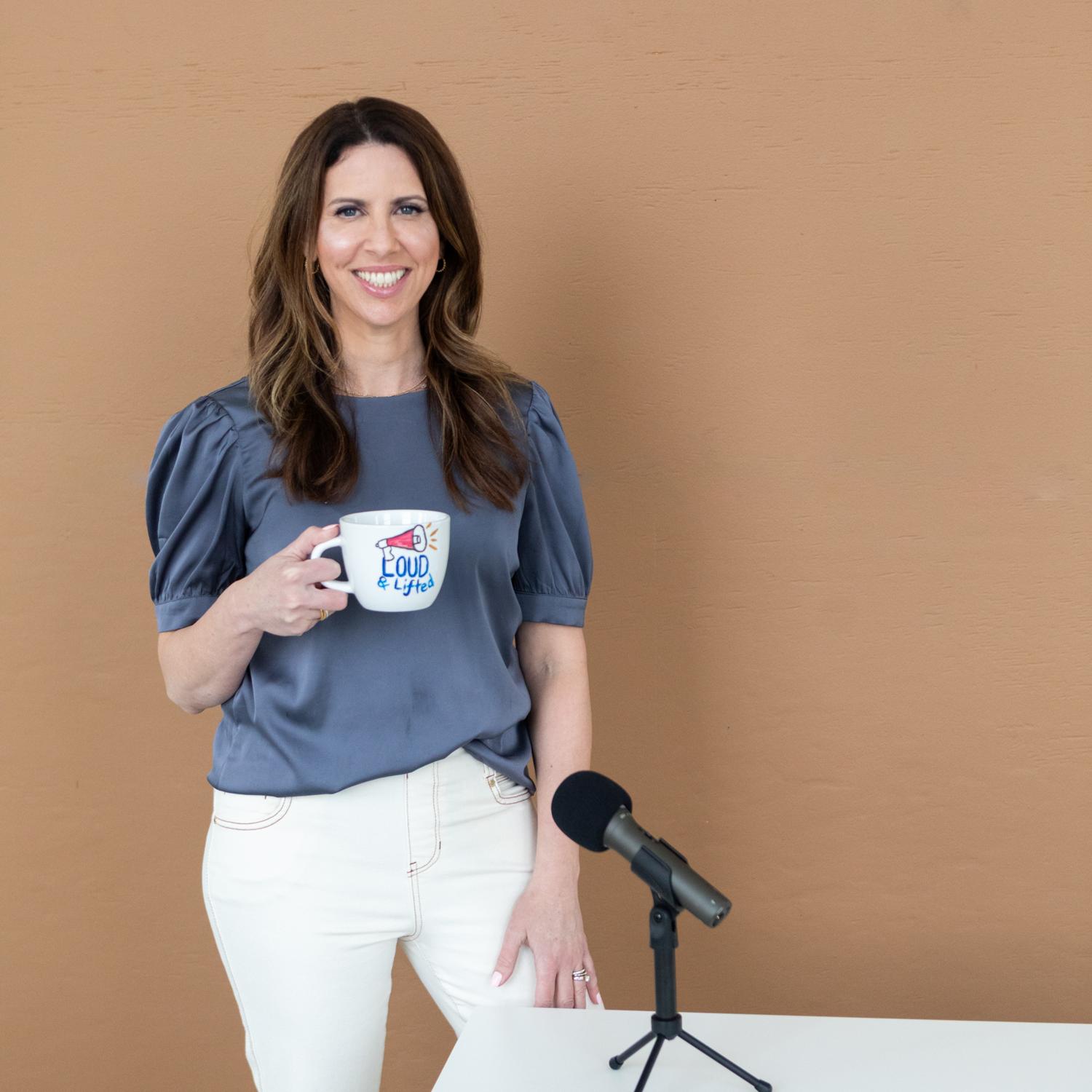
Hi, I’m Betsy Hamm — a former CEO turned growth strategist and leadership coach. After spending years leading and scaling a fast-growing franchise brand, I left corporate leadership to build Betsy Hamm Lifted Studio and expand the work I care most about: helping women lead with confidence, clarity, and real influence.
My podcast is Loud & Lifted, a show for women in leadership and women building big careers (and businesses) without losing themselves in the process. Each episode features honest, actionable conversations with founders, executives, authors, and experts on topics like leadership development, confidence, executive presence, communication, career growth, and navigating the messy middle of ambition.
It’s equal parts strategy + real life — less “perfect advice,” more “here’s what actually works.”
My listeners are primarily women (roughly mid-career to senior leaders, plus ambitious early-career women) who want to grow their confidence, sharpen how they show up at work, and move into bigger opportunities. Many are managing teams, navigating corporate politics, stepping into new leadership roles, or building businesses — and they’re looking for practical tools, relatable stories, and the kind of perspective that makes them feel both seen and challenged (in a good way).
► Why & how did you start this podcast?
I started Loud & Lifted because I wanted to change the conversation around women and leadership in a way that’s honest, practical, and actually useful.
After spending years as a senior leader in a male-dominated industry, I realized something important: the “boys club” wasn’t the biggest issue. The bigger challenges were happening among women — we often don’t have the confidence to be as ambitious as we want to be, and too often we compete instead of supporting each other. I wanted to be a positive, no-fluff voice that helps women lead stronger, take up more space, and build each other up while doing it.
Podcasting felt like the best format for that impact; real conversations, real stories, and actionable takeaways people can use immediately. I’ll be honest: I’m not a heavy podcast consumer. But I am a big believer in learning through conversations, and I knew this could be a powerful way to reach women beyond a single room, workshop, or company.
My motivation was simple:
- create a platform that helps women grow confidence and leadership skills
- spotlight women who are doing it well (and doing it imperfectly)
- normalize support, mentorship, and “women lifting women”
- make professional life better for this generation and the next — especially because I have two teenage daughters watching what leadership looks like
I started the podcast after leaving my CEO role in January 2025, when I finally had the space to build it the right way. From the decision to launch to releasing the first episode took a few months.
► How'd you find the time and funding to do this podcast?
Loud & Lifted is 100% self-funded. I’ve kept costs intentionally lean, and I’m lucky to have a friend who helps with editing/producing and social media, which makes a huge difference.
Release cadence: I release weekly. Every other week is a guest interview followed by a brief 10 minute recap episode the following week.
Time to produce an episode: Recording is the easy part — the real time investment is prep, editing, writing show notes, and promotion. On average, an episode takes several hours end-to-end, but having support on the back end keeps it manageable.
How I find the time: I built the podcast after leaving my CEO role, and now I run it alongside my consulting and coaching work. The key has been treating it like a real operating rhythm — batching recordings, using simple templates for prep and show notes, and keeping the process repeatable instead of reinventing it every week.
Cost / funding: I keep expenses low (hosting, basic tools, and promotion), and yes — I fund it myself. My bigger goal is to scale it thoughtfully over time with sponsorships and partnerships.
Ultimately, I don’t see Loud & Lifted as “just a podcast.” It’s becoming a platform — one that supports my public speaking, women-in-leadership workshops, and bigger conversations that help women grow their confidence and support each other more.
► What do you gain from podcasting?
Right now, there's no podcast revenue at the moment — but I’d absolutely love to bring on the right sponsors as the show continues to grow.
Even without sponsors, podcasting has been a big win for me in a few ways:
- Impact + mission: It lets me reach women at scale with practical tools and real conversations about confidence, leadership, and career growth
- Relationships: I’ve built genuine connections with guests and listeners. It’s opened doors to new partnerships and a really supportive community.
- Learning + perspective: Every interview sharpens my thinking, I’m constantly learning from founders, executives, authors, and leaders who are in the work.
- Business growth: The podcast has become a strong top-of-funnel for my broader platform — public speaking, women-in-leadership workshops, and consulting/coaching work. People get to “meet me” through the show, which builds trust fast.
- Brand: It’s helped me establish a clear point of view in the women-in-leadership space and create consistent content that lives beyond social media.
► How does your podcasting process look like?
My process is structured but simple — I wanted something consistent that wouldn’t turn into a second full-time job.
Tools / setup
- Recording: Zencastr. Episodes are all virtual.
- Audio: A quality USB microphone + headphones, recorded in a quiet space.
- Editing/production: I have a trusted friend who helps with editing/producing and also supports social media, which keeps things moving and the quality consistent.
- Publishing + promo: Push through RSS. Standard podcast hosting + templates for show notes, episode descriptions, and social clips (nothing overly fancy — just repeatable). Building a community on Instagram and Tik Tok. Also have a webpage through Pod Page.
How I find guests
A mix of my professional network, referrals, and people I already follow/read (authors, leaders, founders). Linkedin, Tik Tok and Instagram when I see content that I think is relevant for my audience.
How I prepare
I start with a clear episode theme and the “promise” to the listener (what they’ll walk away with).
I research the guest’s background (their work, key ideas, stories, any relevant content they’ve shared).
I build a tight question flow with a few anchor questions + room for natural conversation.
After recording, I turn the episode into skimmable deliverables (key takeaways, quotes, and simple action items).
Interview format
We aim for 30 minutes. Quick intro of who they are and why they are here and then dive in the topic. Very conversational sounding but we have aligned on the themes / approach prior.
► How do you market your show?
Still figuring this one out! Use social media, but YouTube is growing. Just launched a new email list. More people consistently listen versus YouTube views are all over the place.
► What advice would you share with aspiring (new) podcasters?
Be patient. It’s a long game. You’re not going to launch with thousands of downloads per episode — and that’s normal.
Don’t wait for perfection. Your first episodes won’t be your best episodes. Launch anyway. You learn the most by doing, not over-planning.
Make it sustainable. Podcasting takes more time than people realize (prep, recording, editing, writing, promotion). Build a rhythm you can actually maintain.
Get clear on the “why” and the listener. If you know who you’re talking to and what you want them to walk away with, everything gets easier — topics, guests, titles, promos.
Systems > hustle. Templates, batching, and a repeatable workflow will save you. Otherwise it can quickly feel overwhelming.
Focus on connection, not vanity metrics. One great listener who shares your show is more valuable than chasing a download number you can’t control early on.
Honestly, the best resource has been talking to people who’ve been doing it longer — and doing it well. Quick conversations with experienced hosts (what they’d do differently, how they promote, what’s worth paying for) have been more useful than any “perfect” guide.