
# Ashley Dudarenok
قسمت های برتر پادکست
به روز شده:
Top podcast episodes featuring ashley dudarenok.
Florasis: How Chinese Cultural Design Became a Global Beauty Language

Florasis has turned Chinese cultural design into a global beauty language through a clear system: recognizable motifs, tactile craftsmanship, performance-led formulas, and retail spaces that let customers experience the story.
The Hangzhou brand, known in China as Huaxizi, treats culture as pr…
Perfect Diary: What China’s Digital-Native Beauty Pioneer Learned About Sustainable Growth
Perfect Diary learned that digital reach can create scale quickly, but sustainable growth needs stronger products, repeat demand, disciplined acquisition spending, and better channel economics. The Chinese cosmetics brand, part of the C-Beauty movement and known in China as 完美日记, now sits inside a …
20 Best Chinese Skincare Brands Driving the Next Wave of C-Beauty
Chinese skincare has moved decisively beyond the “affordable alternative” label. In 2025, domestic Chinese skincare brands dominate Tmall’s top 10 beauty rankings, with several surpassing international competitors in both revenue and consumer trust.
The shift reflects systematic investment in …
PROYA: How R&D and Consumer Insight Built a Chinese Skincare Leader
PROYA became a Chinese skincare leader through a repeatable commercial system: identify a precise skin concern, turn it into a science-led hero product, explain the benefit clearly on Tmall and Douyin, then improve the line with new research. Attractive packaging supports discovery, but research co…
KANS: How Douyin and Anti-Aging Science Built a Chinese Skincare Giant
KANS became a major Chinese skincare brand through a tightly connected system: Douyin created discovery and conversion, the Red Waistline concentrated demand, and peptide research gave the brand a more defensible anti-aging story.
Attractive red packaging helped recognition, but it does not ex…
CHANDO: How Science, Scale and Local Consumer Insight Built a Chinese Skincare Giant
CHANDO became a major Chinese beauty brand by building a coordinated business around affordable skincare. Himalayan ingredients gave it a recognizable identity. Proprietary research, large-scale production, digital commerce, and extensive offline distribution helped turn that identity into a mass-m…
The Peninsula Beijing: How Heritage, Craft and Technology Shape Luxury in China
The Peninsula Beijing brings together three ideas: a spacious, residential style of stay, direct access to Beijing’s cultural life, and technology that makes daily service easier to manage. At its Wangfujing address, Chinese art and craft appear in the hotel itself and in activities that take guest…
Ashley Dudarenok on China, AI & the Long Game
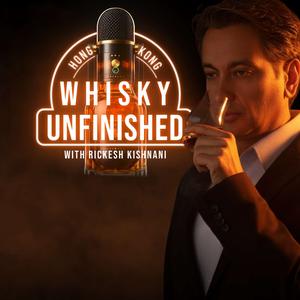
Send us Fan Mail
This episode of Whisky Unfinished is a little different.No whisky. No tasting. Just a conversation about what happens when you commit early, go deep, and let time do the work.Rickesh Kishnani sits down with entrepreneur, China digital expert and author Ashley Dudarenok to talk abou…
Rosewood Beijing: How Local Culture Became a Luxury Brand Advantage
Rosewood Beijing opened in 2014 as the brand’s first property in China. More than a decade later, it remains one of the clearest examples of how a luxury hotel can use local culture as a commercial strategy rather than a decorative layer.
The property sits in Chaoyang District, across from the…
Bulgari Hotel Beijing: Bvlgari’s Luxury Brand Extension
Bulgari Hotel Beijing brings Italian design, destination dining and attentive service to a riverside setting in Beijing’s Chaoyang district. Officially styled Bvlgari Hotel Beijing, and known in Chinese as 北京宝格丽酒店, the property has 119 rooms and suites within Genesis Beijing. Its appeal combines ac…
موتور جستجوی پادکست
می توانید از وب سایت ما برای جستجوی پادکست های3,826,486و قسمت های196,068,158بر اساس افراد، مکان ها یا موضوعات استفاده کنید.

سرمایهگذاری روی دانش بیشترین بازده را دارد؛ پس پادکست گوش میدهم.
‐ Benjamin "Llamacorn" Franklin
ویرایش
از کمک شما برای بروز نگهداشتن پایگاهدادههای پادکست سپاسگزاریم
