

رونوشت 🔗
WEBVTT
00:00:00.080 --> 00:00:08.000
From a values point of view, you're looking at whether there is an impact based on evidence in the market, which is quite hard to get your hands on, actually.
00:00:08.320 --> 00:00:12.320
The risk of doing nothing means it is able to slip from the rest of the pack.
00:00:12.560 --> 00:00:18.480
You'll certainly have a um an issue in terms of um the promise that someone is prepared to pay for that building.
00:00:18.559 --> 00:00:25.679
And and then I I think the other factor is uh um the cost of finance for buildings that don't have a clear plan as well, I think.
00:00:26.000 --> 00:00:29.440
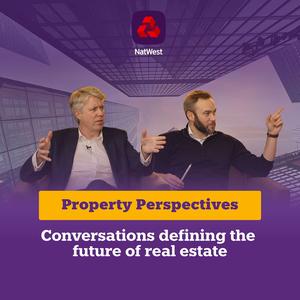
Hello and welcome to another episode of Property Perspective from Matt West.
00:00:29.679 --> 00:00:31.760
I'm Ashituly, I'll be your host today.
00:00:31.920 --> 00:00:36.719
Uh I'm joined today by Ken Mustafa, an independent property investor.
00:00:36.960 --> 00:00:37.200
Yes.
00:00:37.280 --> 00:00:41.280
Uh and Tyrin Hodge, who is global head of risk advisory at Jones Lang LaSale.
00:00:41.600 --> 00:00:42.399
Thank you very much, guys.
00:00:42.479 --> 00:00:47.920
We're here to talk about um the impact of sustainability on your portfolio and and valuations.
00:00:48.079 --> 00:00:49.039
So let's get into it.
00:00:49.200 --> 00:00:57.439
Uh Ken, maybe if we could start with you, if you'd give us a brief overview of your property assets and maybe how you think about sustainability in that context, that'd be great.
00:00:57.759 --> 00:01:06.319
So our portfolio is uh retail with a residential mix above on some of the portfolio.
00:01:06.560 --> 00:01:16.959
And we have a mix of some industrial together with um um some out-of-town retail, which we regard more like an industrial style building.
00:01:17.040 --> 00:01:21.359
So we've got a mix of units um that we develop as well.
00:01:21.439 --> 00:01:27.760
So we design and build above them, or we we we um alter the buildings to add value.
00:01:27.920 --> 00:01:34.560
So that's our primary um the property company's primary role um through development, add value.
00:01:34.959 --> 00:01:35.200
Great.
00:01:35.359 --> 00:01:39.359
And when you're thinking about sustainability with those assets in mind, how how do you go about it?
00:01:39.599 --> 00:01:51.040
So yeah, it comes up quite a lot nowadays, and and the uh the main drive is at development, um at the point of development or a change of tenant.
00:01:51.120 --> 00:01:57.599
It's a good time to take something sustainability into account at that point because the investment's going to go in.
00:01:57.840 --> 00:02:02.000
So um from that design point of view, yeah, we're very interested.
00:02:02.239 --> 00:02:09.919
And EPC ratings, although you know they were once not particularly considered to be important, I think they're becoming more and more important.
00:02:10.000 --> 00:02:11.360
And I think the bank can see that.
00:02:11.680 --> 00:02:12.479
Yeah, absolutely.
00:02:12.639 --> 00:02:14.479
I mean, let's
Load full transcript
step away from the assets a sec.
00:02:14.719 --> 00:02:22.560
I mean, maybe if we go to you Tyran and talk about how um sustainability kind of integrates itself into the valuations or if it does at the moment.
00:02:22.800 --> 00:02:23.439
Yeah, sure.
00:02:23.680 --> 00:02:24.560
Thanks, Ash.
00:02:24.719 --> 00:02:32.479
Um, I I think it's important to to sort of separate sustainability into its impact on value, and we're not actually valuing sustainability.
00:02:32.719 --> 00:02:36.879
So from that perspective, in terms of valuation principles, nothing's really changed.
00:02:37.039 --> 00:02:48.319
So what's important for for valuation is uh tenant demand or or demand for you know product if you're selling uh individual units, for example, and the net operating income.
00:02:48.479 --> 00:03:08.000
So if you just break it down to those two components, um from a valuation perspective, uh if you've got a more marketable um proposition or property, uh so if it's retail that that is um low cost for the tenant in terms of their their operating costs, if they're paying the outgoings, that's more attractive than uh than a building that that is not.
00:03:08.240 --> 00:03:12.080
Uh from a residential perspective, um same same thing goes.
00:03:12.240 --> 00:03:25.120
If you have um a build-to-rent product where you're copying the the uh operating costs in the in the building, you in terms of the base building, you obviously want to make sure that your energy costs are uh are low.
00:03:25.280 --> 00:03:38.319
Um and you also want to ensure that that the energy is managed, for example, from the tenant perspective, because um, as Ken said, you know, EPCs are starting to become more important, and then that that impacts on your demand side.
00:03:38.560 --> 00:04:01.759
So um I think the valuation fraternity has been a little uh over overwhelmed with what does sustainability mean in terms of value, and and I would suggest that it really doesn't change anything because um we need to be making adjustments in terms of the marketability, uh the operating costs, um, and also any capex that might be coming up in order to reposition a building.
00:04:02.080 --> 00:04:02.639
Yeah, absolutely.
00:04:02.719 --> 00:04:04.000
I mean let's just stick on that for a second.
00:04:04.080 --> 00:04:09.599
So you're talking, Ken, about tenants um and and the demand drivers around sustainability.
00:04:09.680 --> 00:04:14.800
So what sort of things are your tenants saying to you when they're coming up for lease renewals or new lease?
00:04:15.439 --> 00:04:19.279
Yeah, so um not too much to be honest, actually.
00:04:19.439 --> 00:04:23.360
So we don't we we we at least renewal.
00:04:23.439 --> 00:04:34.240
So for commercial property, what we don't find is that tenants are approaching us at least renewal times and saying, well, you know, we want a more sustainable building.
00:04:34.480 --> 00:04:38.879
But I know it has an impact at rent review and at least renewal times.
00:04:39.040 --> 00:05:04.800
Um and there is an impact when it comes to service of notices, so any good surveyor that deals with rent review work will probably bring to their client's attention uh uh uh the the the the investor that maybe they have to look at sustainability, EPC ratings, etc., at the point just before those those lease renewal negotiations and rent review negotiations.
00:05:05.199 --> 00:05:07.680
Again, it comes down to market evidence, doesn't it?
00:05:07.839 --> 00:05:17.040
So um from a valuers point of view, you're looking at whether there is an impact based on evidence in the market, which is quite hard to get your hands on, actually.
00:05:17.199 --> 00:05:19.600
So I think that's that's not really there.
00:05:19.759 --> 00:05:34.319
But from a development point of view, from the point of view of taking an asset, converting that asset, you want to make it as good as you possibly can to attract the best quality tenant um in terms of whether it's residential or not, actually.
00:05:34.560 --> 00:05:54.879
Um but I think that that uh where in the last year or so we've we've spoken to covenants and covenant strength tenants, they really are interested and and they they do tell you what they want at that point in time, but not not really at that the negotiation stage whilst they're in the building.
00:05:55.360 --> 00:06:07.120
So is it fair to say there's a bit of a disparity between larger, more complex tenants who maybe have other external drivers around sustainability and smaller tenants who are maybe driven by more kind of economics?
00:06:07.279 --> 00:06:11.439
Yeah, I mean I mean in our portfolio, most of our tenants are covenant-driven.
00:06:11.680 --> 00:06:23.279
Um but if you have um smaller units where the tenant quality is sort of more local, they're not that particularly interested actually.
00:06:23.519 --> 00:06:26.800
But if you could explain to them what you're giving them, I think they would be.
00:06:26.959 --> 00:06:29.199
And they certainly do understand cost.
00:06:29.920 --> 00:06:37.279
So if you can show cost if it's a complicated thing to do, in in actual fact, to show someone they're going to save money.
00:06:37.519 --> 00:06:48.959
Um we've we've managed to get B's, we haven't managed to get A ratings on flats, for example, and tenants have moved in and and said, you know, you're not that they're not saving, or they don't know how to save.
00:06:49.040 --> 00:07:00.399
Or uh I think that that a lot more work has to be done from a design stage to make sure that if you have a B rating, it does filter through to a cost saving.
00:07:00.560 --> 00:07:00.879
Yeah.
00:07:01.120 --> 00:07:04.079
And I don't think that's as easy to do as as it might sound.
00:07:04.240 --> 00:07:20.319
Um it's something that because we we we have um an in-house design part of our business, so we are for looking very closely at our next development and how it's going to filter through to a cost saving to a
residential tenant, for example.
00:07:20.720 --> 00:07:22.720
I'll probably just pick pick up on something there, Ken.
00:07:22.879 --> 00:07:24.959
So we talked about you talked about EPCs.
00:07:25.120 --> 00:07:26.319
I'd be really interested, Tiny.
00:07:26.560 --> 00:07:32.800
And when you're looking at the valuation, um EPCs can be, by their nature, a bit binary.
00:07:32.879 --> 00:07:34.800
So do you look beyond that and outside that?
00:07:34.879 --> 00:07:36.399
And if you do, kind of what do you look at?
00:07:36.800 --> 00:07:43.680
Yeah, I think um I'll sort of go back to something that Ken said a minute ago, which was on the demand side.
00:07:43.759 --> 00:07:49.279
So um if you think about let's just talk about office markets for just a minute.
00:07:49.600 --> 00:07:58.160
If you look at the large corporate tenants, um most now have corporate objectives and statements around ESG.
00:07:58.720 --> 00:08:05.920
So that means that they will gravitate towards buildings that actually meet that requirement.
00:08:06.000 --> 00:08:10.000
Um and and a a case in point is is JL where I work.
00:08:10.079 --> 00:08:16.720
So, you know, when we're in the process of um uh moving next year into a building down here in sort of Bishopsgate.
00:08:16.800 --> 00:08:25.040
So that building um has a whole bunch of uh attributes that that meet the corporate objectives of of JL.
00:08:25.439 --> 00:08:33.519
So, you know, it it gets harder to uh attract those types of tenants if if you're not able to meet the requirements.
00:08:33.600 --> 00:08:38.720
And I think um that also will become more important at the at the renewal stage.
00:08:38.879 --> 00:08:48.559
And we are starting to see some transactions around renewal where there might be um perhaps a pathway put in place uh with the the landlord.
00:08:48.639 --> 00:09:00.480
So it will be look, we'll stay in place as long as we can see you have a a pathway to um meet uh improved sustainability targets, which could be you know improved energy efficiency and EPCs and so on.
00:09:00.639 --> 00:09:09.759
Um often referred to as green leases, um sometimes with get out clauses, uh if those objectives or targets, KPIs, whatever you want to call them, aren't met.
00:09:09.919 --> 00:09:23.519
Um so again, from a valuation perspective, that's a good thing and a bad thing because you obviously retain the tenant, but there's a risk that that tenant break exactly if if you're not able to um to to meet those KPIs.
00:09:23.600 --> 00:09:37.679
And I think that in terms of the whole then ecosystem of of players in that in that space, which would be the owner, the tenant, and quite possibly the lender, is everyone's got to be aligned around that that pathway to actually reposition that building.
00:09:37.759 --> 00:09:38.960
So um Yeah, absolutely.
00:09:39.200 --> 00:09:45.759
Uh I think your original question was um what what factors do EPCs play in the uh in in that.
00:09:45.919 --> 00:09:50.080
I I guess
I've sort of given you a bit of a twist on the answer, but it's important.
00:09:50.320 --> 00:10:08.480
Um and so from a valuation perspective, it's not so much the you know what what's the EPC rating, because as you say, it's it's it doesn't really represent um uh a full picture of of sustainability attributes, it's just one thing relating to energy performance.
00:10:08.720 --> 00:10:16.720
So um it's it's we would look at it and say, well, how attractive is that building going to be in terms of keeping or finding new tenants?
00:10:16.879 --> 00:10:26.879
Um and if it's sitting at uh at at one level, what what does it need to get to and what's the cost of getting it there in order to hold value up?
00:10:27.200 --> 00:10:35.440
And and maybe a little later you might ask me a question about uh what happens if you do nothing in in in that case, um, you know, is there a premium or a discount?
00:10:35.519 --> 00:10:37.600
So we can get into that very surely.
00:10:37.679 --> 00:10:37.759
Yeah.
00:10:37.840 --> 00:10:41.360
So Ken, I'd just like to pick up on some of the stuff around timing, if I could.
00:10:41.440 --> 00:10:49.440
So so how do you think about um I guess the cost implication and the timing implication of of making adjustments to the buildings?
00:10:49.919 --> 00:11:07.200
So if I go back to something maybe that we had completed in 2018-19, um when our focus wasn't uh um as much on the EPC ratings or the sustainability of the building, so very simple development.
00:11:07.360 --> 00:11:18.080
Um we've already allocated to improve that building after sort of four or five years of refining what we're doing in our portfolio.
00:11:18.399 --> 00:11:25.759
So we certainly do look at um, I mean, it's not really older stock, it's it's a few years old if you think about it.
00:11:26.000 --> 00:11:48.320
So it was new at the time, or or we had refurbished and made the upper parts brand new, and um, and um, and we've allocated um uh a fund uh to improve that building, to improve the EPC rating, but also to give the occupiers um uh a more cost-effective solution than what they've got right now.
00:11:48.480 --> 00:11:58.879
So I think that e and that's what that's why our next development will potentially have a longer life in terms of its design and its configuration.
00:11:59.200 --> 00:12:06.960
Um that's what we're looking at um in our design because we're we're the internally designing, so we can do that um in real time.
00:12:07.279 --> 00:12:08.639
Uh and that's what we're doing.
00:12:08.799 --> 00:12:36.399
So um, yeah, I think that that a port I think that that to keep your portfolio at a valuation that you you know to promote valuation, to give yourself um uh because it's quite difficult these days, especially the way interest rates have increased, yields have have jumped, um, and it was gonna happen, um, to improve value, which is the whole asset valuation job.
00:12:37.440 --> 00:12:43.039
My role would be as a director of of
of a portfolio to improve value.
00:12:43.279 --> 00:12:50.399
So, so um, and and and I think that sustainability can now come into that, which it didn't before.
00:12:50.559 --> 00:12:56.159
And I think that from a valuation point of view as a as a valuer, you're looking at that and you're looking at the lease renewable.
00:12:56.320 --> 00:13:05.919
In actual fact, you said something fairly important that there comes a time when if you're expecting a landlord to invest, that has an impact on the capital value of the building, doesn't it?
00:13:06.159 --> 00:13:12.240
Well, that's um so I'm gonna come back to some of those points, but um, the point that you kind of finished on last time would be good to just pick up.
00:13:12.320 --> 00:13:14.320
So the kind of the risk of doing nothing.
00:13:14.799 --> 00:13:20.320
So yeah, how how do you how do you look at that from the perspective of a a kind of professional advisor to industry?
00:13:20.720 --> 00:13:26.000
I think so we we we are starting to see, so if I go back to valuation principles, I mean it's all about where's the evidence.
00:13:26.159 --> 00:13:52.559
So um we're starting to see evidence not all in one place, so we're but we're seeing you know a global pool of transactions, particularly around, say, capital transactions, so sales, um, but also leasing transactions across all sectors that are starting to demonstrate that there there is a uh a discount um particularly in terms of um if we just talk office buildings because that's probably the easiest example.
00:13:52.720 --> 00:14:03.039
So if you own an office building that is slipping away from where the demand is, and you don't have a plan in place to reposition that building, and it just simply think of it as obsolescence.
00:14:03.200 --> 00:14:04.559
You know, it's nothing you have from that, right?
00:14:04.639 --> 00:14:06.480
It's just uh becoming obsolete.
00:14:06.799 --> 00:14:15.519
So for buildings that are being put to market without a clear plan to reposition those buildings, there is absolutely a discount uh in terms of the transaction.
00:14:15.919 --> 00:14:24.159
Uh there are fewer um buyers that are willing to take an unknown step where they don't have a plan.
00:14:24.240 --> 00:14:32.000
Um, and the buildings that do have a plan tend to try transact because there are various players in the market that are looking to reposition assets.
00:14:32.240 --> 00:14:36.720
Um from a tenant perspective, we're starting to see something similar.
00:14:36.799 --> 00:14:46.639
Uh in fact, we've we've just been working with one particular um logistics tenant who was looking at their renewals across the the properties that they occupy.
00:14:46.879 --> 00:14:58.720
And their position was it's from a sustainability perspective and and that that sort of the broader context of um you know not just building new buildings, for example, but being able to reposition.
00:14:59.039 --> 00:14:59.840
Yeah, absolutely.
00:15:00.240 --> 00:15:14.559
They they actually had a look at what would happen to the value of the properties that they occupy if they were to uh stay, leave, or uh work with the the owners to actually make some improvements to the building, which would mean that they would stay.
00:15:14.799 --> 00:15:24.639
Um so what all of that means is is that um the risk of doing nothing means that you start to slip from the rest of the pack for those who are.
00:15:24.960 --> 00:15:29.919
So your you know, your your rental uh renewals are are at risk.
00:15:30.080 --> 00:15:53.679
Um the amount of rent that you can uh charge may not be at a premium, but again, you'll see you possibly see discounts, and we start to see that um you'll certainly have a uh an issue in terms of um the price that someone is prepared to pay for that building so they'll make an adjustment in terms of the you know the return that they require, which means you know there's an adjustment around cap rate.
00:15:53.759 --> 00:16:02.879
Um and and then I I think the other factor is uh um the cost of of finance for buildings that don't have a clear plan as well.
00:16:03.039 --> 00:16:09.759
I think um there's risk from a lender's perspective uh that is starting to appear in the market as well.
00:16:09.919 --> 00:16:13.679
Is um you know, so you it it's more expensive to finance it, whether it be debt or equity.
00:16:13.919 --> 00:16:14.240
Yeah, absolutely.
00:16:19.440 --> 00:16:19.600
Yeah.
00:16:19.679 --> 00:16:21.919
Um and it was I think the slip will happen quicker, right?
00:16:22.320 --> 00:16:24.080
The slip will happen quicker than the premium.
00:16:24.159 --> 00:16:26.960
So to stay in the game, you've got to be playing the right game.
00:16:27.200 --> 00:16:27.600
Absolutely.
00:16:27.919 --> 00:16:29.840
Ken, if I could just come back to you on some of that.
00:16:30.000 --> 00:16:39.279
Um so when you are thinking about uh thinking about making uh sort of captain investment into some of the buildings, do you ever think about the risk of not?
00:16:39.360 --> 00:16:46.240
So if do you ever say, okay, well, if I didn't invest, I you know I would follow this path, or is it just actually I want to improve my building and keep it sustainable?
00:16:46.480 --> 00:16:53.200
Yeah, I think I think that that we are an active we're we're very active in improving the portfolio.
00:16:53.759 --> 00:16:56.240
Um I think you have to be these days.
00:16:56.480 --> 00:17:00.320
I think the days are gone where values just rise willy-nilly.
00:17:00.399 --> 00:17:07.119
And I think that tenants, especially commercial tenants and covenanted tenants, are very well advised.
00:17:07.200 --> 00:17:11.039
And you know, they're they're chipping away at the rents if they can.
00:17:11.440 --> 00:17:20.880
Um that you know, if they've got a good rent review value or a surveyor that's acting for them, you know, they can they can decimate the value of your asset.
00:17:20.960 --> 00:17:30.160
And I think that
um, you know, yeah, I think these days if you're a commercial property investor, um, it's become even more it's a specialised subject.
00:17:30.240 --> 00:17:35.359
I mean, there's so many resi resi guys out there that couldn't get into the game.
00:17:35.599 --> 00:17:41.279
And I think that sustainability um it's a broad word sustainability, actually.
00:17:41.440 --> 00:17:44.559
So when we say that very broad judge, you know, what does it mean?
00:17:44.640 --> 00:17:46.799
Um I mean, what are we talking about really?
00:17:47.039 --> 00:17:55.440
Um but but it's not EPC, it's um I mean in sustainability and construction, for example, is where does the timber come for us, right?
00:17:55.839 --> 00:18:00.640
You know, when we're talking sustainability for an occupier, it's a very different subject.
00:18:00.799 --> 00:18:03.599
A resi occupy is different to an industrial occupier.
00:18:04.079 --> 00:18:09.759
Um but my view is and my background is property from through and through, isn't it?
00:18:10.000 --> 00:18:20.559
So um, so so I'm a technician too, so um, so we we have I have a view that that we are looking at the portfolio uh to improve it.
00:18:20.640 --> 00:18:23.440
Um I'm a bit concerned about review times.
00:18:23.680 --> 00:18:37.279
Um they do pose a big part of uh of this problem that's coming along that not many many uh investors know about, and if they have good advisors, they should ask the question.
00:18:37.440 --> 00:18:59.359
It comes up in a lot of CPDs and and uh um uh the question has come along in the last year or so where you know how do you do a rent review where there's a break option coming up and uh the building has a very low rating, uh and or there's a break option coming and it really poses some issues.
00:18:59.599 --> 00:19:14.079
So I think it's it's important if you're running a commercial portfolio, um, that you are allocating time to uh regular um assessments of that portfolio, annual assessment, yeah, which you would never do before.
00:19:14.240 --> 00:19:16.160
You wouldn't even assess a building in ten years.
00:19:16.319 --> 00:19:32.079
I think um and Kim, there's a there's probably a strategic question now that a lot of fund managers need to ask themselves, and that is there may be some buildings in the portfolio that are probably perfectly positioned where they are where you don't have to spend a lot because you've got a particular tenant profile.
00:19:32.240 --> 00:19:44.240
But if that doesn't match your overall corporate strategy, um I I I think we'll start to see, you know, fund managers or asset managers question whether they want to keep those buildings in the mix.
00:19:44.640 --> 00:19:47.519
And it might be, well, are we better off to sell that building now?
00:19:47.599 --> 00:19:55.759
Yeah, uh and maybe redeploy it into the ones that are a better fit, or perhaps, you know, go in and invest that capital in something else that we're trying to grow.
00:19:55.839 --> 00:19:57.039
So
Yeah, you're absolutely right.
00:19:57.119 --> 00:19:58.240
I was a doubt or whatever.
00:19:58.559 --> 00:20:02.720
I said I I was gonna get to the point where you might say, well, it's time to dispose of the asset.
00:20:02.880 --> 00:20:16.880
If it's if it's time for it, for it, or if you're changing your portfolio into more, more sustainable, the word sustainable portfolio, um, you know, some of the stock you might have is is just better off redeveloped or sold off.
00:20:17.599 --> 00:20:20.079
Yeah, you know, change change your portfolio.
00:20:20.240 --> 00:20:22.319
I don't think that used to happen in the past.
00:20:22.480 --> 00:20:28.640
So, you know, people just used to stick to it and really not and I think there are still a lot of people not doing that.
00:20:29.039 --> 00:20:31.359
And that is a dangerous place to be.
00:20:31.599 --> 00:20:42.960
Um, people that get involved in commercial portfolios that are not experienced might find that they have a uh a significant loss of income stream uh and they don't know why that happened.
00:20:43.039 --> 00:20:47.839
They they they're wondering how it could have happened, yeah, and then the word sustainability comes along.
00:20:48.000 --> 00:20:51.839
So it's interesting how the banks are approaching this, yeah, actually.
00:20:51.920 --> 00:20:54.160
And that draws me to my next question quickly.
00:20:54.240 --> 00:20:55.920
But yeah, we could do a higher square jumping in.
00:20:56.000 --> 00:20:56.880
No, no, no, this is great.
00:20:57.440 --> 00:21:01.680
So, I mean, uh we could we could spend we could do a whole other podcast on uh what sustainability means.
00:21:01.759 --> 00:21:06.319
But so is is there anything in addition the bank could do to help you on your journey?
00:21:06.799 --> 00:21:09.920
So for the answers yes, please, uh what what would you like to do?
00:21:10.640 --> 00:21:19.759
I think I think your bank particularly is so interested and that that they're providing us with so much you know, you you you calculators and and things.
00:21:20.000 --> 00:21:24.160
Um I mean what what else can they do for us?
00:21:24.319 --> 00:21:37.599
I mean, I I I think that if they could give us more of a guide in what they are looking for, yeah, rather than what we do is think, you know, what you know, try to second second guess what the bank wants.
00:21:37.920 --> 00:21:41.359
You know, I do like to know what what the bank wants to invest in.
00:21:41.759 --> 00:21:48.799
You know, because you you know the bank will will will be sort of very interested in the Resi side or the industrial side.
00:21:49.039 --> 00:21:50.240
You don't tend to know.
00:21:50.400 --> 00:21:50.640
Yeah.
00:21:50.799 --> 00:21:56.000
Um but clearly I can see that what the bank is doing is saying, well, think about this.
00:21:56.319 --> 00:22:05.039
And I know I know that a lot of um investors like Like myself, who who aren't technicians aren't aren't particularly interested.
00:22:05.119 --> 00:22:06.400
They want to see their bottom line.
00:22:06.640 --> 00:22:06.799
Yeah.
00:22:08.720 --> 00:22:10.799
And I I th I think that's probably a good way to describe it.
00:22:10.880 --> 00:22:12.240
We we're we're thinking about it.
00:22:12.319 --> 00:22:20.240
And to the point that I think we're making here is if you're not on that journey, you will it'll take you a long it'll take you a long time to catch up and it'll be very expensive.
00:22:20.480 --> 00:22:22.000
So it can be, yeah.
00:22:22.240 --> 00:22:22.400
Yeah.
00:22:22.480 --> 00:22:23.920
I mean we're in the sem very similar position.
00:22:24.160 --> 00:22:30.000
Well I'd I'd think about it that the the risk that the investor is taking is the bank's risk or not anything.
00:22:30.160 --> 00:22:31.920
So I think it's about alignment of risk, isn't it?
00:22:32.480 --> 00:22:34.480
Yes, it's a pro it's just a different proportion of the risk.
00:22:34.720 --> 00:22:41.039
Yeah, you you you want to make sure that your cash flow uh is is protected just as much as the uh the owners do.
00:22:41.359 --> 00:22:41.680
Absolutely.
00:22:42.240 --> 00:22:44.799
I'll come for one final question to T Tito, if I can.
00:22:44.960 --> 00:22:52.160
So what if there's one thing that the valuation industry needs to kind of help in this journey over the next few years, what would it be?
00:22:53.200 --> 00:23:08.640
Oh that's a that's a tricky question, but uh let my my view that I'm expressing internally and to uh to the the whole cohort is um valuation is is remains exactly the same as it has always been.
00:23:08.880 --> 00:23:12.799
So I would say you need to actually dig in and understand the market.
00:23:12.960 --> 00:23:17.039
So if you're a valuer and you're listening to this, do your job properly, be thorough.
00:23:17.200 --> 00:23:24.319
Um, don't just rely on what you see on a a website that's telling you that something has transacted, dig into the detail.
00:23:24.480 --> 00:23:41.680
Uh I say to the the people that work for us, um, I always give them the story about when, you know, in the old days when I was a young person, I used to speak to people and um you speak to people, understand the detail, know what's going on, understand the structure of those leases, um, understand what's happening from a lender's perspective.
00:23:41.920 --> 00:23:49.119
Um, you know, dig in, do your job, do your research, and uh and and really it's the same job you've always done.
00:23:49.279 --> 00:23:55.680
Do you just need to analyse the components that are important to those deals and apply them um to your calculations?
00:23:56.000 --> 00:23:56.480
That's great.
00:23:56.559 --> 00:23:56.960
Thank you very much.
00:23:57.039 --> 00:24:02.240
We managed to get it through a whole session without saying the word data as well, which is obviously underpins a lot of what we're doing.
00:24:02.319 --> 00:24:03.599
But yeah, that's great, thank you very much.
00:24:03.680 --> 00:24:05.839
So, Town, Ken, thank you very much.
00:24:06.000 --> 00:24:08.480
That's it for another episode of Property Perspectives.
00:24:08.720 --> 00:24:12.400
Uh please, if you liked the episode, click like and subscribe.