

ABOUT THIS EPISODE

How did Indonesia, a place where wheat, the main ingredient of instant noodles, does not grow, become the second-largest consumer in the world and one of the top five exporters?
Instant noodles are a familiar staple for many of us, whether enjoyed occasionally or kept on hand as a pantry essential. First developed after World War II, they have since become a fixture of modern food consumption. According to the World Instant Noodles Association, global consumption exceeded 124 billion servings in 2025.
In this episode of Talking Indonesia, Dr Clara Siagian is joined by Dr Elna Tulus, who recently graduated from the University of Technology Sydney. Elna’s research traces the history of instant noodle production in Indonesia, which mapped onto the geopolitical turbulence and the aftermath of the 1965 violent purge of communism. During this period, food aid to Indonesia dropped almost to zero that year, then rose sharply from 1971, when the world’s largest wheat mill, Bogasari, opened in Tanjung Priok, Jakarta.
They also talk about the success of Indomie worldwide as part of what she calls as gastro-capitalism: a system where we labour for the food system and are also its market for corporate profits. She argues that instant noodles should be seen as an ultra-processed food: designed to be irresistible, super convenient, high in calories and low in nutrition. Their consumption can mask food insecurity where communities are continued to be lamed for eating them while overlooking the power of large corporations over what food is produced and available to buy.
Is cutting consumption enough? Listen in to hear why Elna points instead to local food and food sovereignty.
English
Australia
TRANSCRIPT 🔗
Are you the producer of this podcast?
Add a podcast transcript
Need Audio-to-Text?
Transcribe with Listen411 in Just 60 Seconds
SEARCH PAST EPISODES
Search past episodes of Talking Indonesia.
OTHER EPISODES IN THIS PODCAST
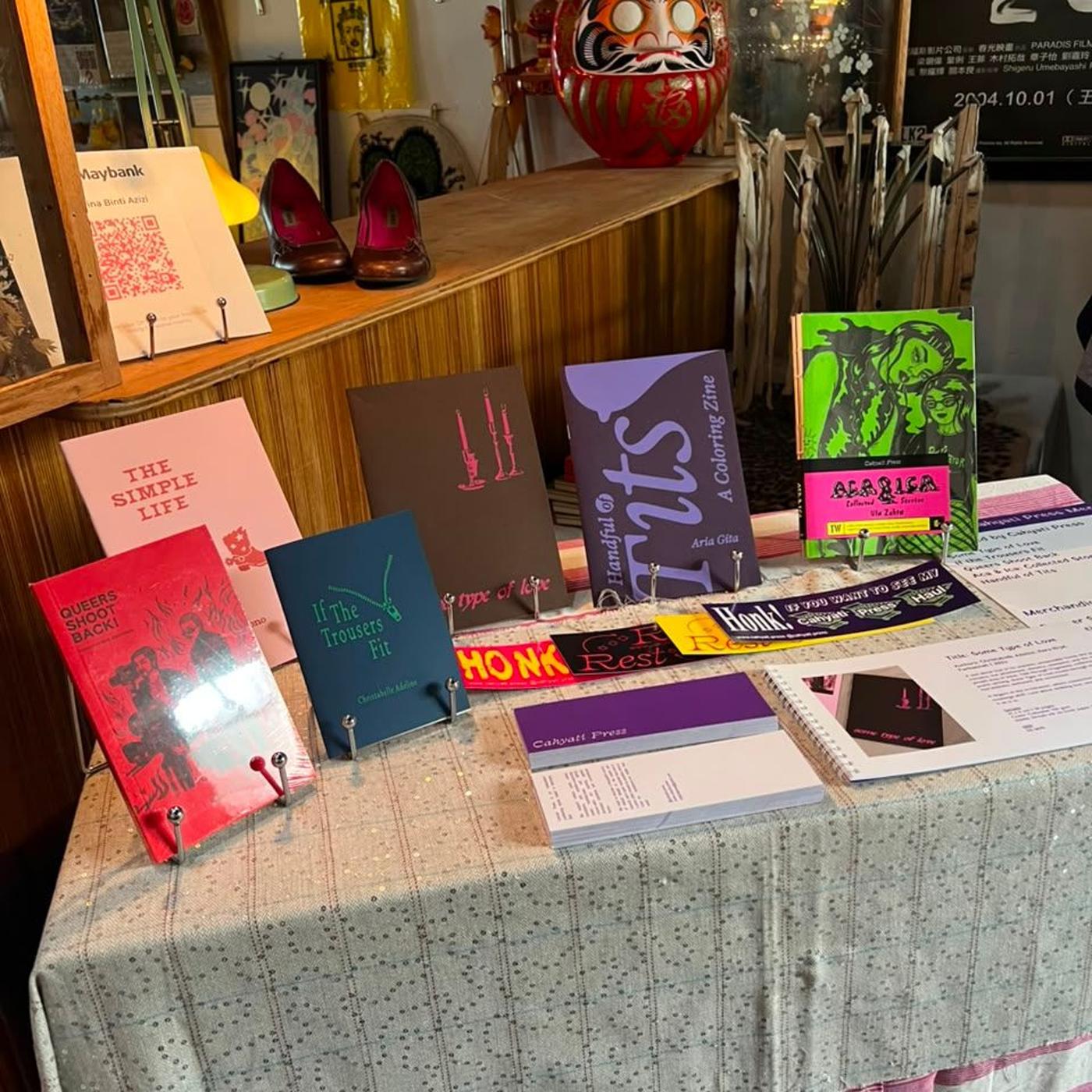
Independent publishing might seem like a small element of Indonesia’s cultural landscape: limited print runs, niche books, and audiences that rarely extend into the mainstream. Yet these spaces can matter precisely because they make room for voices, ideas, and forms of cultural expression that have…
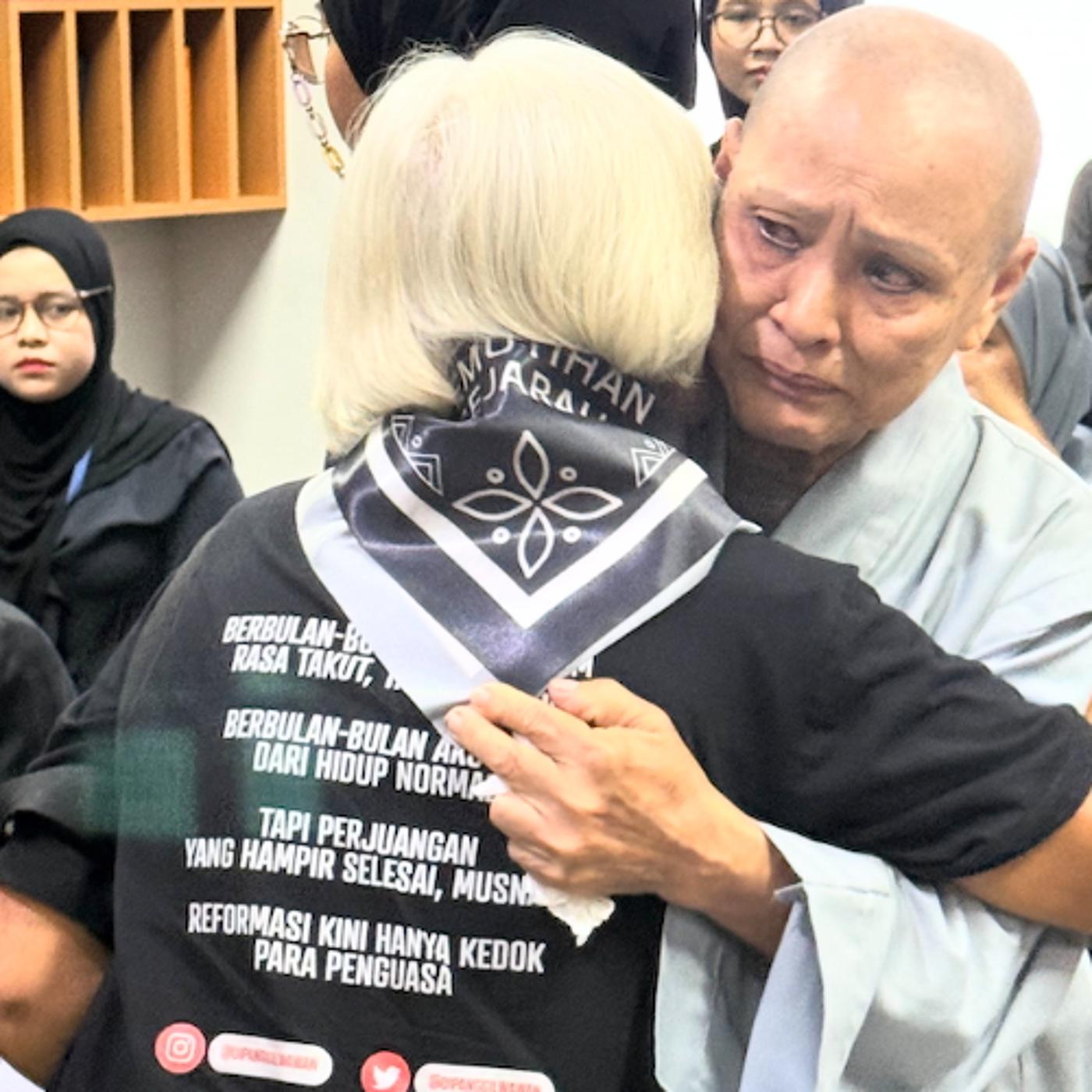
Airlangga Julio - The People versus Fadli Zon
Last month marked the 28th anniversary of the mass rioting, that shook Indonesia's capital, Jakarta, and other major cities for several days in mid-May 1998. There was widespread looting and arson, which resulted in the deaths of over a 1000 people and…
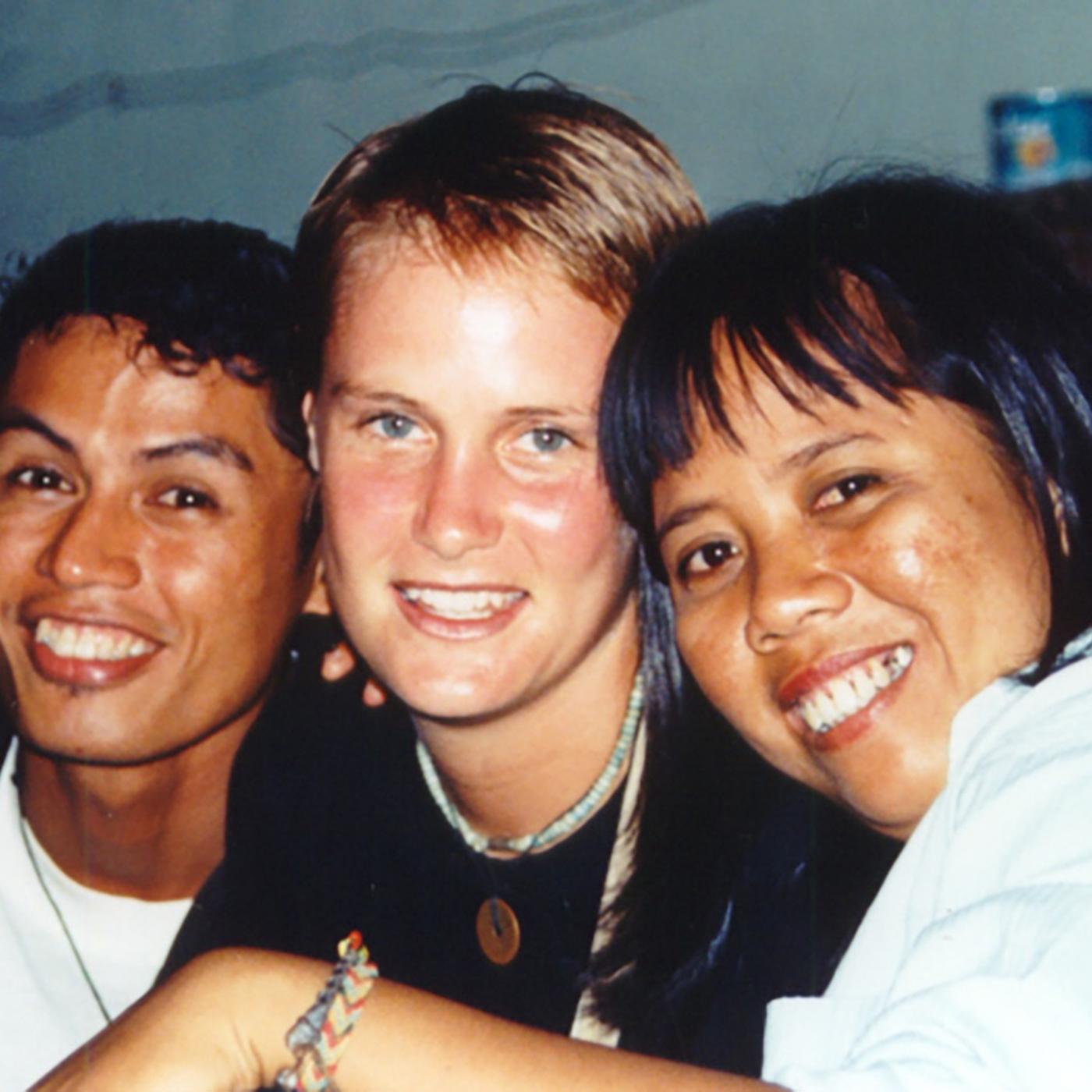
The problem of Australian knowing and engaging Indonesia, as our closest neighbour, has vexed successive Australia governments ever since Keating called for Asian literacy in the 1980s. Toward that end, we have seen intermittent policy interventions recognizing the strategic importance of what has …
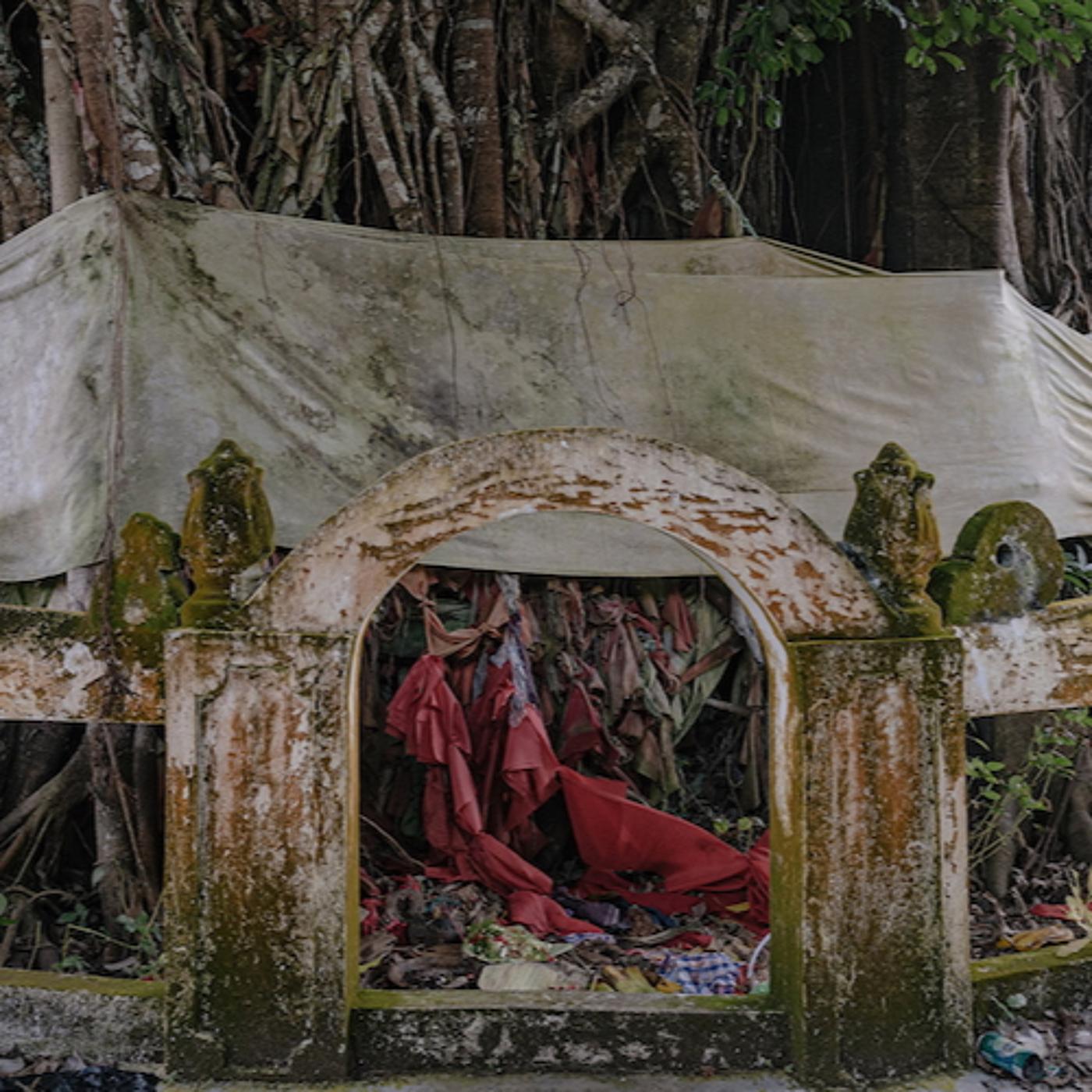
What does it mean to believe in ghosts? It turns out that's exactly the wrong question.
In this special episode of Talking Indonesia, co-hosts Tito Ambyo and Jamie Edmonds sit down together not as interviewer and guest, but as co-editors who have spent months immersed in a collection of essays on …
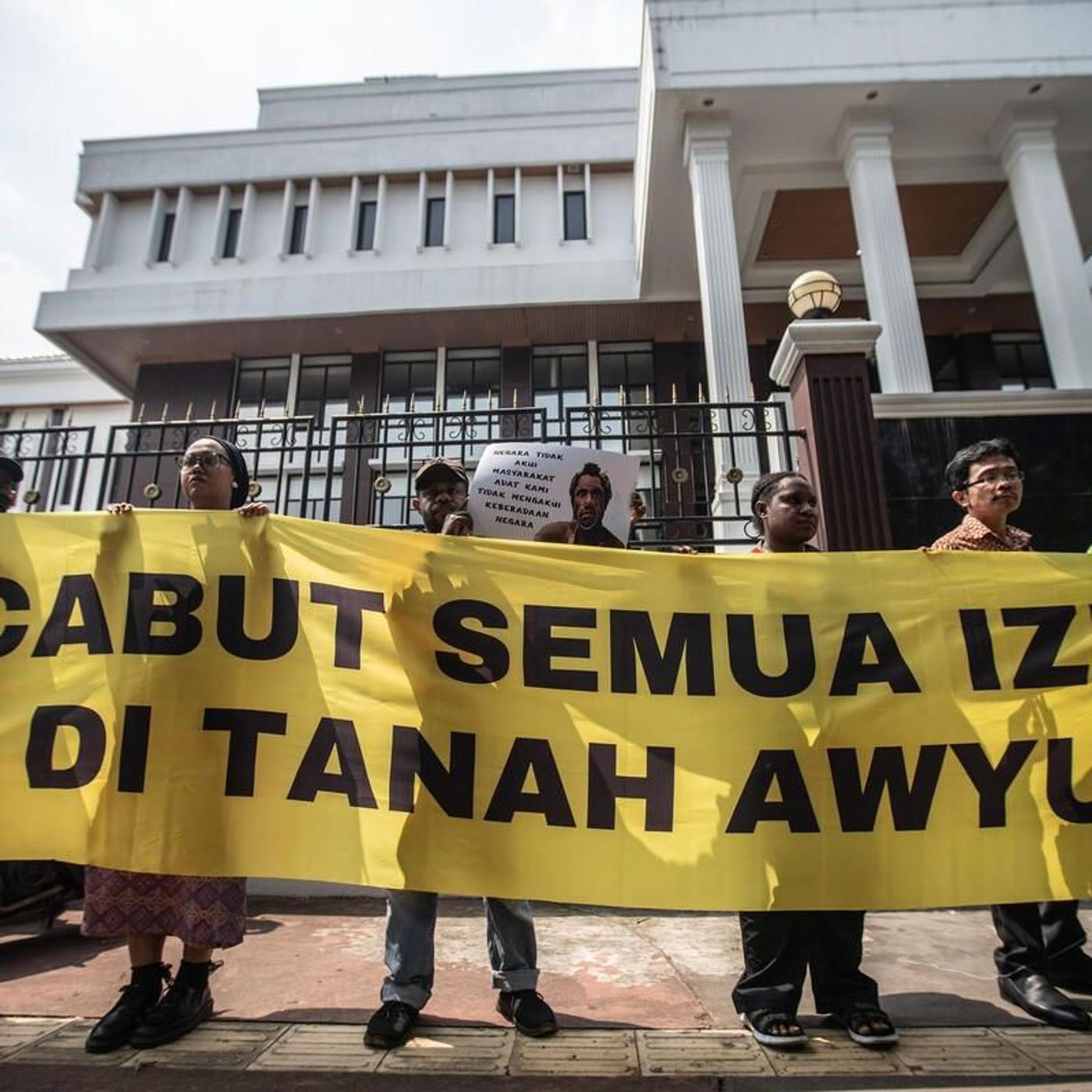
Indonesia is home to some of the largest stretches of tropical rainforest left on Earth — and to a growing community of people willing to put themselves on the line to defend it. But across the archipelago, environmental activists are increasingly finding that the sharpest threat they face isn't ou…
Disclaimer: The podcast and artwork embedded on this page are from Talking Indonesia, which is the property of its owner and not affiliated with or endorsed by Listen Notes, Inc.
EDIT
Thank you for helping to keep the podcast database up to date.
