


ABOUT THIS EPISODE

This week’s SNAP crisis is just a preview. Tucked inside the giant tax-cut and spending bill signed by President Donald Trump this summer are enormous cuts to SNAP: Who qualifies, how much they get, and who foots the bill for the program. That last part is a huge change.
For the entire history of the food stamp program, the federal government has paid for all the benefits that go out. States pay part of the cost of administering it, but the food stamp money has come entirely from federal taxpayers. This bill shifts part of the costs to states.
How much will states have to pay? It depends. The law ties the amount to a statistic called the Payment Error Rate -- the official measure of accuracy -- whether states are giving recipients either too much, or too little, in food stamp money.
On today’s show, we go to Oregon to meet the bureaucrats on the front lines of getting that error rate down -- and ask Governor Tina Kotek what’s going to happen if they can’t.
Looking for hunger-relief resources? Try here.
Pre-order the Planet Money book and get a free gift. / Subscribe to Planet Money+.
Listen free: Apple Podcasts, Spotify, the NPR app or anywhere you get podcasts.
Facebook / Instagram / TikTok / Our weekly Newsletter.
This episode was hosted by Nick Fountain and Jeff Guo. It was produced by James Sneed and Willa Rubin, edited by Marianne McCune and Jess Jiang, fact-checked by Sierra Juarez, and engineered by Debbie Daughtry and Robert Rodriguez. Alex Goldmark is Planet Money’s executive producer.
See pcm.adswizz.com for information about our collection and use of personal data for sponsorship and to manage your podcast sponsorship preferences.
NPR Privacy Policy
English
United States
IN THIS EPISODE
TRANSCRIPT 🔗
Are you the producer of this podcast?
Add a podcast transcript
Need Audio-to-Text?
Transcribe with Listen411 in Just 60 Seconds
OTHER EPISODES IN THIS PODCAST

It's getting pretty wild in the beverage aisle these days — from the rainbow wall of seltzers, to the increasingly strange flavors of Pepsi, to the new "functional" sodas with added fiber or supplements that supposedly offer health benefits. Where are all these new drinks coming from? And why does …

(Note: A version of this episode originally ran in 2024.)$40,000,000,000,000. Four commas. Thirteen zeroes. It’s an eye-popping, almost infinite-sounding pile of money. And every time the debt passes a big round number, almost everyone asks the same question: How much debt is too much?It’s maybe th…
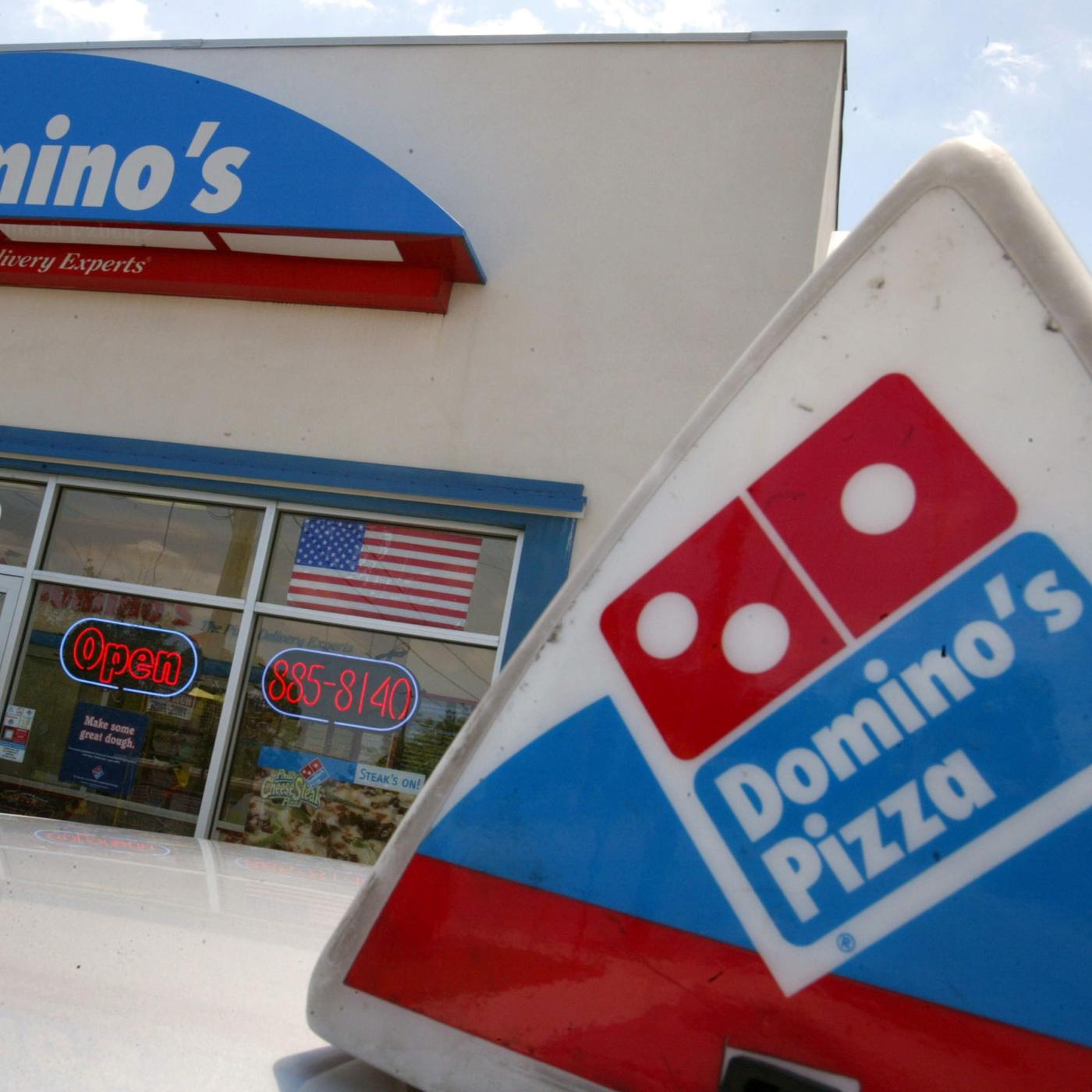
Did a pizza restaurant’s humble status page change how we wait forever? When you order a Lyft or Uber, you get texts every few minutes about your car approaching and arriving. When you have a package coming, you get a notification when it’s shipped, when it’s en route, and when it’s out for deliver…

Very soon, Social Security may not have enough money to make full payments to retirees. Very soon. Like by 2032, just six years from now. So what are we gonna do about it? Today on the show, we look at some of the most talked about possible solutions; and exactly whose wallets we’ll have to rifle t…

Wanna know who is really in the top 1%? And how they use their influence? It may not be who you think.Look beyond Silicon Valley. Look beyond Wall Street. Look beyond the “oligarchs”. There's a much larger class of wealthy Americans hiding in plain sight. And, often, they got rich in mundane ways. …
Disclaimer: The podcast and artwork embedded on this page are from NPR, which is the property of its owner and not affiliated with or endorsed by Listen Notes, Inc.
EDIT
Thank you for helping to keep the podcast database up to date.
