


ABOUT THIS EPISODE

When we stumbled upon Milk.com, we were mystified. It appears to be someone’s personal website. But memorable domain names can be worth a million dollars or more. So, why is someone using this valuable internet real estate to post their resume and favorite recipes?
Back in the internet’s early days, it was easy to get a domain name. They were cheap or even free. The first people to grab them may now be holding onto assets that can sell for millions of dollars. These potential profits have attracted a unique breed of investor who buys and sells domain names, gambling on the value of everyday words.
On our latest show: What is a domain really worth? And we ask the owner of milk.com why he’s not selling — and if there’s a price that might change his mind.
Planet Money is writing a book! Sign up for updates about pre-sale special gifts and for book tour events.
Subscribe to Planet Money+
Listen free: Apple Podcasts, Spotify, the NPR app or anywhere you get podcasts.
Facebook / Instagram / TikTok / Our weekly Newsletter.
This episode was hosted by Alex Mayyasi and Jeff Guo. It was produced by Willa Rubin and edited by Jess Jiang. It was fact-checked by Sierra Juarez and engineered by James Willetts. Alex Goldmark is Planet Money's executive producer.
See pcm.adswizz.com for information about our collection and use of personal data for sponsorship and to manage your podcast sponsorship preferences.
NPR Privacy Policy
English
United States
IN THIS EPISODE
TRANSCRIPT 🔗
Are you the producer of this podcast?
Add a podcast transcript
Need Audio-to-Text?
Transcribe with Listen411 in Just 60 Seconds
OTHER EPISODES IN THIS PODCAST

Very soon, Social Security may not have enough money to make full payments to retirees. Very soon. Like by 2032, just six years from now. So what are we gonna do about it? Today on the show, we look at some of the most talked about possible solutions; and exactly whose wallets we’ll have to rifle t…

It's getting pretty wild in the beverage aisle these days — from the rainbow wall of seltzers, to the increasingly strange flavors of Pepsi, to the new "functional" sodas with added fiber or supplements that supposedly offer health benefits. Where are all these new drinks coming from? And why does …

(Note: A version of this episode originally ran in 2024.)$40,000,000,000,000. Four commas. Thirteen zeroes. It’s an eye-popping, almost infinite-sounding pile of money. And every time the debt passes a big round number, almost everyone asks the same question: How much debt is too much?It’s maybe th…
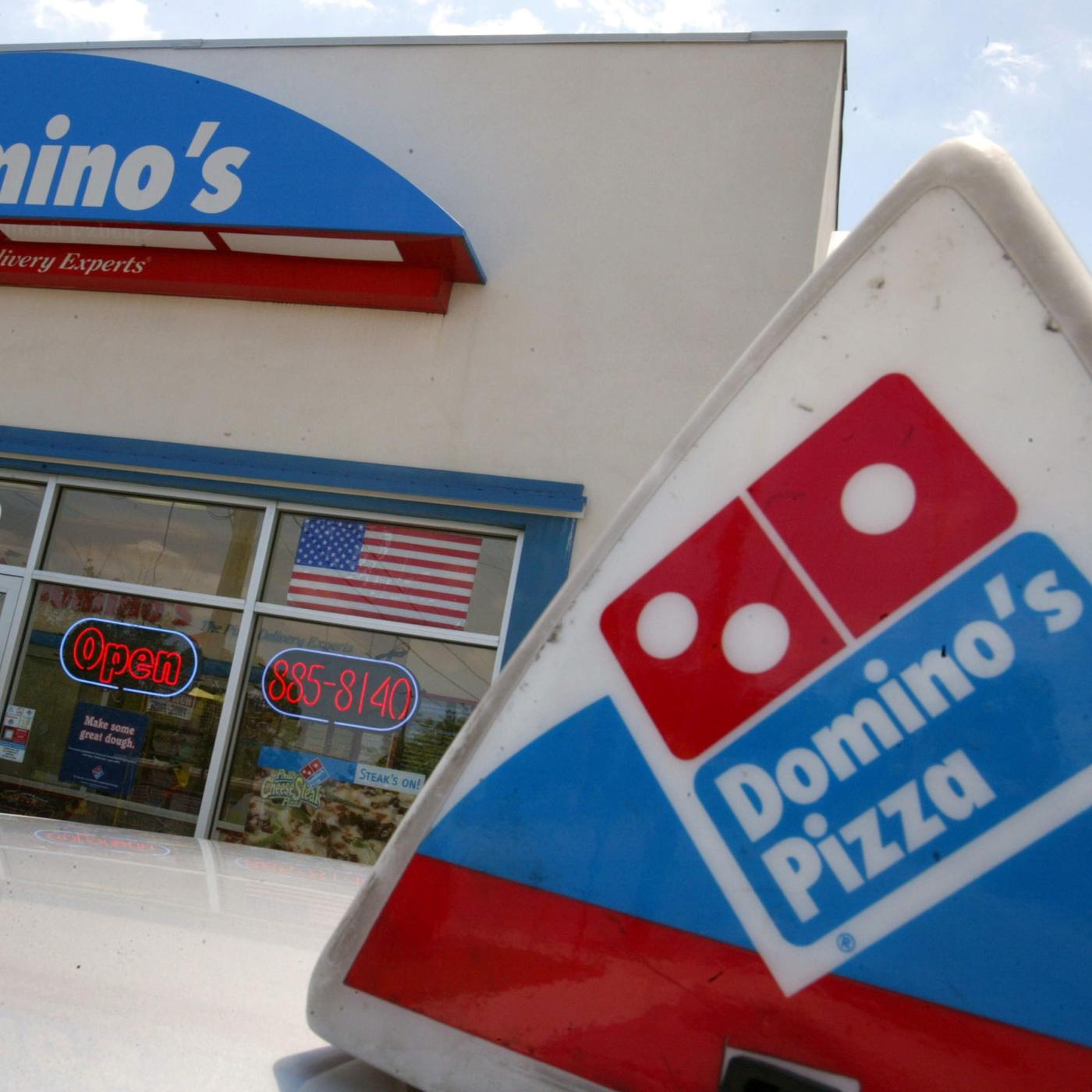
Did a pizza restaurant’s humble status page change how we wait forever? When you order a Lyft or Uber, you get texts every few minutes about your car approaching and arriving. When you have a package coming, you get a notification when it’s shipped, when it’s en route, and when it’s out for deliver…

Wanna know who is really in the top 1%? And how they use their influence? It may not be who you think.Look beyond Silicon Valley. Look beyond Wall Street. Look beyond the “oligarchs”. There's a much larger class of wealthy Americans hiding in plain sight. And, often, they got rich in mundane ways. …
Disclaimer: The podcast and artwork embedded on this page are from NPR, which is the property of its owner and not affiliated with or endorsed by Listen Notes, Inc.
EDIT
Thank you for helping to keep the podcast database up to date.
