

ABOUT THIS EPISODE
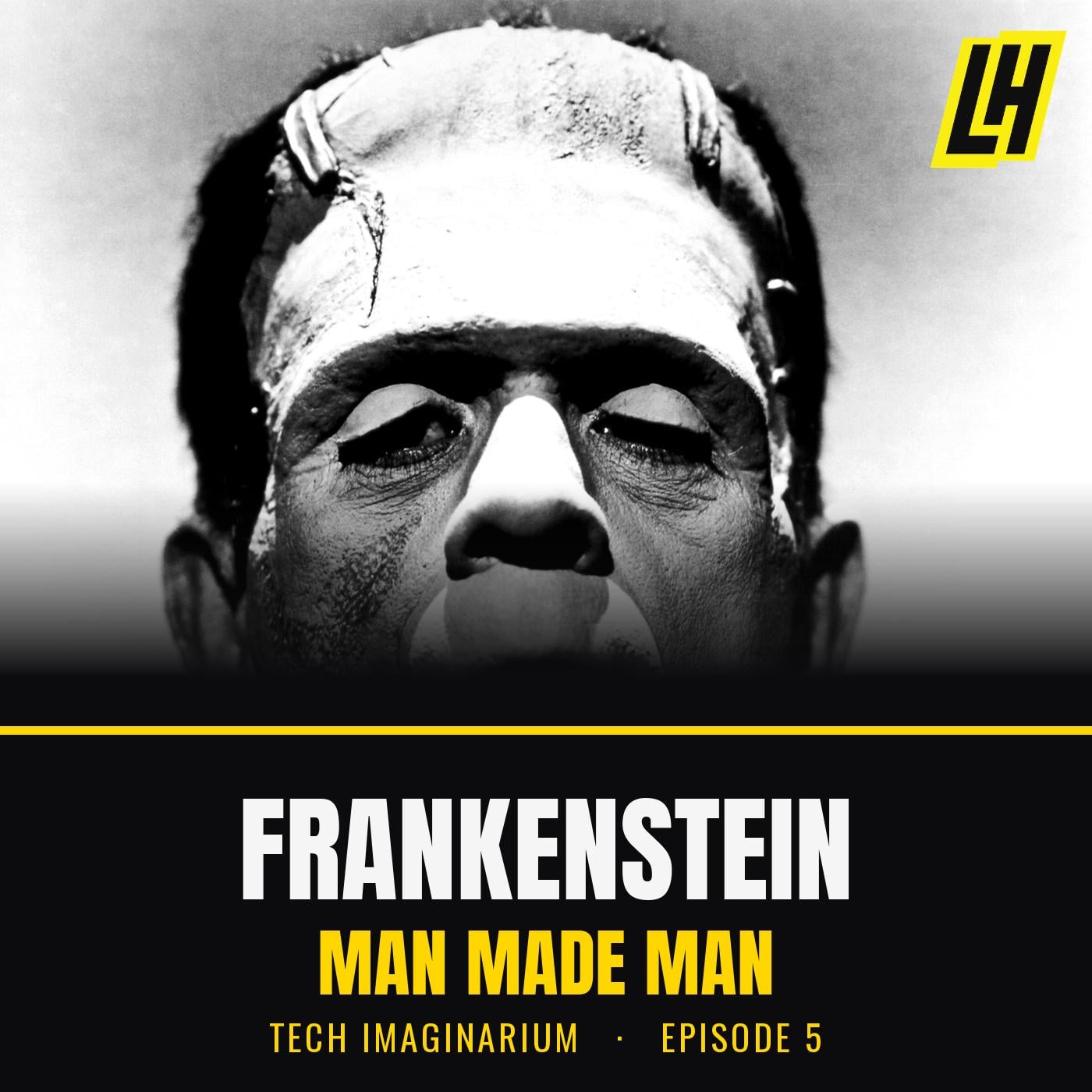
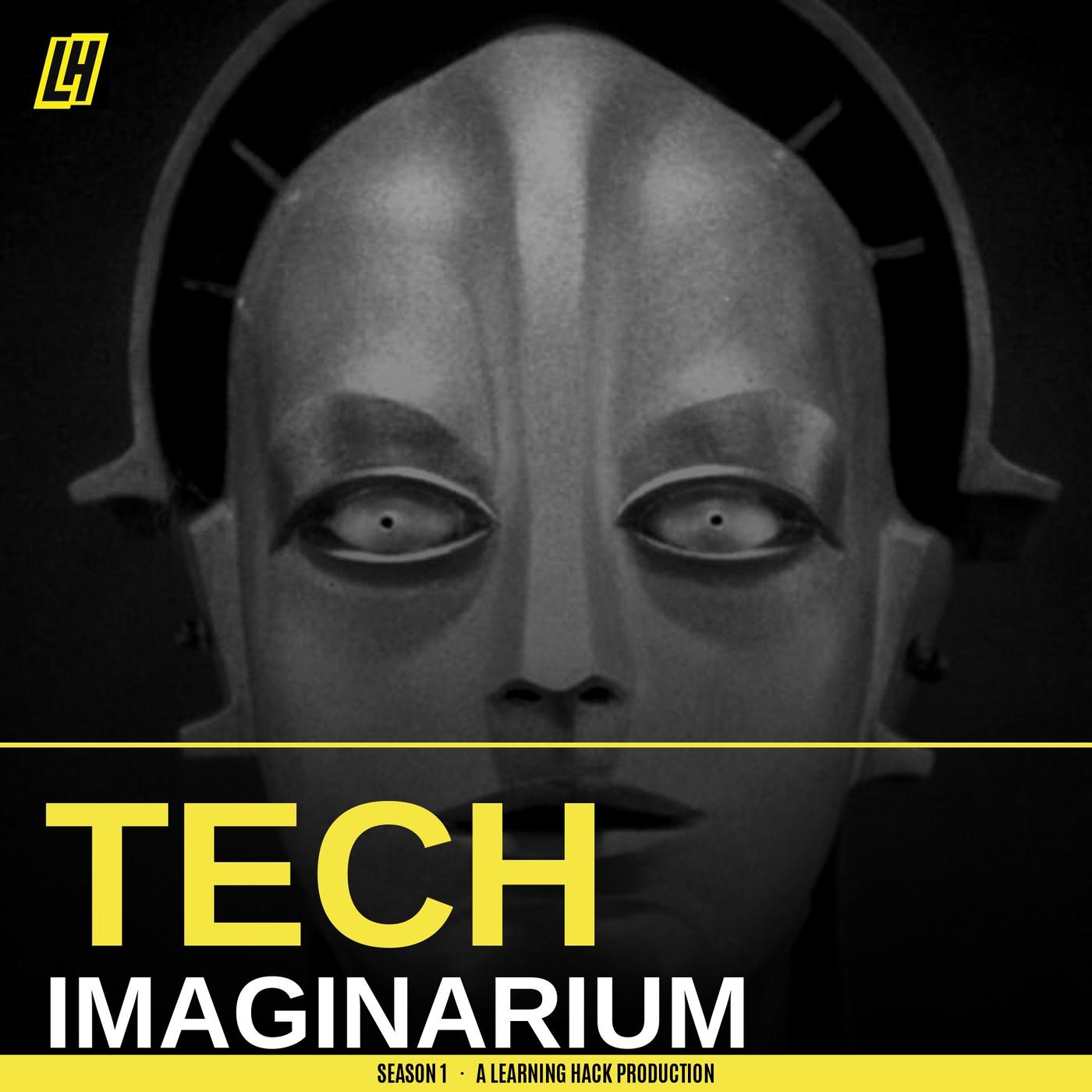
How a teenage girl's waking dream birthed what is (probably) the first science fiction novel – and in the process gave the world its most enduring image of technology gone wrong. This time we're coming for the myth, the curse, the cliche that is Frankenstein. John Helmer and Ezri Carlebach climb up the tower, point the lightning conductor to the heart of the storm, and attach electrical cables to the neck-bolts of that fearful thing on the slab. Yes, it may be 200-years old but ... it's alive! They walk through the original 1818 plot — stranger and bleaker than the films — weigh the long-running argument over whether it really counts as science fiction, and trace the monster's afterlife from the 1910 Edison short and James Whale's 1931 classic to Boris Karloff, Mel Brooks, Eddie Van Halen's "Frankenstrat", Guillermo del Toro ... and beyond. In this episode:
- What really happened at the Villa Diodati in 1816?
- The radical parents and a childhood shadowed by death that made Mary Shelley
- Born in the age of revolutions: Enlightenment values battles alchemy and the occult
- How two Brits, James Whale and Boris Karloff, created a look for the creature in their famous 1931 film that resonated through a thousand sequels, rip-offs and pisstakes
- Did Mary Shelley predict the death of God?
English
United States
IN THIS EPISODE
TRANSCRIPT 🔗
Are you the producer of this podcast?
Add a podcast transcript
Need Audio-to-Text?
Transcribe with Listen411 in Just 60 Seconds
SEARCH PAST EPISODES
Search past episodes of The Learning Hack podcast.
OTHER EPISODES IN THIS PODCAST
What does it take to change how an industry works — and what happens when it doesn't change fast enough? Lars Hyland has been asking that question for thirty years, from the early days of interactive multimedia through nearly a decade leading EMEA for Totara Learning, and now at Enlytning, an AI-po…
In 1983, Isaac Asimov predicted that computers would let every person learn what they wanted, in their own time, at their own speed. Forty years on, that vision is more or less the world we live in. So what else might science fiction have to tell us about the future we're already inside?
Welcome t…
A hundred years ago this spring, a magazine called Amazing Stories hit the newsstands and — almost by accident — gave a name and a shape to the genre we now call science fiction. Its publisher, Hugo Gernsback, was an immigrant electrical engineer, visionary and relentless self-promoter. He wanted h…
Your organisation has probably spent years building a learning library. Courses, videos, SCORM files, PDFs — hundreds of them, living in the LMS or scattered across SharePoint. You can enrol in them. You can sit through them. What you can't do is ask them a question and get an answer in seconds, at…
Augmented Workforce, Learning at the Frontline and the Destiny of L&D.
For a long stretch, you could skip Learning Technologies for a year and miss almost nothing. Not this year. AI has stopped being something L&D is piloting and started being something the field is rebuilding around — and…
Disclaimer: The podcast and artwork embedded on this page are from John Helmer, which is the property of its owner and not affiliated with or endorsed by Listen Notes, Inc.
EDIT
Thank you for helping to keep the podcast database up to date.
