


ABOUT THIS EPISODE
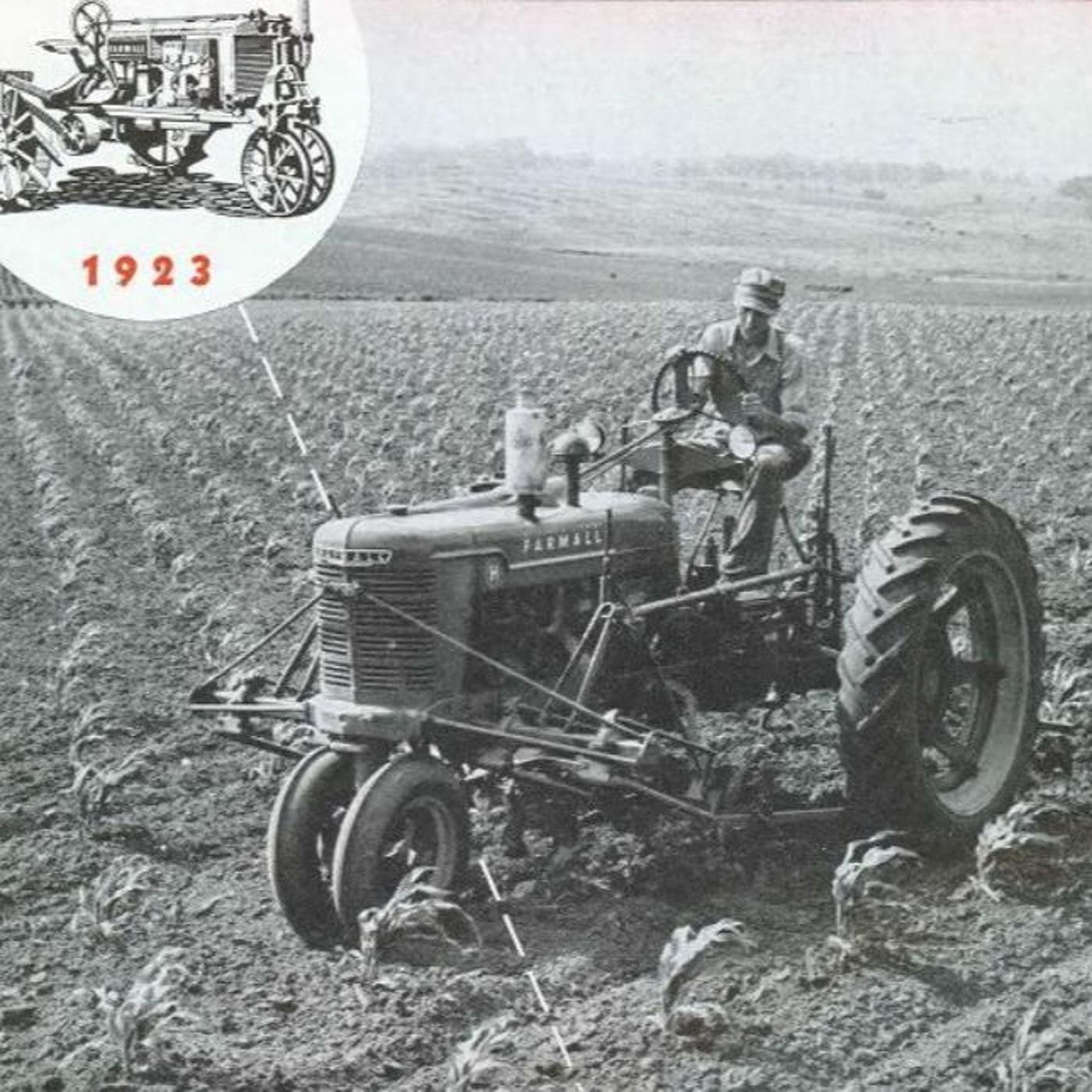
Historians of technology once famously asked, “does technology drive history?” Their answer was, “it depends.” The phenomena of history do not float atop of the changes within material practices and technology, but neither do they stand apart from them; the two are intimately entwined in the contingent, intermittent unfolding of history. The challenge for the historian is to open the black box of technology, and to make its social setting and connection explicit to allow for a better understanding of its role in continuity and change over time.
Alexander Liebman, geographer and PhD candidate at Rutgers University, asks how this complicated set of interrelated factors have ramified upon the ground in agricultural spaces as twentieth-century engineers, planners, and others applied the technologies of computation and automation to farming. Among the major figures in this story was Arthur Hall, an engineer at Bell Laboratories and innovator in computerized agriculture. His patented 1970s-era “autofarm” aimed to save the small family farm by promoting the farmer from laborer to manager, and equipping him or her with a system of computerized, automated tools to grow, harvest, and process crops from a central indoor terminal. While Hall’s particular system did not change the world of agriculture, his ideas were part of a wider turn toward computer technologies as a solution to problems in American farming. In that regard, the “autofarm” is still with us, and is a touchstone in the history that has led to self-driving tractors and drone fleets of twenty-first-century American farms.
In support of his research Liebman received funding form the Center for the History of Business, Technology, & Society at the Hagley Museum & Library. For more Hagley History Hangouts and more information, visit us online at hagley.org.
English
United States
TRANSCRIPT 🔗
Are you the producer of this podcast?
Add a podcast transcript
Need Audio-to-Text?
Transcribe with Listen411 in Just 60 Seconds
SEARCH PAST EPISODES
Search past episodes of Hagley History Hangout.
OTHER EPISODES IN THIS PODCAST

From the 1750s to the present day, Salem Township in northeastern Pennsylvania has been a site of financial speculation and the social changes it sets in motion.
In her latest book project, Dr. Nancy Campbell, professor of Science and Technology Studies at Rensselaer Polytechnic Institute, uncover…
Geophysics, or the study of Earth using the tools and methods of physics, is often understood to have begun in the post-WWII period. However, the period between the world wars saw ferment and innovation in the field, and the emergence of the term geophysics itself.
In his latest research, Dr. Erik…

Images of bathers have recurred in art through the ages, and their depictions tell us something about attitudes toward human bodies, sex, gender, cleanliness, and much more.
In his dissertation research, art historian Jay Buchanan, PhD candidate at Washington University in St. Louis, analyses ima…
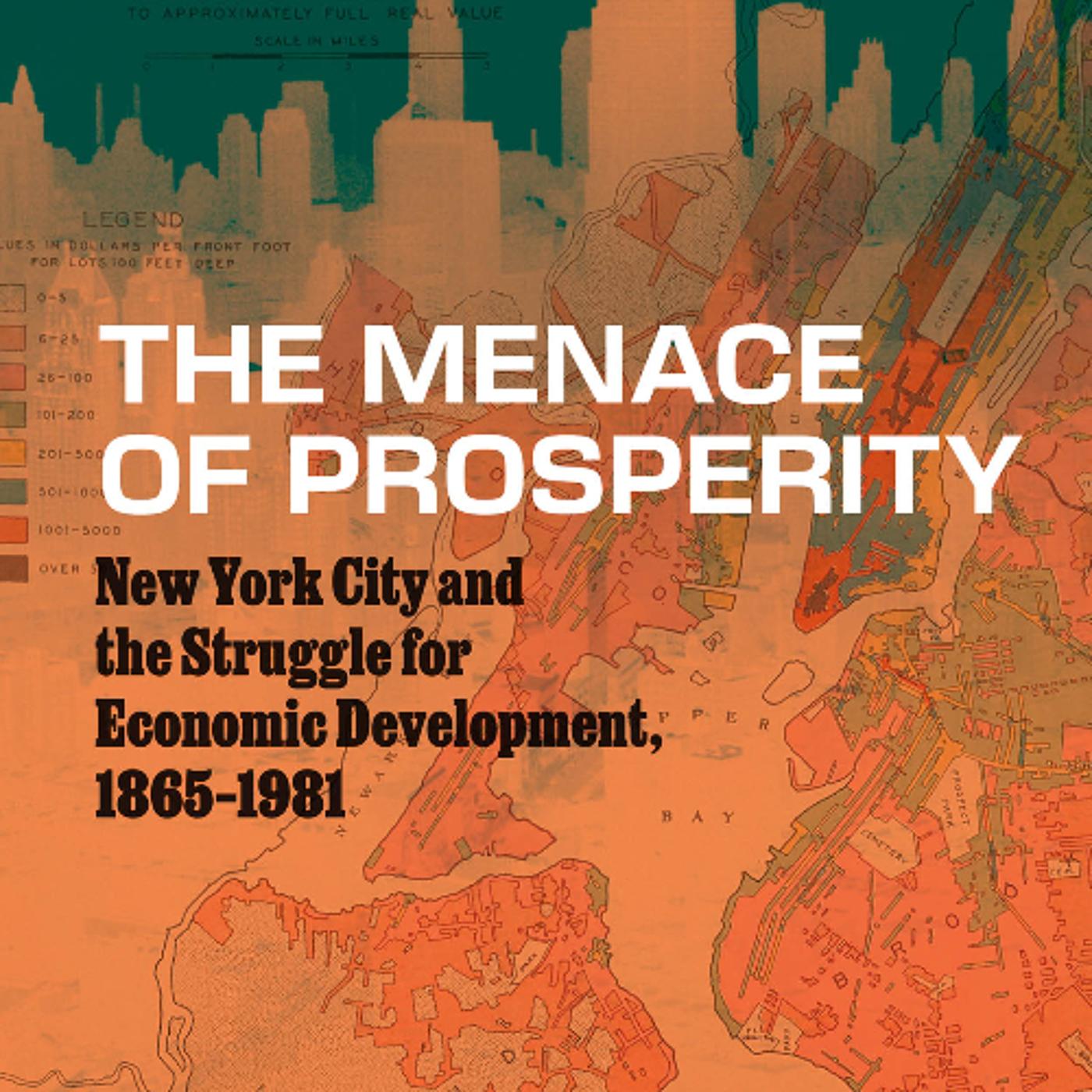
Does a strong economy serve the interests of the few or the many? The policy pendulum has swung in either direction over the long term.
In his new book, The Menace of Prosperity: New York City and the Struggle for Economic Development, 1865-1981, Dr. Daniel Wortel-London, visiting assistant profes…

In this episode of the Hagley History Hangout, Roger Horowitz interviews Rebecca Kobrin about her new book, Credit to the Nation: Eastern European Jewish Immigrant Bankers and American Finance 1873-1930.
From the publisher: "What are immigrants to do when business opportunities abound in their new…
Disclaimer: The podcast and artwork embedded on this page are from Hagley Museum and Library, which is the property of its owner and not affiliated with or endorsed by Listen Notes, Inc.
EDIT
Thank you for helping to keep the podcast database up to date.
