

ABOUT THIS EPISODE

We've been seeing a lot of debate recently about how history should be taught. For example, some believe that the Civil War was about state rights while some argue that slavery played a large role in it. But what if we could all agree on one shared history? The past, as we know it, is a collection of billions of smaller stories that coalesce into the stories of families, communities, nations, and entire cultures. According to Tamim Ansary, narrative is the way we invent the past and the key to understanding history is understanding the stories we tell ourselves about three key areas: technology, environment, and language. With a world seemingly more connected than ever and still volatile with a constant sense of fracturing identities, Tamim contends that our shared history is a story we must invent. And the future of our species depends on our ability to develop a story we can all see ourselves in.
See pcm.adswizz.com for information about our collection and use of personal data for sponsorship and to manage your podcast sponsorship preferences.
NPR Privacy Policy
See pcm.adswizz.com for information about our collection and use of personal data for sponsorship and to manage your podcast sponsorship preferences.
NPR Privacy Policy
English
United States
TRANSCRIPT 🔗
Are you the producer of this podcast?
Add a podcast transcript
Need Audio-to-Text?
Transcribe with Listen411 in Just 60 Seconds
OTHER EPISODES IN THIS PODCAST
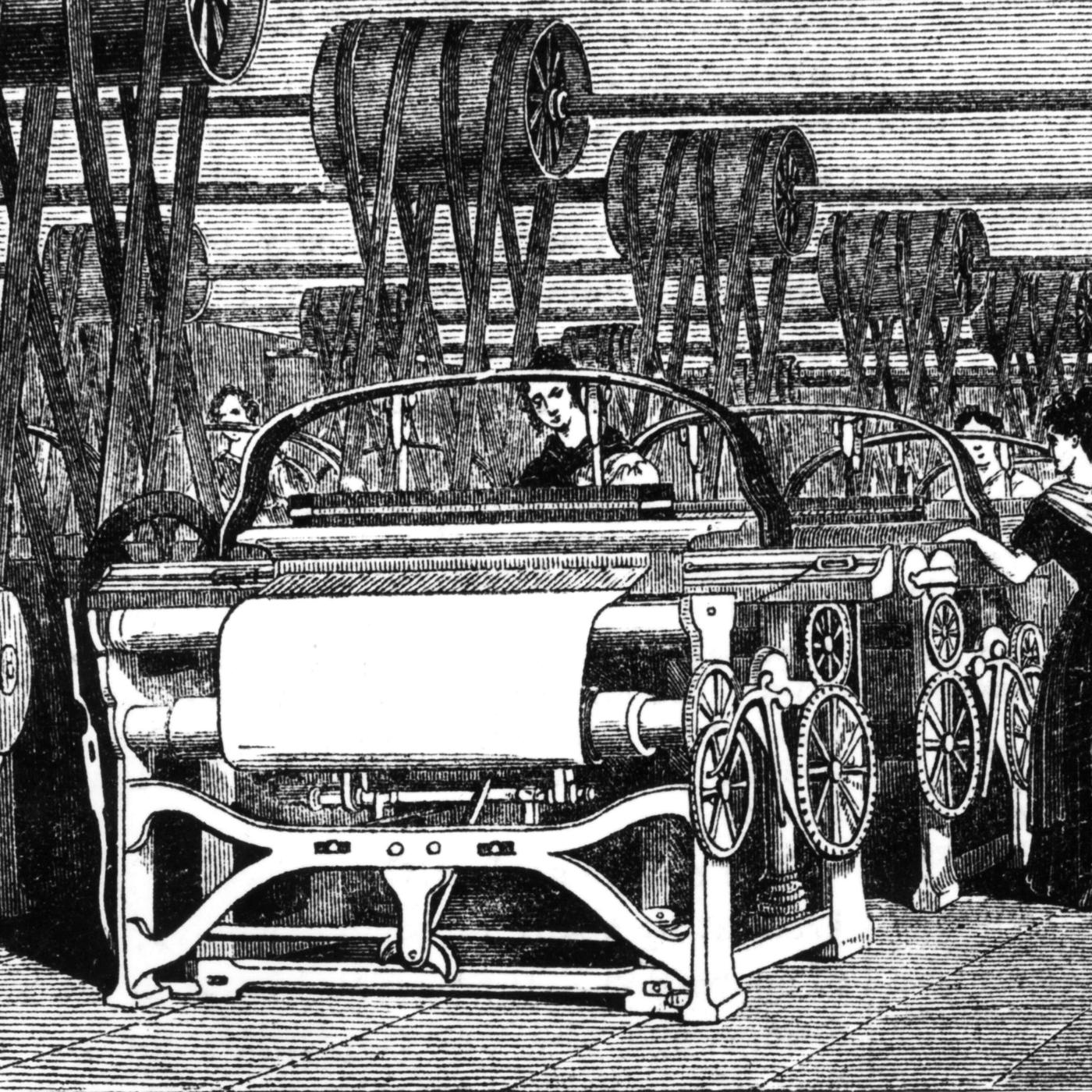
Calling someone a "Luddite" is usually an insult – shorthand for someone who is behind the times. But the real Luddites weren't just afraid of change; they were a labor movement fighting to save their jobs from being replaced by machines. Today, with the rise of AI, many feel the same kind of exist…
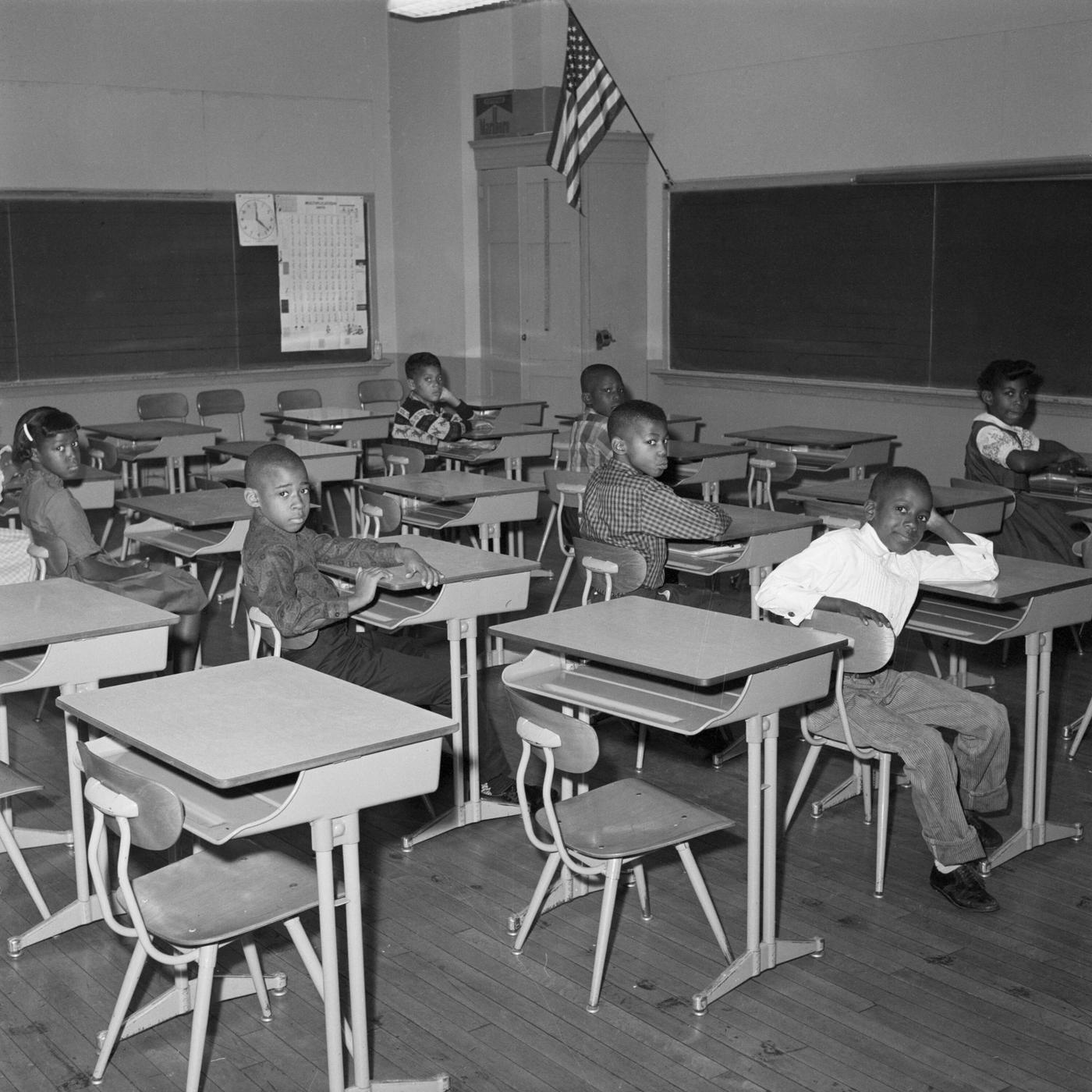
In 1966, the federal government commissioned a massive survey aimed at solving educational inequality. Instead, the explosive Coleman Report unleashed a 60-year debate over race, resources, and what education in America is actually for. This is the story of how the report came together… and the pol…
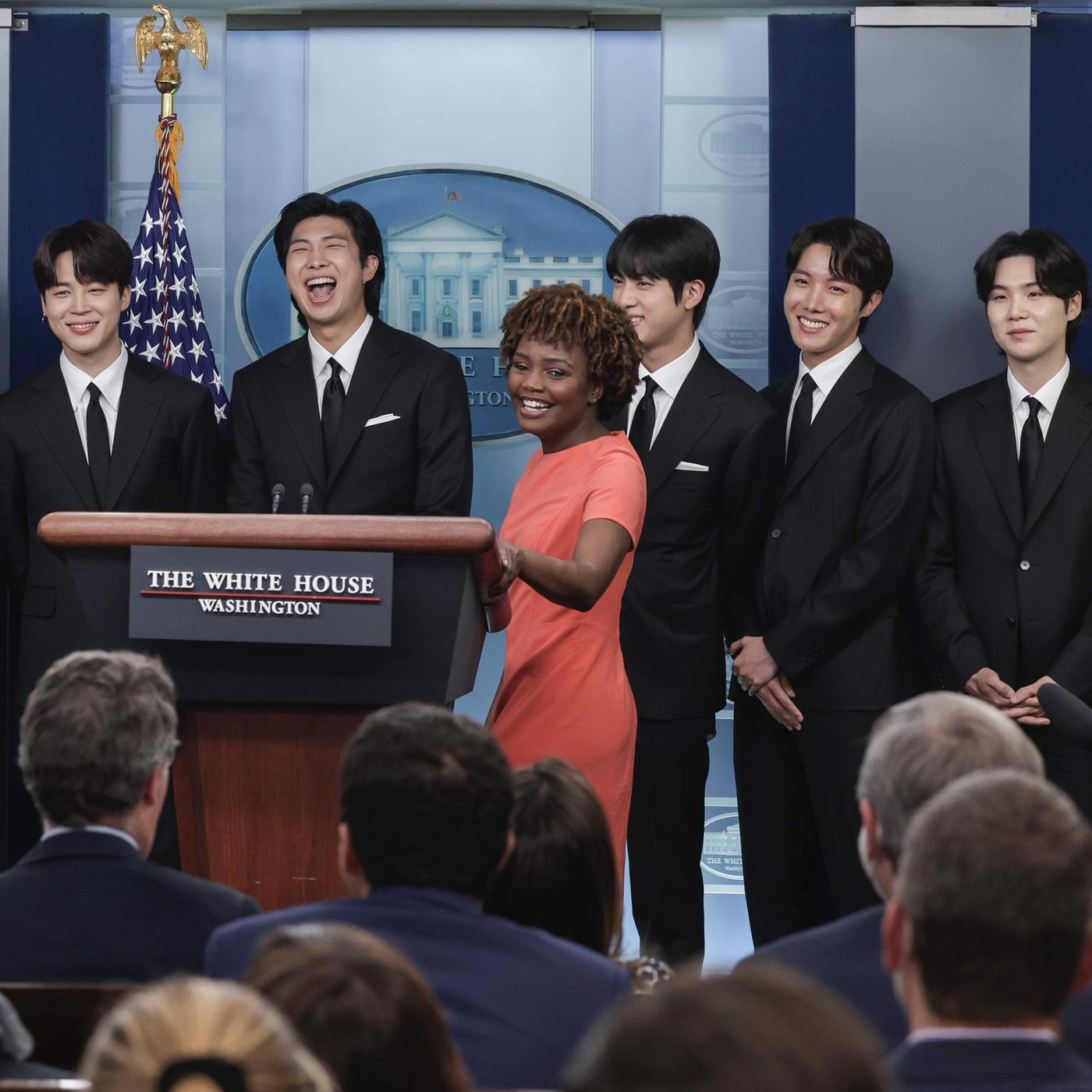
This year, K-pop Demon Hunters picked up a couple of Oscars, the pop group BTS made its triumphant return to sold out crowds, and K-pop took center stage at the World Cup final. It’s all part of Korea’s 50-year game plan to achieve global cultural dominance. This week on our Hidden Histories series…
Cobalt mining is one of the world's most dangerous jobs. And it's also one of the most essential: cobalt is what powers the batteries in your smartphone, your laptop, the electric car you felt good about buying. More than three-quarters of the world's cobalt supply lies in the Democratic Republic o…
For generations, the SAT has loomed large in the lives of teenagers. The quest for a perfect or near-perfect score has filled many test takers with dread. In this episode, a listener's question makes us wonder... who decided the SAT was the best and brightest way to filter students? And how did it …
Disclaimer: The podcast and artwork embedded on this page are from NPR, which is the property of its owner and not affiliated with or endorsed by Listen Notes, Inc.
EDIT
Thank you for helping to keep the podcast database up to date.
