
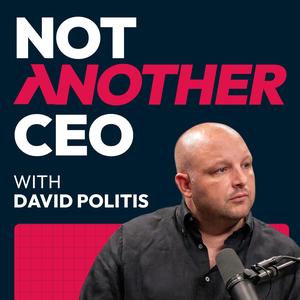

David Politis: you build a company and you sell that company, you reach the milestone that many would only dream of. It ends up feeling very weird and very lonely. My guest today is Barack Kaufman, an investor, operator, exited founder, and community builder, co-founding Telo, the SaaS management platform. Then sold that to Sailpoint in 2021. Today, Barack is a partner at Vine Ventures where he's made investments in a number of high-flying AI companies, including Wonderful, where he's now serving as the chief strategy officer. I interview people for jobs for a lot of the companies I advise and I ask them, where do want to be five, ten years? You want to go down this path, this path, or founder path? The percent that say founder now versus five years ago, ten years ago, is crazy. It's like everyone wants to be a founder. I think founders are in many ways almost like the ultimate capital. never gonna convince the real founder, entrepreneur, to not do it. Either they really want to start something and they will or they just won't but it's hard as shit. And like you gotta know what you sign up for. Today's episode is a special one for me. My guest today is Barack Kaufman, an investor, operator, exited founder, and community builder. He started his career as an investor at one of the most well-known venture firms, Insight Partners. Then he decided he wanted to try his hand at being on the other side of the table as a founder. He left and co-founded Intello, a SaaS management platform. Then sold that to Sailpoint in 2021. My company, BetterCloud, was also a SaaS management company, so Barack and I competed with each other for a number of years. And I'm lucky that we did because it led to the friendship that we have today. After he sold his company, he was looking for other exited founders that he could bounce ideas off of and get advice from about what to do next. That personal need is what drove him to start PEF or post-exit founders. In four to five years, it's grown to over 7,000 members across 12 countries and four continents. Every single one of the members came through referral. I'm in PF and it's hard to describe the power of the network and the willingness everyone has to help in any way that they can. Today, Barack is a partner at Vine Ventures where he's made investments in a number of high-flying AI companies, including Wonderful, where he's now serving as the chief strategy officer. Barack Kaufman, welcome to Not Another CEO podcast. David, that was awesome. I gotta take you around with me. We're off it. I think, I think, You know, this feels literally like two years in the in the making. I you've referred a lot of the guests that I've had on and we know each other really well. So I'm excited to do this. I'm I I think we should start with a different question than I would usually ask because you have such a wide array of things that you're doing today. Maybe we just start with like, tell me what you're in your own words, tell me what you're doing today. Yeah, well, firstly, I just want to thank you for the friendship and and partnership and mentorship over over the years. I you say two years in the making, I really kind of view it almost like 10 years in the making. I feel like the kind of person that so many of us have have turned to for advice throughout. And you're always somehow fine time and now you're able to put it out there in the world. So awesome job at this podcast. And thank you. Thanks for for inviting me. Now how do I spend my time now? I I spend nearly all my time at the moment as chief tragedy officer at Wonderful. So just to kind of back up for a minute, as as you mentioned, I started as an investor, growth investor, Then I founded a company, exited that company, had a lot of questions, which led to starting a group chat for a few exited founders that were helping me and turned into PEF community. I went back to investing, but early stage investing at Vine. Actually don't enjoy investing, even though I'm a partner at a venture fund, which I'm which I'm honest and and real about. I still identify very much as as more of a founder than than as a investor. The part that I don't like about investing is more doing all the pitch meetings to then decide. you know, what you're gonna move forward with. And if you're a good investor saying no 95 or 99% of the time. So I structure my time a bit differently. I try twice a year to find exited founders, usually Israeli exited founders, which is where I spend most of my time, and help them build generational companies. Try to get involved as early as possible, often pre idea, and try to partner with them. With Wonderful, I didn't get involved pre idea, but I was the first institutional investor in the company. through Vine and supported for more of a board capacity for the first nine or ten months of the company. And then saw how special it can be and decided the most important thing I can do for myself, for Vine, for Wonderful, for Israel as a country that I care a lot about was to help turn Wonderful into an applied AI leader. And so far it's working, but we have a lot of work still ahead of us. Can you quickly just say what Wonderful does? Yeah, so Wonderful is an in a plot AI company. We have an AI operating system to build, manage, and optimize agents and repair that operating system with forward deployed teams to help enterprises get agents into production. So we started with conversational agents primarily for companies, helping turn their customer-facing experiences into a genic experiences and expanded from there into back office agents, into app replacement, and increasingly a lot more surface area that we're doing. in the enterprise AI world. I actually did not know I knew the first part of that story. I did not know the current part of that. So it went because it was really customer service essentially in the beginning. That was like the primary use case. Yeah, the the the first slot I ever saw for Wonderful, which originally started on on on on a wall, was CX is a foot in the door. So from the very beginning, Bar and Re, the the founders of Wonderful, knew that it was never going to be a CX company. But you go back to early 2025 when Wonderful started, there were really only two use cases in Applied AI that were really taking off. It was either coding or customer support. And they saw this opportunity to do customer experience, specifically in rest of world at the time. So that means outside of North America, where there weren't a lot of at least good options. for for enterprises. There were local competitors. There were some you know big legacy companies that weren't able to kind of move fast enough. And they hit that gap and and use that as a wedge to expand the scope of what we do. And so now it's it's grown way past that. A lot b a lot of it is because the intelligence has just gotten better and better at the same time. Right. So so Wonderful I think is for all the founders listening, I one of the things that Wonderful did really well was to think first principle into w how they view the AI world shaping up over the next five years and making sure the company is well positioned for that. And and for the most part, that that that's exactly what's happened. Right. So as the intelligence get gets better, it's been a tailwind for Wonderful. Right. As open source model gets better, that's a tailwind for Wonderful. Like pretty much everything that's happened because if you are owning the customer value as the applied AI partner, focused on AI transformation for large enterprises, then As the surface area of what you can do expands, so does the potential for that partnership. And so the computer use agents kind of becoming more mainstream enterprise ready towards the end of 2025 really accelerated the expansion from customer experience into longer horizon workflows and rethinking agentic tasks. so you built a company, you know, same time that I was building BetterCloud, you were building Intello, and now you're, you know, there again. early stage company, of course, crazy scale and everything else, but you know, early stage building again in this generation, this AI first generation. What do you think is the same between building previous generation and AI generation, like SAS to AI? What is the same and what is different? Yeah. So so I'll try to keep it concise, but maybe be a little bit long winded because I want to make sure if you're listening, if you're an audience where you're listening to this at some point in the future, you kind of understand the context, right? So we're we're recording this in like late September twenty twenty six. Wonderful got started January twenty-five. in January twenty twenty five. So it's less than two years old. the company has now eight eight hundred and fifty employees across over thirty countries around the world. what's public on kind of the revenues that we went from one to seventy as of a month or so ago. and so the growth has been pretty wild, right? So yes, it was early stage, but so so you you you add that context to the question and it's like, you know, almost night and day, right? Like when when we were building Intel, you know, back in the day, it was one, when you're selling SAS, you're very focused on are you talking to an ideal customer persona? How acutely do they feel the pain that you're solving for them? And can the Can the product actually position to create enough long-term value, right? To kind of be there. With SaaS management, your experience too, it was challenging, right? Like there was a problem around SaaS sprawl, but but it wasn't always felt as acutely. And depending on who you were talking to, you got a different vibe, right? Like the the the the more modern IT folks or CIOs felt it more than let's say the legacy ones. And there was a lot of nuance. With Wonderful, it's not the case. Every single enterprise CIO I've met anywhere in the world. There's demand for Wonderful's product, right? AI is a top three priority of every single large enterprise in the world. Almost all of them, if not all of them, are struggling to get AI into production. The question is why Wonderful versus why someone else, right? AI has also become one of the most competitive worlds, one of the most competitive markets in in the world over the last year or so. I think Wonderful is very well positioned in that. I know Wonderful is very well positioned in that. But at the same time, like the questions are are completely different, right? When you're building, it's not about trying to identify product market fit as much as it's trying to deliver value for those customers to be able to unlock additional opportunities to grow with them. And then the second part of that, just very quickly, is just the the the scale of the deals, right? Like, you know, the average A C V for Intel, which was smaller than than BetterCloud, was about thir 30 K per year, right? And our largest customers group very low six figures a year, very low, you know, in the hundred to two hundred thousand range. You know, Wonderful has already a few customers in the eight figures a year or growing very quickly to eight eight figures a year, straight for a company that's a year and a half old and the vast majority of deals are, you know, over a million dollars a year. Cause you're looking at kind of labor displacement, you're looking at replacing kind of core tasks and you're looking at a consumption based model. not a license-based model. So you're able to scale with them as you align it to value in a in a much clearer way. So those are some of the big differences. And the same? What's the same? Look, building a business is still building a business, right? I think one of the things that that we feel strongly about at Wonderful is like the company will either survive, thrive, or die based on our ability to attract A plus talent. I think we're living in a in a world where somehow that's become a contrarian take, right? We're living in a world where like, you know, debate if I want to name NMC or not, like a lovable or a reply is like showing off their revenue per employee. And it's very impressive. I'm not I'm not trying to you know in any way sh throw shade at that, but but I think at the end of the day, like long-term value, at least within the enterprise, will come from having A plus talent on the go to market side. on the delivery side, how you embed yourself there. I think you see it with Palantir and a bunch of other other companies. and so that is the same, right? How you find, attract, evaluate, assess, you know, top talent. A lot of that top talent is the same top talent, right? It's it's not even necessarily a totally different person. There's adjustments you need to make for how you actually move into the AI world. But in high high agency, high IQ, high EQ, hardworking individual can most likely provide a lot of leverage for AI first companies. So that's the first thing that comes to mind that is very much the same. the second part is is enablement, right? That comes hand in hand with the team, right? If you do believe that you're gonna need to scale a team, then you got to enable that team. Now you got to do that at like 10x the speed of of what you had previously, right? Because you need to make sure that you can actually onboard people around the world while your product is evolving on a week by week basis rapidly, like rapidly. And nobody's really figured out these problems. Like this is a very like people's figured out enablement problems. So that part is like standard. But now you're trying to figure out how do you do that? How do you basically shorten the cycle of what that would actually take to enable foods and do a lot more of the thing. and then, you know, enterprise sales still enterprise sales, even if the contracts are bigger, right? Like How you actually engage with customers, how you actually show them that you care, how you take them to events, how you get in front of them or earn their trust. Right. Like these are all things that it's not even just the same between SaaS and AI world. This is just the same between business world. Yeah, I so I have come to the realization now after three years stepping down as CEO and doing this podcast and all the stuff I've been doing, all the companies I advise. I think 80% of running companies is the same. I mean, I think regardless of the company, regardless, if you, you know, if you listen to my calls talking to companies doing hundreds of millions of ARR, I'm saying like personal, private calls, I'm advising them hundreds of millions and 10 million companies that have been around for 15 years. And like there are things that of course are different in the AI world, but to your point, at the at the core, at the core, the people. the the the operating rhythm that they they all have to evolve and for the speed, but they're the same, I mean really they're the same things. Now I and that for me has been very interesting because I think that that's what is getting lost today, where there's a lot of AI companies where it's like, yep, the people don't matter and the di it's all going to be technology. There's going to one employee and multiple billions of dollars of revenue and just one, you know, everything else is contractors and I'm going to build this big company. And I I don't think, at least for me, I don't think that that I think if we fast forward even in thirty years, it's gonna be the same thing. Like I think that people are gonna be at the core still. Human beings will be at the core of this stuff, how you organize them, motivate them, you know, recruit them, fire them. Like all of that stuff is is is the timeless stuff. So I I like that answer. just gotta accelerate it all, right? It's just it's all just happening at just like just faster. It's like when you listen For those listening to this podcast of two X, four X speed, it's just real the real world kind of happening that way. Like when you when you you know, the engineers are wonderful, like don't write a single line of code anymore. Right. And I think you'll you'll find this in in in most AI first companies in the Valley and everywhere else, right? Very different way that you actually built products and how you think about some of the core problems, but you still need to think about stability and security and infrastructure and you know, all those other things. Same same idea with with hiring and and and firing, right? Like the the core, you know, competency for really any startup or scale up is their agility and speed. That's why you'll win over the legacy and compets, right? Innovators dilemma is still thinking, you know, it does it does not change. And so now you gotta be able to compete even faster. You gotta be able to move even faster. You gotta be able to hire even faster. You gotta be able to fire even faster and and and and make the hard decisions without, you know, all the information that you would want to have. But culture still is important in all those other parts. So I completely agree with you. Yeah. I want to talk about the post exit founders piece because I think you have a really unique view of post exit founder life, the per the the the mindset that people are in. I mean, in terms of onboarding people to PF, how many what did you do? Talk to a thousand people like one on one. I think like the first thousand people you met or something. I think a little bit more. so as you mentioned, we're we're a little over 7,000 executive founders now. the community started, let me think about it, it started four four years ago, a little over four years ago now. and and as you mentioned, it it's all just grown via referral. I was pretty much full time doing PF for the first couple of years, where it grew to maybe a thousand or so, a little less than a thousand. But I continue to do onboarding calls with almost every member until we were about two thousand. I didn't know that. That from a thousand to two thousand, I started to do group onboarding calls with about five members at a time. So you don't get to go as deep into maybe what what your follow-up question would be on some of these challenges and things, but I've probably met two thousand exited founders, either one on one or in a small kind of group setting. And what do you think is the number one thing that is common across all of those founders. Is th is there a thing that you hear over and over and over again across those founders? There are many things I hear over and over again. across a hundred percent of them, probably not much. Across, let's say, ninety-five percent, the biggest thing is the identity loss, right? So, you know, when you build a company and you sell that company and you reach the milestone that many would only dream of. It ends up feeling very weird and very lonely. And it's an uncomfortable thing to say. You don't want to go call your high school buddy and be like, hey, I just made all this money and I don't know what to do with my life. And I feel even more lost than I did before. and it's not that you would take it back. It's not that you would you regret selling your company. It's just that you had this identity that you didn't even know how much of you was tied to that identity. And it's just constantly reinforced. Again, all for logical, rational, well-meaning reasons. So what does that mean by being reinforced? Like when you're a founder and you're running your company, it's the the first question your mom asks you, your sister, your high school friends like, how's the company doing? You know? And then all of a sudden that's gone. And then like they start the conversation like, so how's life? And you're like, Good? I don't know. Like you're not you're just not used to it. And you don't and and and you start to realize that how much of yourself Was caught up in that identity. And it's very, very hard to untangle that. Now, the other part that most people don't think about if you have not built and sold a company is in the vast majority of those situations, you end up in a new job with a boss. You go from being the founder of your business to someone to report to. So if it was a private equity firm, maybe like yourself, I won't put you on the spot. Like maybe it's the the new board members. at the PE that that you technically work for now, right? They're kind of you know own your destiny. If you're like me and you sell your company to a publicly traded company, you have you have a boss, right? For me it was the chief product officer within within Sailpoint. And he was great. but you don't really remember what it's like to have a boss and to have responsibilities and working now like a corporate environment that again, for me, I had a fantastic experience at Sailpoint. Most executive founders I would say don't have fantastic experiences. But it's it's that that's the biggest change that that that comes to mind. There's a lot of questions on the mundane, you know, tax and bald stuff. Like you never, you know, okay for money and now you gotta figure out what to do with it and how to do it. There's a lot of the same mistakes that all of us exited founders make. I don't know how many times you hear the advice, like you're gonna need to make the mistakes for yourself to to learn the lesson. I I I did do those conversations, and the and the full yeah. yeah, cycle of it, even myself, right? Like I got that advice. I said yes, yes, yes, kind of ignored it. and you know, regretted it later. But you get into some of that. But but so there there's a lot of commonalities, but the biggest thing I would say is the the loss of purpose and identity. Yeah. I I when I first joined P E F and it was all being done on email, there were some threads that happened during that time around loss of identity and loss of purpose that I I still to this day can't believe that people were writing all these things like in public to another 2,000 people. And then I was even more surprised how many people were responding, saying I went through the exact same thing. I I remember those threads literally like today because it was it was right around the time for me, right? You know, right as I was kind of exiting operating and to your point losing a lot of that identity and and purpose. I mean that was that that first period of time when I stepped down, I was sitting on the couch I mean, literally doing nothing. I mean my wife was like, Are you depressed? Are you like, you know, and and you really don't know what to do. I mean, you really, to your point, it's identity and and purpose maybe more than identity. You know, really like you're just what am I supposed to do now? and it's interesting because a lot of the people I have met through PEF, and you and I have had this conversation, I mean, even about myself, but a lot of the people I've met through PF, it's not only that they have that now to go start another thing. is really hard because you're also not naive enough to jump you would never have probably started the company you started in the first place again because you would have seen all the mistakes and holes and challenges and and I'm sh I know you've talked to a lot of people about that. I mean you guys have run kind of brainstorming idea maze stuff like can you talk about that a little bit because I think that's that's a pretty interesting dynamic that I I felt but then I didn't realize how many people you know felt that and then as I started reaching out to people on PF, I was like, wow, everyone kind of has the same other than the crazy, crazy people. Like everyone else has that problem. Yeah. So yeah, I could talk about this for a while. So let let me try to you know collect my thoughts and maybe share it share it in a way that that could be most valuable to folks. So this was not your question but one of the things that that but it's related to it one of the things that that I learned and again that I was it was advice that I got that I didn't necessarily listen to is once you're free. So this doesn't include when you're still allowed to acquire, but when you're actually done with the rest invest or you're done with, you know, whatever the cycle is, take a year off. Ideally, it's 12 months. It's not six months, it's not 24 months, it's 12 months. And in those 12 months, you commit to yourself, you will not commit to anything. So you're committing to yourself, you you are not going to say yes to anything. You will explore, you will have conversations, you will catch up, you will like explore doesn't just mean business ideas and catch up with founder friends to hear what they're working on. Explore means like explore yourself, explore hobbies, read books, travel, see the world, be a parent, right? You know, focus on dating or your physical health that you never got a chance to. But tell yourself that you have 12 months. Like you, you, you need to put a time on it. That will help create some urgency to kind of what you do. And you also need to put a time on it so you don't jump into something before you're truly ready. Cause the biggest mistake that I've seen exited founders make is to get so uncomfortable in that in-between phase, they just jump into the next one. Right. So there there is a a big cohort of folks that can internalize what you're what you were saying around knowing how much hard it is to kind of jump in and do it. There's also a relatively large percentage of exited founders that just immediately say, All right, I'm on to the next one. I don't stop to think about like what were my motivations from the beginning and what what is my goal? And like how much do I care about the problem that I'm solving every day? Like maybe you want it to be in the same space, maybe you don't. And again, many exit founders say, Okay, what will make me have founder market fit to a V C and so you know it's this, like let me jump into it. And maybe that's the answer. But I don't think enough exited founders take the time to really think about it. So that was kind of my biggest learning. And then once you get there and and again, most don't take that year off, but You know, once you start to explore, there tends to be if you're an exited tech founder specifically, there tends to only be a few paths that most people take. There's always this small percentage of, you know, other other kind of rare situations. You know, what path is decided to start the next company? Usually what that looks like is like I don't know how to do anything else, right? There's something about the challenge of starting something. I know how hard it is. And so maybe you say, okay, I'm gonna do it differently. You know, I went, you know, I I was vegger back last time, so I'm gonna bootstrap and control my own destiny. Or you go the opposite way. You were bootstrapped, and you say, you know, I'm gonna go venture scale outcome this time. Almost always the grass is always greener, by the way. There's there's like almost always. so you tell yourself, you know, you have some new chip on your shoulder, or you change titles. Maybe you were the CTO or CO, and now you want to be CEO. And that's kind of the chip on the shoulder that you kind of like give yourself. Or You solve a problem that you are, you know, missionary about solving. Right. Yeah. And that's what pulls you in. Like th those are all kind of different motivators for how, you know, some exit founders end up deciding to start the next thing. But really it comes down to them feeling like it's an inevitability, right? Like, I don't know what else I'm gonna do with my time on this earth. I I I wanna spend it doing the hardest thing I can do. The hardest thing I could do is starting a company. I know that now for sure. And fuck it. Let's let's let let's run with it. The the other path you could go down is is kind of become an investor, which I think we we've both done in kind of different ways. Some people do it as operating partners or venture partners, some do it as GPs, some start their own funds and say, like, that's my company. It's my own fund. It's a lot of exited founders with their own funds, right? Like that that's kind of one path they take and we're gonna do it differently. And all the power to them, they they do do it differently. It's just it's how you justify the the the the end goal of where you're trying to get to that I that I I I kind of joke about. But being an investor is another cost. So sometimes people do that temporarily to to try it out. Sometimes they they go you know, all into that. The third path is like I'm done, like I'm post economic and I don't want a traditional job. I don't want to be an investor. I don't want to be a founder, I don't want to be an employee. I just want to focus on family or to focus on some nonprofit endeavors that I care about. not necessarily the full time operating, but to get involved in different ways, be on a few different boards. you know, sometimes the the coaches and advisors fall into that and sometimes they take it way more seriously as a business and fall into kind of being a founder, doing it that way, which is another kind of common path. Yeah. And then the other w what what I've seen a lot in the AI world that I I I didn't see until the last year was a lot of exited founders take jobs. Usually at like Anthropic or OpenAI or one of the big names. Yeah. But I think At least for tech founders, there's a bit of FOMO around kind of missing out. And so they just want to be, you know, on the front lines of what's happening with AI. Yeah. You know, one when you're saying all this, one of the founders that I've spent some time with, he told me he was exited founder, small business, but made some good money. And then he told me he started the other company pretty quickly, didn't wait that year. And he said the goal was to he after doing some maybe some therapy or whatever, he's like, I realized that I started this company to have the feeling that I had when I exited the last comp like the moment that he's like, I'm literally building a whole company just f for the for like that moment of time. Dopamine when I like you know, for the dopamine hit. And he's like, But I'm going through all this suffering and like, you know, to to to go back to that just that that single moment. He's like, I'm sick, you know, like it's it's it's and I think I think there there is a lot of that. And all those paths you said, I I think are really really clear. I think there's also something I just maybe we could talk about this because I I think there's also something there's different spectrum of exited founders, right? And even within PEF, there's a real spectrum. I mean, there are people who are billionaires, like actually liquid billionaires, and then there are people who were acquired, you know, and and there's a pretty wide spectrum. And I think there's also kind of a There's what you just described also depends kind of where in that they are. Right. Like I I talked to a founder the other day, you know, sold for a couple of billion dollars and he's probably forty years old and he told me, Yeah, I'm retired. And I said, Retired, but you're forty, you know, like and he's like, Yeah, but why I don't want to work ever again. I don't want to work for someone. I don't want to start, you know. And he's just like, but he doesn't need to, he doesn't want to. He doesn't, you know, he's like, I'm just gonna golf. I'm like, okay. I mean, you know, to every person, I remember there was someone in one of those threads who was like, I race cars, like expensive cars, like around the world on racetracks. Like, and so some people kind of can do that and go down that path. And but there is I I think people who maybe are oper like people who haven't been founders before or investors, I think they feel like, I don't know, The founder architect, it's like very glorified. I I would, I guess I would say is like it's a very glorified. I I interview people for jobs for a lot of the companies I advise and I ask them, like, where do you want to be five, 10 years? You want to do go down this path, this path, or founder path. The percent that say founder now versus five years ago, 10 years ago, it's crazy. It's like everyone wants to be a founder. It's I think it's like held up as this thing, but but I don't know if people realize it. Anyway, you have exposure to that, right? Because across those seven thousand, there there's kind of you see that, you know. is that like what what is your view on that? Yeah, well, you know, a lot there. So in terms of the the kind of last comment, I I I think it's great that the world, you know, like ideally looks up to entrepreneurs and founders. I don't know that that's necessarily blanket state you're seeing definitely arise in in socialist politics in in both the United States and elsewhere in the world and 'cause there's a little bit of this fairness. And, you know, not all yeah, I think I think founders are in many ways almost like the ultimate capitalists. which is why I think exited founders are maybe the most important persona in this world to make an impact, because they can choose what they want to spend time on. They know how to solve problems. And I think you know, entrepreneurship is is the lifeblood of of capitalism and and GDP growth. So overall, if you're a country, like, you know, encouraging entrepreneurship, turning them into heroes, like I think that that that's always that positive. You're never gonna convince the real founder, entrepreneur, to not do it. Right. So like, you know, either they really want to start something and they will, or they just won't and we'll talk about it forever. Right. So if you're listening to this and you feel like, you know, that's a wake up call, then good, I'm glad. I I I I I push through a bit, you know, action speak loud in the words, you can say whatever you want, right? but it's hard as shit and like you gotta know what you sign up for. Like but the rewards are there. I don't think, you know, if I look at you were mentioning you know, how hard it is to to build, you know, manage and and and scale a business. Do you have any regrets starting Better Cloud? Zero. Exactly. And that's kind of the flip side. It's like if you polled the seven thousand exit founders and you say did you Do you regret starting your company? I think if you also pulled 7,000 failed startup founders, do you regret starting your company? I think you'll have 90% plus that won't regret it. Now, at the same time, would they start it again knowing what they know? Probably not, right? Because of how hard it is, right? So there's this weird, you know, contradictory, you know, sort sort of situation there. So now you have these exit founders, right, that also have made a lot of money. Usually the ones that go kind of retired. vast majority that I talk to describe it as I'm running my own family office. No, that's kind of like at least the ones that make it to that wealth level. And yeah, there's a huge difference in what exits, you know, look like. It's probably one of the the bigger challenges between with running the the PF community. Like we felt it was actually really important not to focus on the size of the exit of the founder. Why? Because everywhere else in society, the notion is reinforced that how much you make or how big your exit was. somehow dictates how successful you are as an individual. Again, when that you know identity is tied to it. And so we didn't want to focus there. But what ends up happening when you get the 7,000 exited founders is like the conversations are completely different. So we have a separate group within PF called Ultra, just for ultra high net worth individuals, to talk about, you know, challenges for that. And we have different groups and forums that kind of meet around with with exited founders with different scale. size of exit. And we've had to add minimum thresholds for size of exit in order to join PF because if you if you kind of need to work right after your exit, it's just a very different situation in life. And so we at least want to want to get the exit of founders that like they have a very long runway. Maybe it's not infinite, but a very long runway post exit. And that and those are the kind of questions that we think our community is best set up to help answer and provide. support with. So I don't know if I answered your question, but I tried to Yeah, yeah, you did. I mean, do do you think that across those founders of the different scale exits, do you think there is an attribute that sets them apart or set of attributes or something, or is it luck? Who it's somewhere in between, right? I there it was actually a whole conversation in the ultra group of ultrineth individuals about this exact question. And there are very opinionated perspectives on both sides. You know, one person even calls himself lucky to remind himself every day that he's only in the situation that he's in because he got lucky, right? That he was saying he knows founders who are have much stronger work ethic than he does, that are smarter than he is, and just failed like, you know, time and time again. And he, you know, has reached, you know, real generational kind of wealth and and success. And so that that's kind of one perspective. And then people on the complete opposite side, where it's like, I worked harder. I nobody thinks about how much I I I slaved over the company and how much I sacrificed during those years. Some people sacrificed marriages and Relationship with kids, like real sacrifices as founders. And then they reach a finish line, they feel like people just look at them like, hey, I got lucky. I don't think that there's anything unique in the personality traits of the exited founders that made it really big that says, those were the ones. I think you needed to pick the right idea at the right time, the right kind of inflection in the world, have the right founding team or higher team kind of around you. So I think it's it's it's a multitude of of variables that would be impossible to pinpoint. I do think that there are kind of you know core character traits that that any successful founder needs to have, which is really high agency, really high work ethic, high EQ, not just IQ, because most of what you do as a founder, especially if you're the the external facing founder of sales in some way, selling money, selling hires to kind of join you versus you know all their other options selling customers of course selling partners selling lawyers to give you discounts their fees or whatever else it is so I think there are some similarities in kind of character traits but but there's you know it's not just luck and it's definitely not just skill. Yeah yeah I think that's a good way of putting it I I as I've asked people this some of the most successful I had the Ronan Harari on the show he's the guy who Yeah. Yeah, yeah. And he duh he did Paw Patrol and Bakugan, all the stuff my kids played with. Anyway, when I asked him, you know, he wrote this book recently, great book. And when I when I asked him about this question, it was like he's like, I think a lot of it is luck, like actually a vast majority of it is luck, but it's not dumb luck, it's luck that you kind of have created for yourself in some way, shape, or form, you know. And it that was a good way of putting it because I actually think that's a that's the right thing. It it it is lucky. I mean, you have to get lucky with, you know, especially the exited founders, you have to get really lucky with the liquidity window at which you sell, at what the multiples are in the world, at what if you're Miro as an example or airtable, you are lucky and then unlucky because you missed that window. You were lucky to start your companies when you did. You got the 600 million of ARR, whatever they got to, and then you missed the window of exiting at 17 billion, and instead you exit at 1.2 billion. That's that's luck. That's not really like a skill thing. I mean, at some point that that's a luck thing. But again, they put themselves in the right place at the right time when they went up. And, you know, they couldn't exit fast enough, you know, to to to catch that window. And That that's anyway, so I I do feel like I think I somewhat so so on the last so I agree with you with what you said about Brunette, right? Like you turned a toy conning to pop patrol. And I think like there there's no question that luck plays a role. I wouldn't personally look at Air Table and Miro. Like it's to to chalk it up to kind of timing feels to me like a a bit of a cop-out. what what I mean by that is just like Of course that played a role. And you can't control, you know, that there was a huge technology, you know, shift that kind of happened underneath you with kind of AI. But at the same time, you know, if you have the distribution and you have the leverage and you have the customers and you kind of got there, it's like, you know, we work, you can look at very similarly. Like I think the founders that I respected the most, even the ones that have kind of been through that up and down roller coaster. look at themselves in the mirror and only feel like they have themselves to blame if it didn't work out. And that's also what drives the intensity in sometimes a really unhealthy way, that you just feel accountable and you feel this level of yeah, control like control over your own destiny. And I and I think most founders do. And again, I think Air Table and Mirror are are great successes for what they're able to build to build inly, you know, it didn't end up working. But I hope that the founders look at themselves. If if they don't feel happy with the outcome, they don't blame situations and say, you know, we could have done X, Y, and Z at this time when we saw this happening and we didn't move fast enough. I think that would be a bigger factor. Yeah. Yeah. I think that I think when it's macro stuff, when it's macro stuff that you just do not like literally don't control. I mean, I think I think COVID is the example, right? Like when COVID hit. No one could control the outcome of like even if you were the best founder, if you had a business like a we work. You have no control if your revenue goes to zero. Do you I'm right? I don't yeah, but I but I actually know more businesses where where the opposite happen, right? I know more of those businesses that like found ways to survive and then thrive post COVID, than the than knowing businesses that like took off because of COVID, right? Digital health companies, virtual event management companies, etc., that couldn't move or pivot back into the world. in the post COVID environment kind of fast enough. And again, like I I'll give you an example. In in there's a nonprofit I was very involved with that was playing a large role in my life prior to COVID. And it felt like in the two years of COVID, they just were like, all right, finally get to take two years off because it was a very in person oriented kind of nonprofit. And I stopped giving to that nonprofit after. I was just like, look, you're a founder. Like you yes, it's of a nonprofit The world shut down. It's unfair. But like there's still people to impact. And there's a way to adapt and change with the environment. That's not a time to kind of go into spectacle of anything, like the world need to do more. And so I think, you know, look, I I I I don't mean to say it's easy. It's not easy at all to go through massive, you know, macro tectonic shifts. I mean, you see it pick playing out right now in the public markets, right? but there are companies moving fast in public markets. I know you're close with the box founder. And you know, doing everything he can. He's out there and he's, you know, like re repositioning the company. You see Palantir you know, and how they've been able to move his twenty year old company, right? It's not obvious that they were gonna be able to move kind of in in AI wage. You you have companies like AMD, right? Like sure, you could say HPE, you could say some of them like got lucky because of the positioning, or they positioned themselves really well. Hard to know. But you know, I I just do believe in the agency that we all have. And I, yes, there are always macro events you can't control. I live I I primarily, you know, as you know, I moved from Tel Aviv, I moved from New York to Tel Aviv about four years ago. and now I get to experience a a very, very different culture here in Israel. But like the last three years in Israel have been, I mean, insane. Like, you know, a normal person would call it kind of hellish sort of like environment. It has not affected the startup ecosystem here at all. Right. Like I I I know thousands of individuals that like juggle between being on reserves and taking their computer where they're serving in reserves to where they're going elsewhere. And so I think resilience and agency is not something that's easily taught. It's kind of like maybe something that's a need, maybe something you're kind of that that like grows on you when you're younger. and yeah, I I just I believe in the agency of of fathers and individuals to control the outcomes in most the vast majority of scenarios. Not all. Yeah. I think I think that the resilience piece, I I agree. I mean, I definitely agree. I think the resilience, I mean, I had I as a good example of all this, I had Ryan from Convene, you know, on as on the podcast, and I've I've become close to him since then. And he like that's a good example actually, to your point, of a business that, you know, all in person. All event space, all of that stuff went from hundreds of millions of revenue to zero, literally zero, and made it through the entire pandemic and then came out the other side and just dominating and buying companies and rolling everything up. And it's a good, it's a good I think the resilience part though is definitely I think that's an important call out of like the p and that resilience comes deep down. I I don't think that's trained or taught or learned like that's just something, something from people's childhood, something from people's DNA. I don't know, you know, something from people's background, something from where they live and what they've had to go through as a people. You know, like it's it's so that's a good that's a good call out. it it's dangerous because sometimes you don't know when to call it quits. Right. Right. That's a good the other side of that. Yeah, yeah. It's it's if if you really kind of built with that then you like you just won't give up and you end up with a cap table that you own, three percent of your company and you're building from scratch, you're like, wait, how'd this happen? Yeah, you know, and so, you know, you gotta be real about the situation, make sure you're like, you know, structuring the company well to be successful in that situation. But yes, I yeah. Resilience can I'm curious, you know, you mentioned New York and and Israel and Tel Aviv. I'm curious what you see you know, are they how how different are the startup ecosystems between the two countries? 'Cause you spent a lot of time here, you built your company here, and then of course now you've been there and been doing a lot of investing there, working there. So what what is your what how have you experienced that? Have you experienced any major differences between the two? Yeah. I mean culturally, you know, Americans and and Israelis are very different. There's a lot of, you know, shared values and commonalities, but but very different, especially kind of the the founders and the operators. I'll I'll I'll try to answer it simply and then I'm happy to double click up if it's if you find it interesting and helpful. But I think the startup environment in New York or really generally in i in the US, they have the benefit of being closer to the customers. Right. Almost all tech companies, not all, but almost all tech companies sell into the US market as the largest market for software. It's who the end buyers are. And there's a certain level of cultural familiarity that you don't even realize you have if you're in a border raised in the US, if you also have that network and understanding. it also gives you the the ability to kind of empathize in different ways and and and play to different strengths around especially matching a product to value because let's say you're selling to law firms in the US if you're an Israeli company selling to law firms in the US the legal system in Israel is completely different, right? If you've never lived in the US, you don't really understand the legal system in the US, right? Forget even being an expert, just like some some basic things. So I think that's a huge advantage that specifically also the New York tech ecosystem has, even over San Francisco. San Francisco kind of live in their own bubble in many ways. I could give a couple of examples, but but but generally I think that's one huge advantage that New York founders and New York tech community have. The Israeli you know startup scene, like I as as I mentioned, the resilience and the tenacity, and what they call chutzpah, right, of of of the the people. in Israel, including the founders and including the people that work there, is second to not. Like, you know, they just won't take no for an answer. they will find a way into every account. They're the kind of, you know, like founder and teams like you would hate to compete against. They're just like they they just they they they won't stop, right? No matter what is thrown at them. And I've worked a lot through that. I didn't realize that what true intensity and resiliency looks like until I was like living here. I thought I had it. but it's just a different relative, you know, scale. And I think I think that's kind of the the biggest difference. But but what they lack though, right, is necessarily the again cultural nuance of how to engage a business, which again can sometimes be good and sometimes be bad, right? Like, you know, n no priors can be a really good thing to do things differently, but it can also be very harmful. When you even realize, you know, how you're being how you're coming off to to the person that you're you're you're engaging with. So that that that's the biggest difference between them. What is the talent war like there? Cause I feel I feel from what I hear, it's even cra I mean it's it's crazy. It like for engineers in in Israel. So it it really just kind of depends at you know what you're looking for, right? So In Israel, because 8200, which which many people are familiar with, which is a intelligence unit within the IDF, within the Israeli Defense Forces, that mostly focuses on computers, they're the largest unit in the IDF, right? There is and and it's growing, right? So there is a huge amount of young, qualified engineers that are technically savvy. That have worked in similar true startup ish environments in the in the way that kind of IDF works. So like there's a constant funnel of hardworking, smart, young educary talent, which is increasingly, at least from what I was finding, harder to find in the US, with a little bit more coddled youth, a little bit more less rigorous environments to kind of, you know. Learn coding, et cetera. And the same happens on the experience side, right? Like, you know, Israel's been this startup nation for a couple of decades. So there's a lot of pretty, pretty savvy, you know, engineering folks. If you compare the talent war in Tel Aviv to Silicon Valley, it's it's much better in Tel Aviv, not as intense relative to Silicon Valley. Silicon Valley, I'm hearing some insane things. I hear I just heard of a friend of a friend. who is twenty-five, no PhD, and one of the Frontier Labs offered him a four hundred and fifty million dollar package to joy. Come on. Like I I he's special. I've I've heard this person special, but like like crazy, crazy thing. Obviously that's that's an outlier, but like, you know, like FDE with opening high in in some markets, they're they're making like a million dollars per year plus, right? Like so it it's it's insane. What what a few companies are able to pay. So relative to that, Israel's not too bad. Relative to pretty much any market but San Francisco, everybody knows who the most talented engineers are in Israel. They've all started the same units. They know who their commanders were. Like within 30 seconds, you backchannel reference everyone if you don't know them. and you know how good someone is. And so that makes like all the known commodities known commodities. And so the same few companies that can afford to chase those people are chasing those people. Now there's still a ceiling relative to other markets of like where that will go. Plus a lot of the most talented engineers in Israel, like they want to make money but to a point. And then they just want to work on really interesting, hard challenges with people that they admire and respect. And so you you you have a much better chance of recruiting those people, in Israel than you do in in some other areas. So those are just some some of the differences. Yeah. do you I want to talk about from an investor. I know the investor is not what you do, you know, as much anymore, but you you are a partner at Vine and you have made a bunch of investments yourself. and you were at Insight before. What what do you think it is from a founder perspective? Like the founders don't understand about the other side of the table. So first thing is I I love supporting founders through investments. I just don't love, you know, investing as kind of going through it day to day. And I I I guess partly because I am generally an optimist and I fall in love with founders. And so I've made over a hundred investments in that, not not including the inside ones, just like either personally or through Vide, et cetera. And so I didn't know it was that many. And and I was running an Exited Founder committee, they're almost all exit founders, but but at the same time like it's one of those pieces of advice that you get from almost all Exit Founders that have you know, that are five or ten plus years from their exit is like don't age long us for a while or like take some time. I think that was a big mistake. I went I went very hard, very, very, very quickly. you don't even realize how how I'm kind of to pounce. But I I think what it what what I've learned is The ability to paint a clear vision for what you're building and what you're doing and why you'll be a very important player in it is extremely important. And I think the vast majority of founders can't do that so well. And what it takes is really being able to look at yourself in the mirror and truly believe every word that you're pitching. about that vision and about you know the future for the company. I think most founders, if they were true and honest to themselves, I know that I was this way with Intel and I would stop into the room with the VC and tell a story for how we're gonna build a, you know, 10 billion, 50 billion, whatever. I mean back then it was probably one billion dollar company. Like I don't know that I believed what truly, truly believe what I was saying. I wanted it I to to to to be the truth. I I I I thought it was plausible, but I don't know that I really believed it. I think the biggest thing that sets sets aside founders that can bring a lot of capital behind them, that can bring the best talent behind them, that can build real outlier at companies is the ability to have a vision of the future that they really believe in and view their company as truly essential and being able to be part of that future and confident that they will go do it. And if you have those three things, you generally can tell a really strong story. and so yeah, that that that's probably the biggest thing. I think the other part is that, like, you know, most VCs don't really have their shit together. I think a lot of founders kind of know this, but there is way more FOMO that happens than probably should. Now it's kind of this self fulfilling notion, right? It's like in many companies in AI era, and we live this also. in kind of 2021 days, where capital can be an unfair advantage, right? In a world where there's less and less motes around the product you build as AI gets gets cheaper and and easier to build things, distribution becomes the way you create an earned moat, and therefore capital becomes pretty important in your ability to kind of go deliver and do that. And so if you are this hot commodity. amongst VCs, it actually matters because more capital than chases you. And so I don't think any founder or the vast majority of founders like to chase or create that like FOMO type games. Unfortunately, it's important. And so you've got to, you know, you shouldn't just be walking into a pitch meeting kind of unprepared. You shouldn't be taking just like the cold email inbound that you get from an investor. You got to be very tactical for how you run a process. How you turn yourself into a hot commodity. Like these are there are known ways to to playbook this and do this, but you need the right people around you, people like yourself that that that have seen this in in multiple companies that can actually advise those founders for how to run their processes. That's really good advice. I actually that I I talk a lot about the storytelling and I try to work with a lot of founders on the storytelling. You just said though, something that I think I is really important that is probably not said enough, which is it's not the storytelling. The storytelling is the first part. Believing that story. And the believing the story is, I think, the thing that if you've never been through it before, it's actually very hard to believe. I mean, you show up, you're like, I'm gonna create something out of nothing and it's gonna become going to change the world, and be worth you know, tens of billions of dollars. Like that, that's a hard thing to actually believe. Yeah. But If you don't believe it, then the investors can feel that. And the story kind of feels performative versus authentic. And that's such a good I love that. I don't of all the conversations I had, I don't think anyone's actually called that specific piece out. And I think the believing it, and some people really feel like they don't have the right to tell the story. And what I tell them is like, you have the right, just like anyone else who told the story, who has a public company today. I mean, what the what It's the same thing. I mean, these things got created out of nothing. And and if you believe that, and if you, you know, will you ever get there? Like the pure, like the statistical likelihood is very, very, very, very low. But you have to believe that you can or that that's what you're gonna kind of go on the road. So that's that's really good. And the FOMO thing is the FOMO thing is is so important and it is so annoying as a founder to have to do that. Like you said, it is so annoying. You're like, I just wanna run the company. I I just wanna operate. I just wanna close this customer. I'm just but you actually for the kind of businesses we're talking about, fundraising is pretty much necessary. I mean, you're not gonna able to grow and do all the stuff that you know you wanna do. And so I I tell founders like as painful as it is, you you're gonna have to get good at it if you're gonna go and try to deliver on that vision. So I think those those two pieces of advice are the FOMO thing is amazing. I mean If you've they're following that hot thing, they'll follow it into wherever, you know, because they just want a piece of that. I'm sure you're seeing it now, like now it's taken to the extreme where there are all these tranched rounds. I don't know if you've seen any of these recently, but there's one founder I I just spoke with, he's gonna it's not even closed yet. So it might even it might even I more tranches, but it's gonna be like it's an idea and it's like at a hundred million, at five hundred million, and at one point two billion, all closing at once. it's crazy, right? Like there's basically the what what's also happened in venture that I don't know that all founders kind of recognize is like there's always been a focus on quality. There's always been this power law dynamic. in kind of venture outcomes where like the top companies kind of return it. But the general belief is that that that it's going to be accelerated even more in an AI world where like the point one percent will actually grab the last majority of of kind of winners. And so you know all these VCs are now chasing that next anthropic and open AI sort of like or SpaceX sort of sort of outcome. And so when they feel like they have it, they can kind of justify those valuations because like they're playing for a few trillion in in exit out cup. Right. and so yeah, there's a real fight to quality. And so you you know, if if you have a chance to become one of those like really alchemized, you don't need to say yes to the trout trials. There there's there's pros and cons to that, but you want to be able to have offers for the trout trials to turn down. If you choose not to. Like that that that should be that goal. And if you truly believe to your point, like you need to believe that in five years you'll be there. Like you might say you w don't have the right to be there. That's great. You should be humble, and real about, you know, what you need to do to kind of get there. But you need to believe that you will get there. That you will get there. Not that you can get there, but that you will get there. Just you need to believe it. Nobody else. Last question for you, knowing everything you know today, all the experiences that you've had and and everything else. What is the one piece of advice you'd go back and give yourself before you started your first job ever? None of this really matters. You know, don't don't don't take yourself or your job or anything too seriously. Yeah. Be a good person. Be a kind person. Recognize that karma is important. Good things will end up happening, you know, for you. It doesn't mean that you can't go after challenging things. Doesn't mean that you can't work hard on on hard activities, but like nothing or no one can take away who you are. And so I I think most folks, including myself in my early twenties in that first job, like you put a lot of pressure on that job, you want to overachieve, you start tying yourself to your identity with all these different works as as we spoke about it. And at the end of the day, you know, your your work doesn't define who you are. You define who you are and how you carry yourself is way more important. how you make people feel is way more important than what you do. Good way to end this and I think I would say that a hundred percent of people I you may not know this, I'm sure you do, but a hundred percent of people who come across you feel that like you you you've made a big impact in their in their lives and that you're an amazing person. I was just with someone, you know, a common friend earlier and they said, Man, Barack is like something special and anyway, you hear that over and over. So I'm Proud to call you a friend, happy to call you a friend. And thank you for doing this with me. And I know you've been super busy traveling all over. So sorry we couldn't do it in person, but it was just as good. So thank you. That means the world to me. I I I I feel the same way about you. Thank you, David, for having me on. Awesome. Thank you, everyone, for listening. If you enjoyed, which I hope you did, please share this out with your networks and we'll see you for the next episode of Not Another CO podcast.
ABOUT THIS EPISODE

When you sell your company and hit the milestone most founders only dream of, why does it feel so lonely?
Barak Kaufman has met around 2,000 exited founders, and almost all of them describe the same thing.
In this episode of Not Another CEO Podcast, I sat down with Barak Kaufman, an investor, operator, exited founder and community builder.
Barak started his career at Insight Partners, co-founded Intello (Which competed with my company, BetterCloud), and sold it to SailPoint in 2021. He then started Post-Exit Founders, now more than 7,000 members across 12 countries. Today he is a partner at Vine Ventures and Chief Strategy Officer at Wonderful, an applied AI company.
We cover identity loss after an exit, building in the AI era, startup life in New York and Israel, and what founders get wrong about investors.
Takeaways
1. The hardest part of an exit is identity, not money: Barak says most exited founders feel lost and lonely, and many end up with a boss for the first time in years.
2. Take a year off and commit to nothing: His advice is 12 months, not six and not 24. The biggest mistake he sees is jumping into the next company because the in-between phase is uncomfortable.
3. Luck and agency both matter: Exited founders split on whether they got lucky or slaved for it. Barak believes in agency and says the founders he respects most don’t blame the situation.
4. Building in the AI era is faster, but the fundamentals haven’t changed: Wonderful’s deals are mostly over $1M a year, versus about $30K at Intello. A-plus talent, enablement and enterprise trust still decide who wins.
5. Believe your pitch: Barak admits he’s not sure he truly believed his own billion-dollar story at Intello. His standard for founders is believing that you will get there, not that you can.
6. Run your fundraise like a process: Most VCs have less figured out than founders think, and FOMO drives a lot of decisions. Be tactical, not passive.
Quote of the Show
“When you build a company and you sell that company and you reach the milestone that many would only dream of, it ends up feeling very weird and very lonely.” - Barak Kaufman, Chief Strategy Officer, Wonderful
Guest Featured in this Episode: Barak Kaufman, Chief Strategy Officer, Wonderful
LinkedIn: https://www.linkedin.com/in/barakk/
Post-Exit Founders: https://pef.co/
Vine Ventures: https://vineventures.com/
Wonderful: https://www.wonderful.ai/
We also break this episode down into a full write-up on Substack, where we turn every conversation into a practical playbook with the biggest lessons, frameworks, and strategies discussed in each episode.
Chapters:
00:00 Trailer & Introduction
02:47 From investor to founder to Wonderful's Chief Strategy Officer
04:46 What Wonderful does and how it started
07:37 Building in the SaaS era vs. the AI era
11:07 What stays the same: talent, enablement and enterprise sales
17:44 Inside Post-Exit Founders: the identity loss after an exit
22:30 Take a year off, and the paths after an exit
30:28 Why everyone wants to be a founder
34:06 Luck, skill and what sets exited founders apart
38:05 Agency over timing: Airtable, Miro and COVID
44:29 New York vs. Israel startup ecosystems
48:01 Inside Israel's talent war
51:14 What founders don't understand about investors
57:53 FOMO, hot rounds and the flight to quality
1:00:02 The advice he'd give his younger self
English
United States
TRANSCRIPT 🔗
SEARCH PAST EPISODES
Search past episodes of Not Another CEO Podcast.
Disclaimer: The podcast and artwork embedded on this page are from Not Another CEO, which is the property of its owner and not affiliated with or endorsed by Listen Notes, Inc.
EDIT
Thank you for helping to keep the podcast database up to date.
