
ABOUT THIS PODCAST 🔗
In Season 5 of Interpreting India, we continue our exploration of the dynamic forces that will shape India's global standing. At Carnegie India, our diverse lineup of experts will host critical discussions at the intersection of technology, the economy, and international security. Join us as we navigate the complexities of geopolitical shifts and rapid technological advancements. This season promises insightful conversations and fresh perspectives on the challenges and opportunities that lie ahead.
Update frequency:
biweekly
Average audio length:
44 minutes
Guest interviews
English
United States
158 episodes
since Aug. 13, 2019
episodic
AUDIENCE OF THIS PODCAST 🔗
~57.99% of listeners are from United States.
🇺🇸
US
57.99%
🇮🇳
IN
27.64%
🇸🇬
SG
2.98%
🇷🇴
RO
2.16%
🇪🇸
ES
1.62%
🇬🇧
GB
1.35%
🇨🇿
CZ
0.81%
🇦🇺
AU
0.81%
🇸🇦
SA
0.54%
🇧🇪
BE
0.54%
🇸🇪
SE
0.54%
🇩🇪
DE
0.54%
🇪🇷
ER
0.27%
🇭🇰
HK
0.27%
🇬🇷
GR
0.27%
🇮🇪
IE
0.27%
🇴🇲
OM
0.27%
🇯🇵
JP
0.27%
🇳🇴
NO
0.27%
🇨🇦
CA
0.27%
🇪🇹
ET
0.27%
Others
0.05%
* Data source: directly measured on Listen Notes. real-time
LATEST EPISODE 🔗

Agathe points to three drivers behind the new technology partnerships: the tech and AI race, the fragmentation of the global economy between a U.S.-led and a China-led bloc, and the difficulties of multilateralism. Middle powers like India are the swing states in that picture, which is why bigger p…
SEARCH PAST EPISODES
Search past episodes of Interpreting India.
PREVIOUS EPISODES 🔗

This episode is part of our curtain raiser series ahead of the tenth edition of the Global Technology Summit, Carnegie India’s flagship annual event, co-hosted with the Ministry of External Affairs, Government of India, to be held in New Delhi from December 2 to 4, 2026.
Vipin begins with the shift…

This episode is part of our curtain raiser series ahead of the tenth edition of the Global Technology Summit, Carnegie India’s flagship annual event, co-hosted with the Ministry of External Affairs, Government of India, to be held in New Delhi from December 2 to 4, 2026.
Since 1990, the West’s shar…
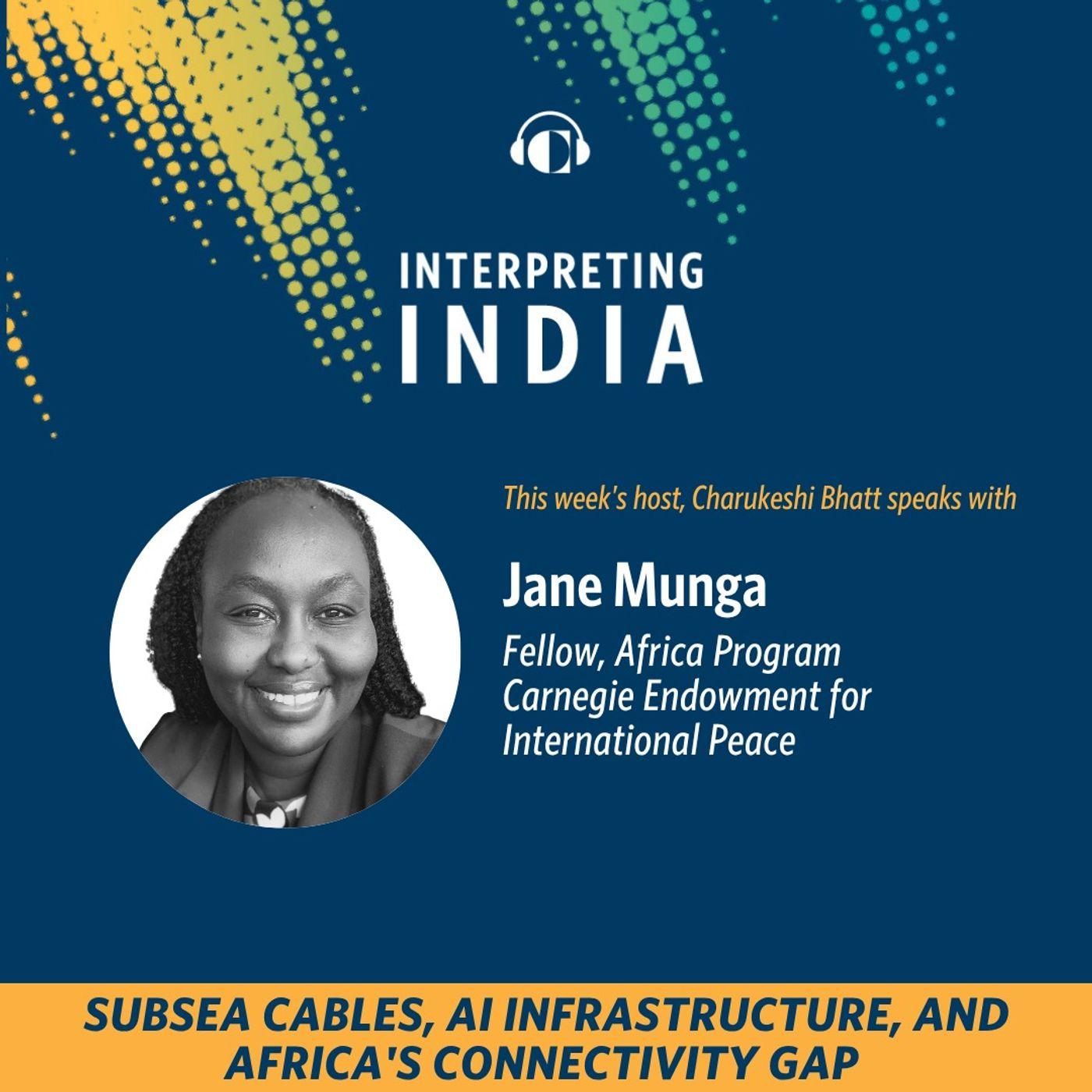
Jane opens with a framing that runs through the entire conversation: for Africa, the subsea cable story is not primarily about geopolitics. It is about connecting citizens and translating that connectivity into economic participation. Less than 40% of Africans use the internet, and while infrastruc…
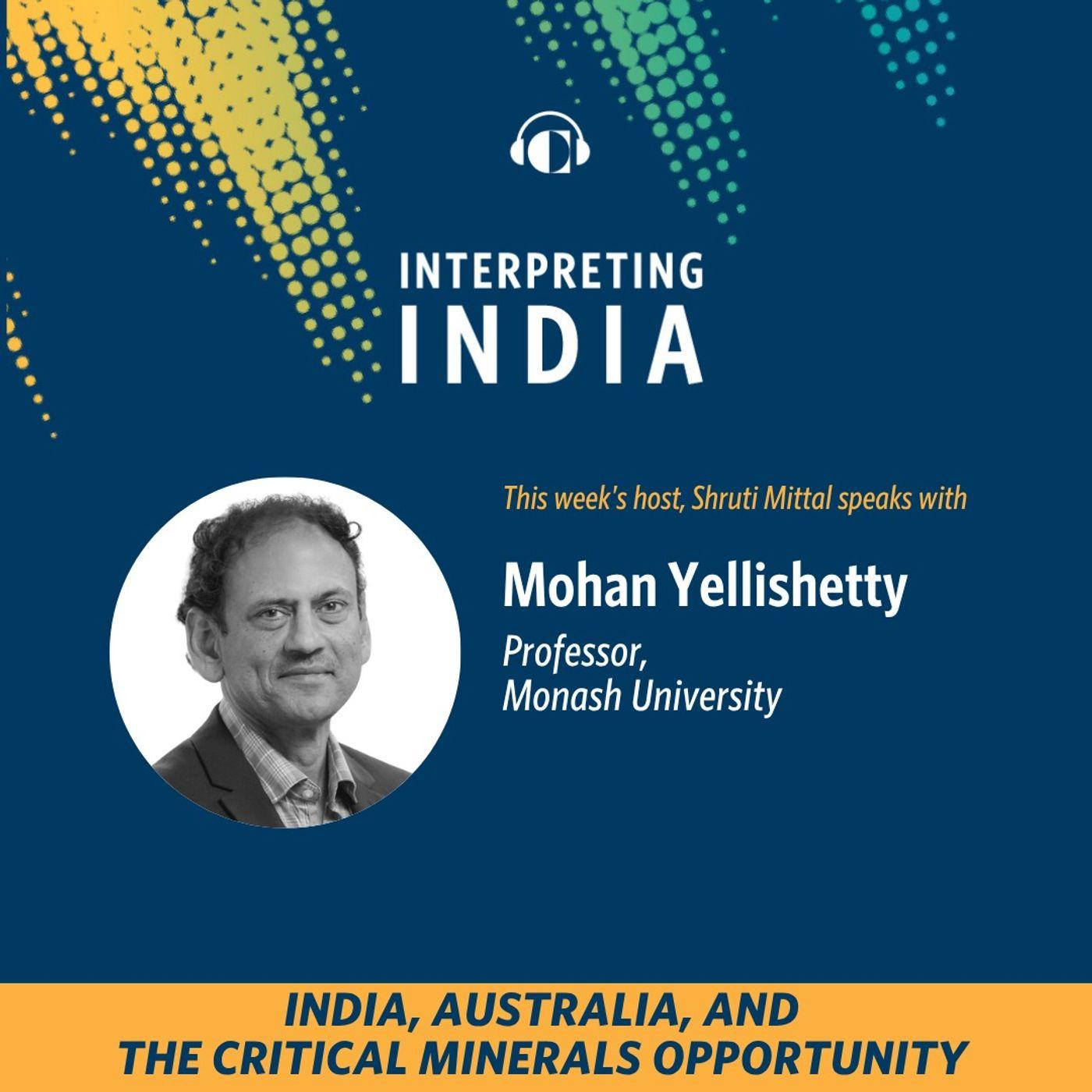
The conversation opens with a useful baseline on both countries. Australia has world-class mining equipment, technology, and services capabilities, and its mining sector contributes roughly 10 to 15 percent of GDP, yet it remains predominantly a raw material exporter with limited domestic demand. I…
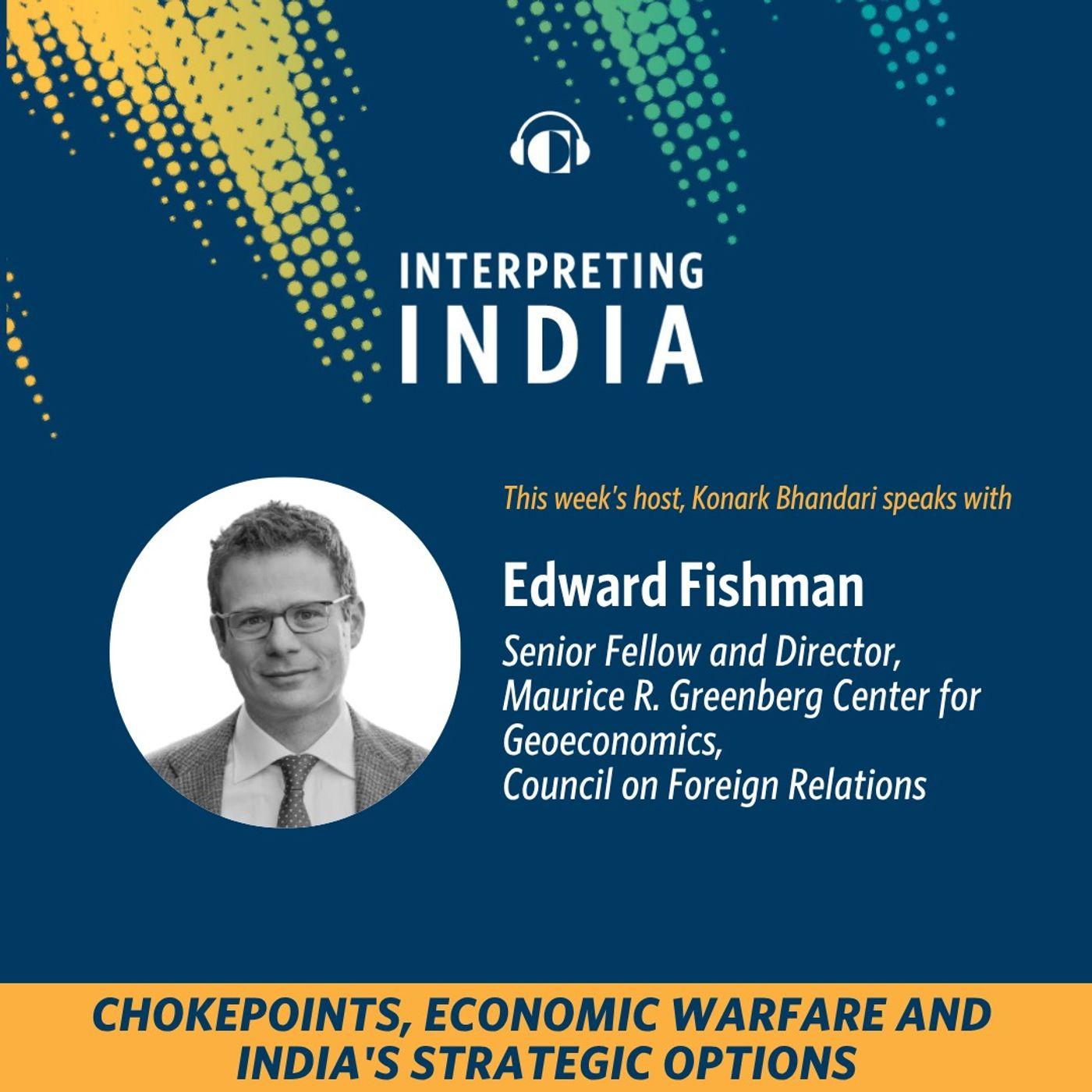
Edward lays out three criteria for what makes something a genuine choke point: dominant market share, difficulty to substitute, and the ability to weaponize it with asymmetric impact, hurting the adversary far more than yourself. All three are needed.
The U.S. dollar is involved in 90% of foreign…

This is the final episode of our special series on the India AI Impact Summit, examining the conversations, decisions, and debates that are shaping global AI governance.
This episode explores:
India has a clear North Star in Viksit Bharat 2047, but what will it actually take to get there and w…

This episode is part of our special series on the India AI Impact Summit, examining the conversations, decisions, and debates that are shaping global AI governance.
Professor Ravindran addresses early on the perception that the India summit sidelined safety. More than 60% of the summit's events an…
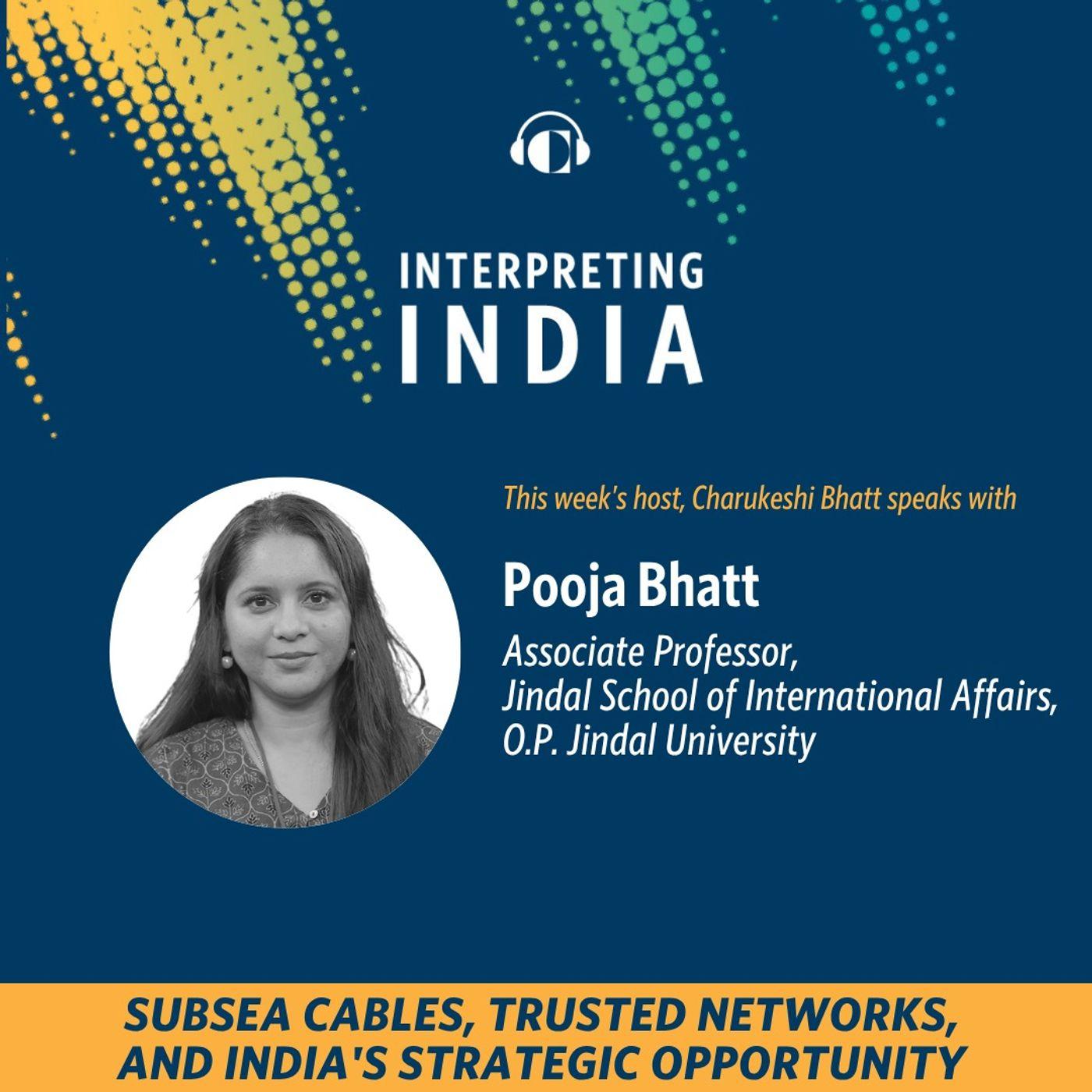
Pooja opens with a mismatch that frames the entire conversation. India consumes around 20% of global internet traffic but accounts for just 2% of global subsea cable infrastructure. Even with the expansion of landing stations currently underway, the gap between India's digital ambitions and its phy…
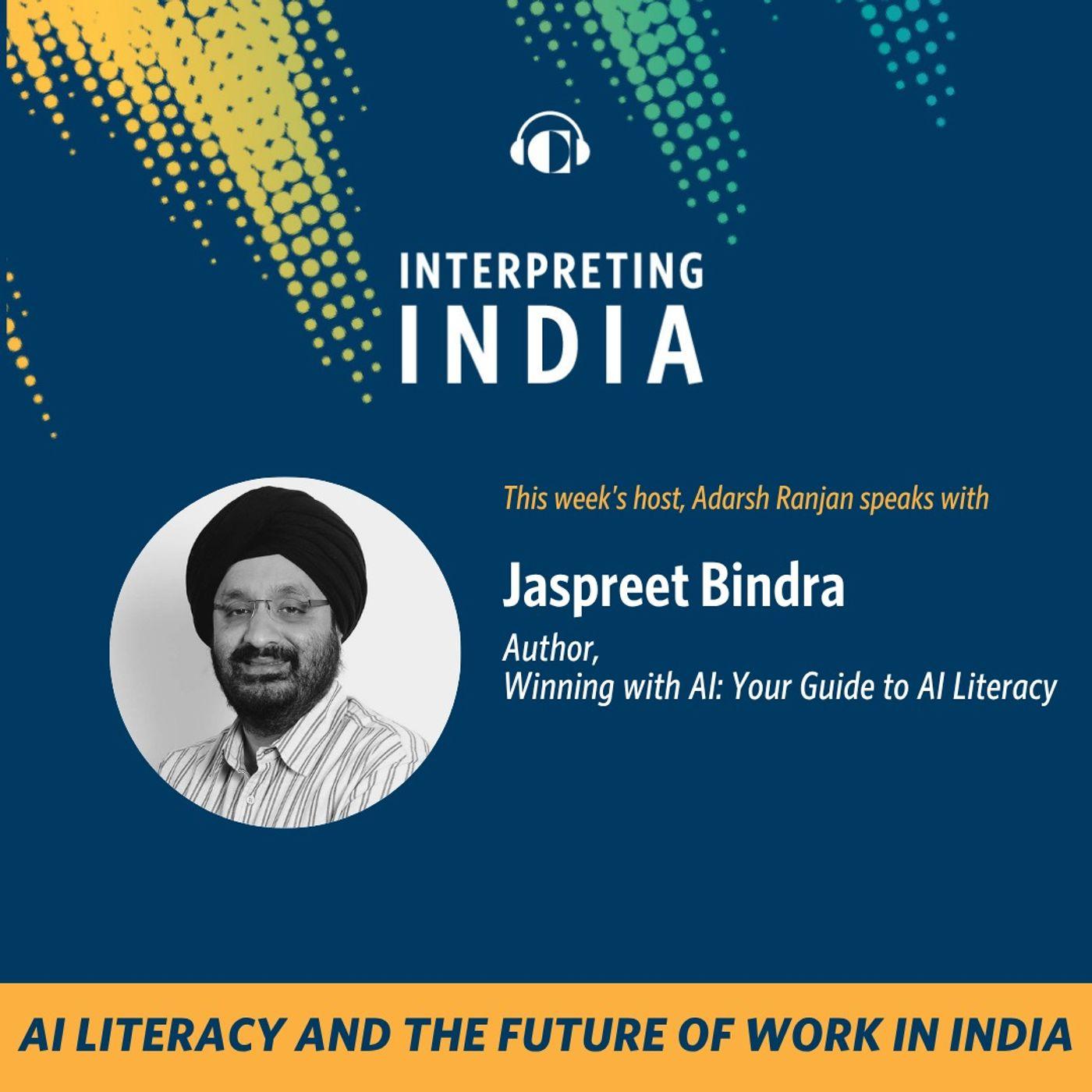
Jaspreet's framing for the AI and work debate is worth staying with. He is not dismissive of disruption: he thinks AI will destroy certain jobs, create new ones, and the rupture will be real. But he pushes back on the idea that job destruction is the right frame. The more useful question, he argues…
Disclaimer: The podcast and artwork embedded on this page are from Carnegie India, which is the property of its owner and not affiliated with or endorsed by Listen Notes, Inc.
PODCAST SEARCH ENGINE
You can use our website to search 3,839,068 podcasts and 198,335,799 episodes by people, places, or topics.

An investment in knowledge pays the best interest, so I listen to podcasts.
‐ Benjamin "Llamacorn" Franklin
SEARCH PAST EPISODES
Search past episodes of Interpreting India.
PODCAST IS CLAIMED
This podcast page is claimed and managed by
@c3814x
EDIT
Thank you for helping to keep the podcast database up to date.
