
Transitional Justice in Post-Communist Europe

An alienated society divided into groups and classes suspicious of one another does not pose an especially great problem for an authoritarian regime that does not legitimize itself through fair elections. In contrast, democratic institutions presuppose a consensus about obeying common “rules of the…
Transitional Justice in Post-Communist Europe

An alienated society divided into groups and classes suspicious of one another does not pose an especially great problem for an authoritarian regime that does not legitimize itself through fair elections. In contrast, democratic institutions presuppose a consensus about obeying common “rules of the…
Transitional Justice in Post-Communist Europe

An alienated society divided into groups and classes suspicious of one another does not pose an especially great problem for an authoritarian regime that does not legitimize itself through fair elections. In contrast, democratic institutions presuppose a consensus about obeying common “rules of the…
Transitional Justice in Post-Communist Europe

An alienated society divided into groups and classes suspicious of one another does not pose an especially great problem for an authoritarian regime that does not legitimize itself through fair elections. In contrast, democratic institutions presuppose a consensus about obeying common “rules of the…
Transitional Justice in Post-Communist Europe

An alienated society divided into groups and classes suspicious of one another does not pose an especially great problem for an authoritarian regime that does not legitimize itself through fair elections. In contrast, democratic institutions presuppose a consensus about obeying common “rules of the…
Transitional Justice in Post-Communist Europe

An alienated society divided into groups and classes suspicious of one another does not pose an especially great problem for an authoritarian regime that does not legitimize itself through fair elections. In contrast, democratic institutions presuppose a consensus about obeying common “rules of the…
Keith Gessen and Bryn Rosenfeld on How We Should Interpret Russian Public Opinion Data About the War in Ukraine
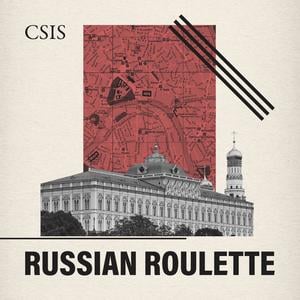
Maria spoke with journalist Keith Gessen and scholar Bryn Rosenfeld about their work trying to make sense of Russian public opinion towards the war in Ukraine, and what it means for our understanding of Russian society today.
محرك بحث البودكاست
يمكنك استخدام موقعنا الإلكتروني للبحث في ملفات podcast3,821,058وحلقات195,323,021حسب الأشخاص أو الأماكن أو المواضيع.

الاستثمار في المعرفة يحقق أفضل عائد، ولذلك أستمع إلى البودكاست.
‐ Benjamin "Llamacorn" Franklin
تعديل
شكراً على مساعدتنا في الحفاظ على قاعدة بيانات البودكاست مُحدَّثة.
